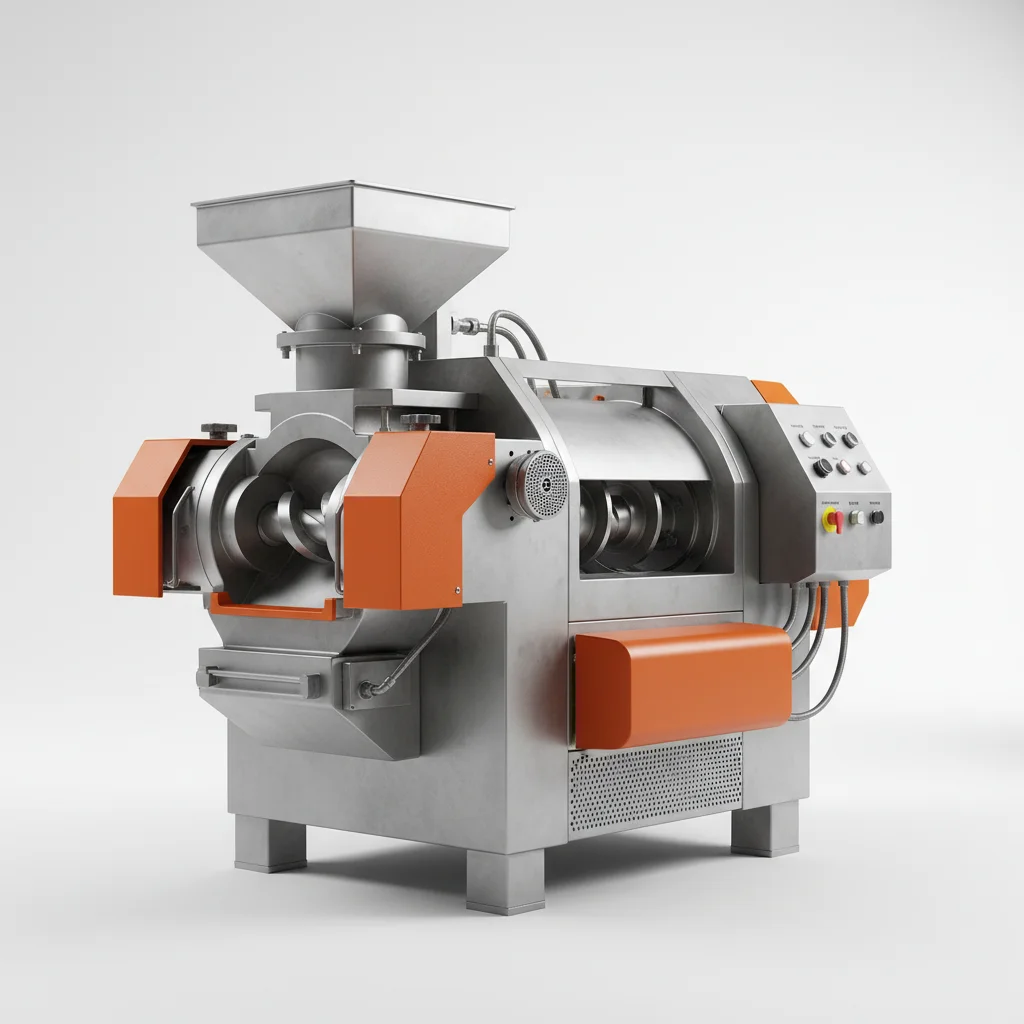
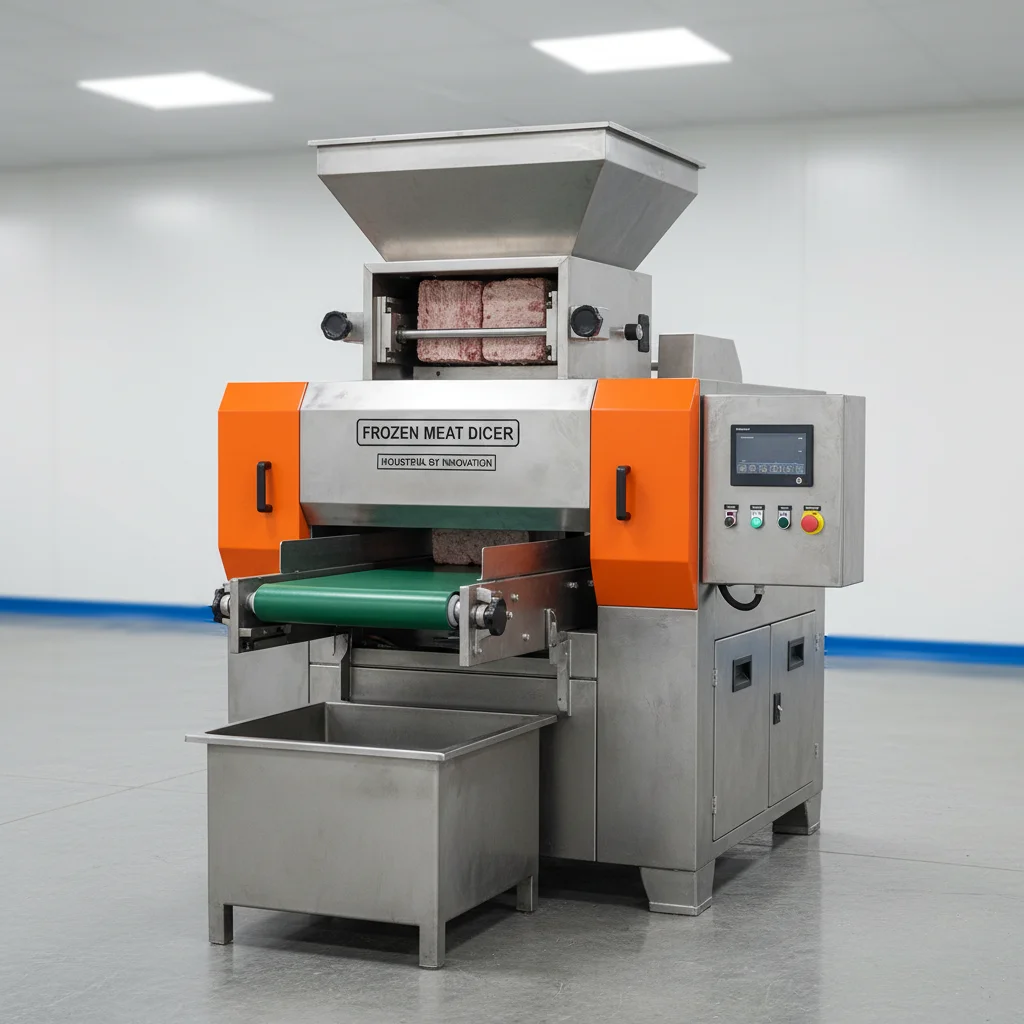
-
 Email: kemaisi17710570236@gmail.com
-
 Tel: +86 18031173072
Email: kemaisi17710570236@gmail.com
Tel: +86 18031173072
March 12, 2026
The sausage industry is experiencing steady growth globally, fueled by increasing demand for convenient and flavorful protein sources. Efficient and reliable sausage manufacturing equipment is crucial for businesses looking to scale production, maintain product quality, and remain competitive. This article will delve into the essential components of a sausage production line, explore different types of equipment, and highlight factors to consider when making purchasing decisions. Whether you're a small-scale artisan producer or a large-scale commercial operation, understanding the nuances of sausage making equipment is vital for success.
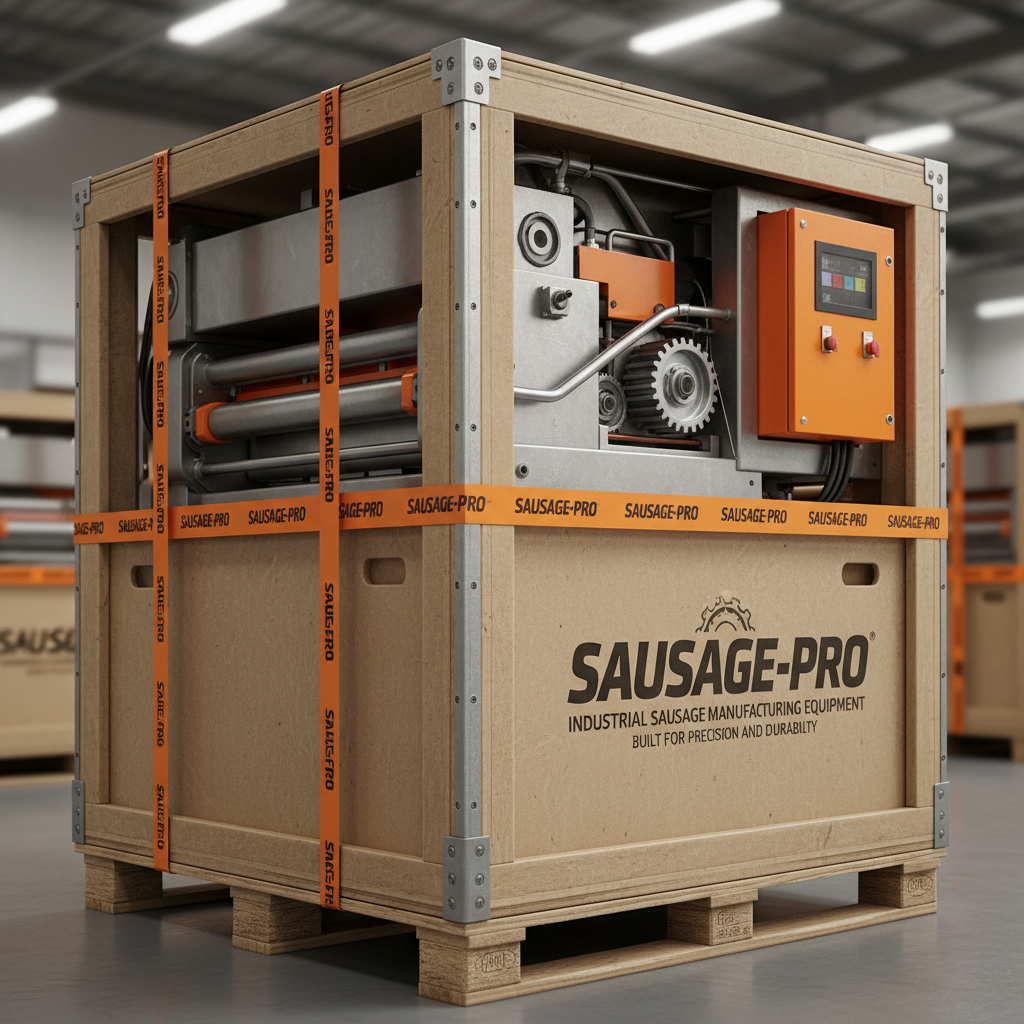
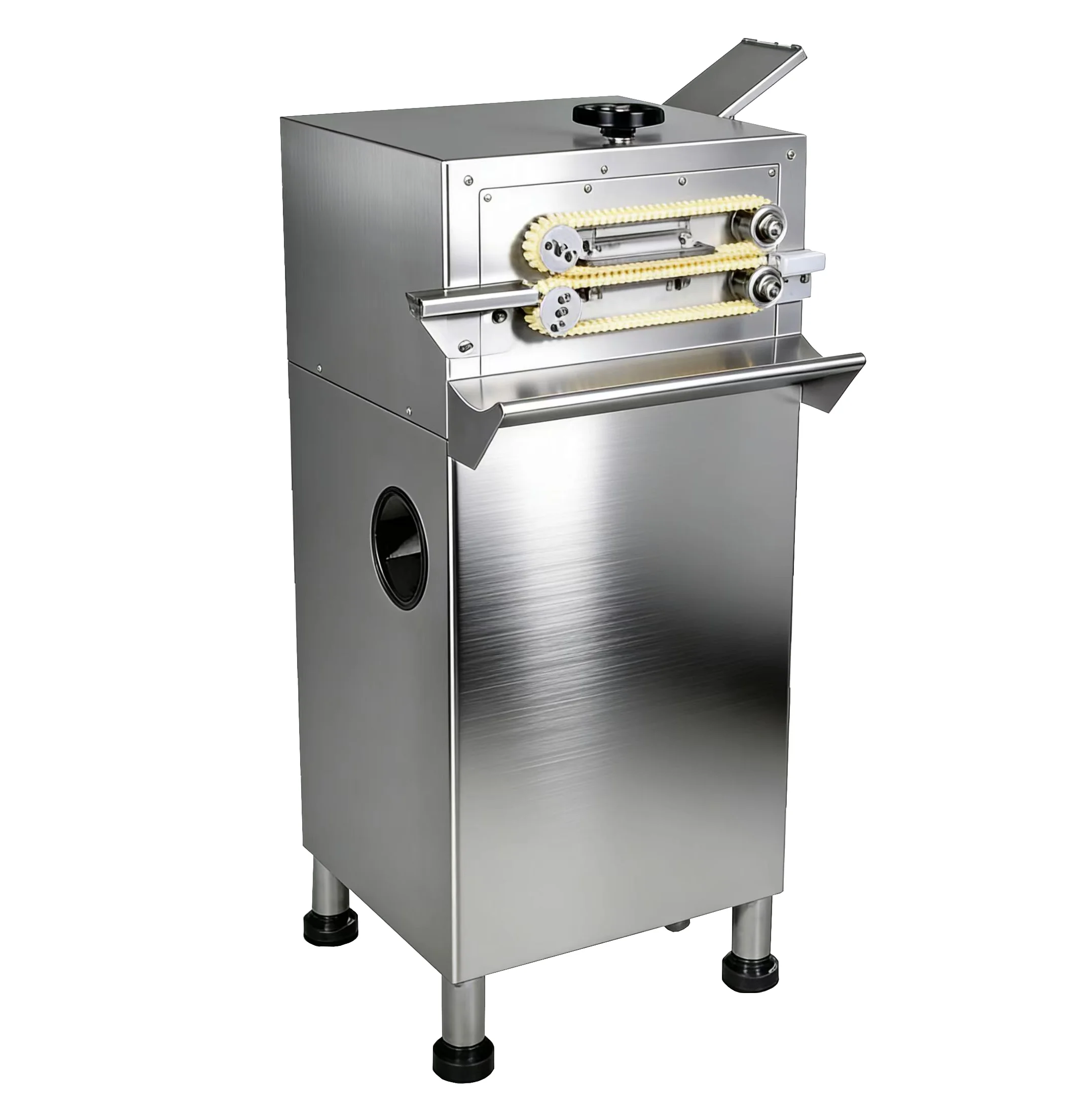
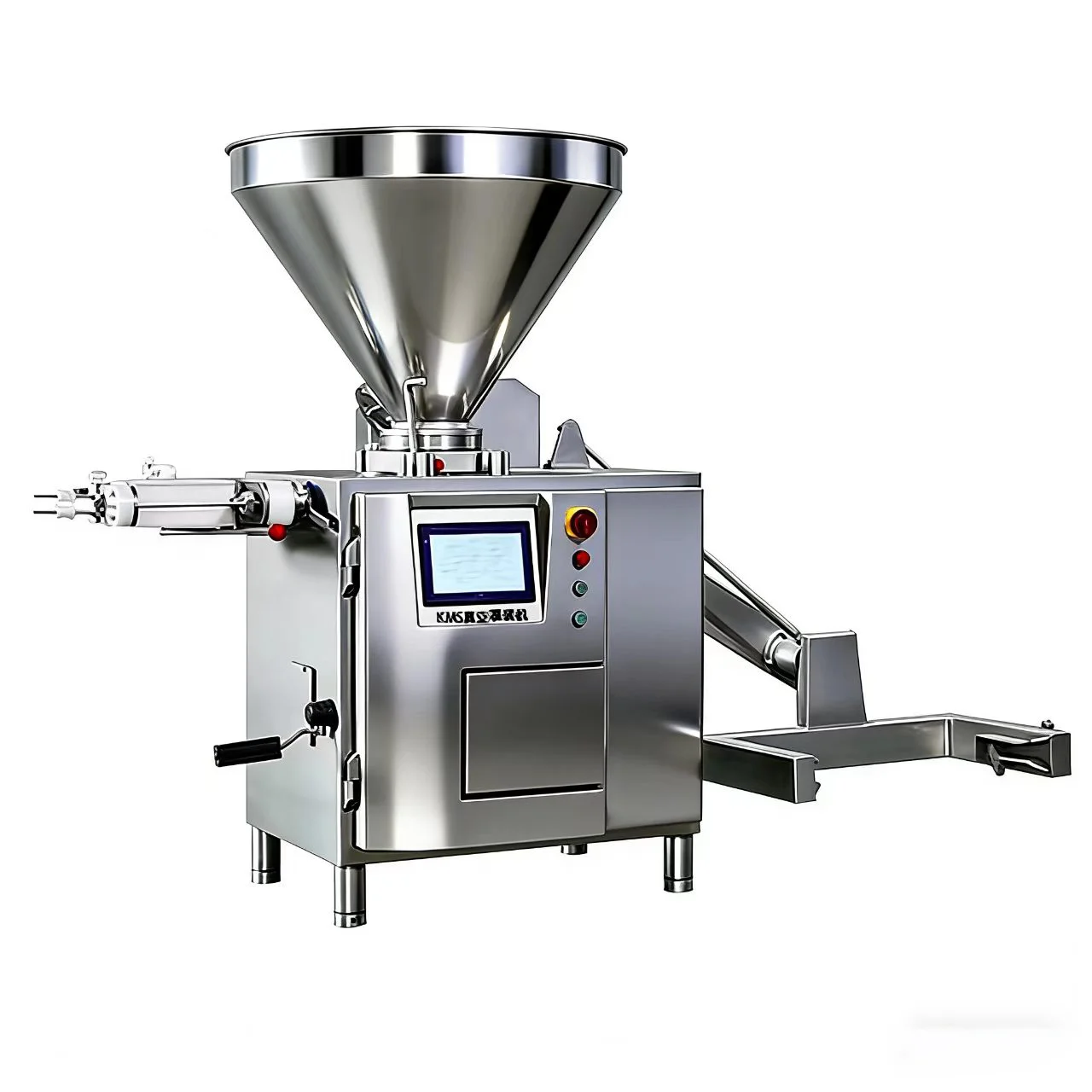
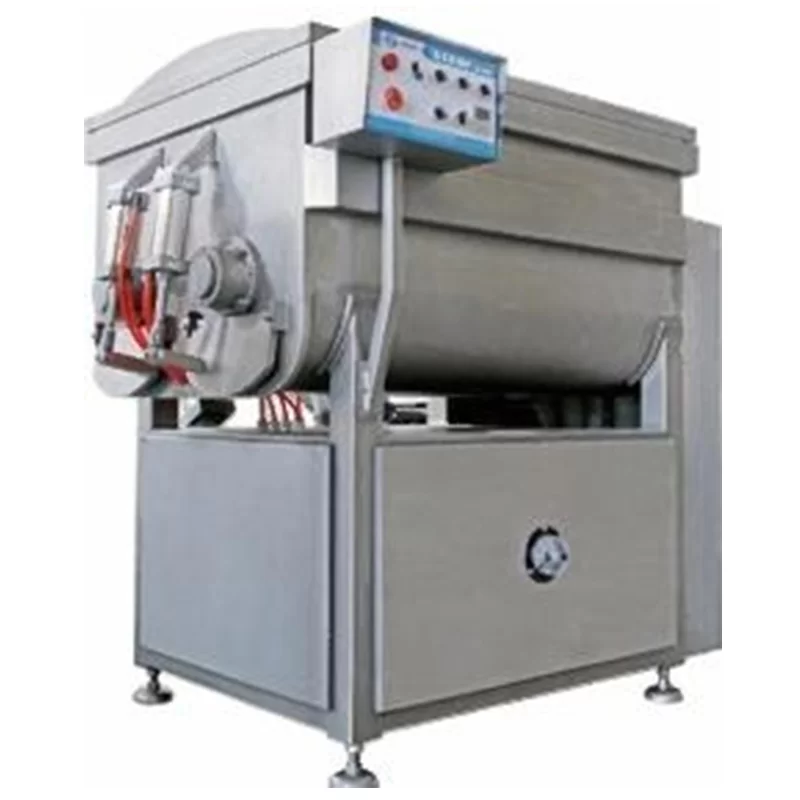
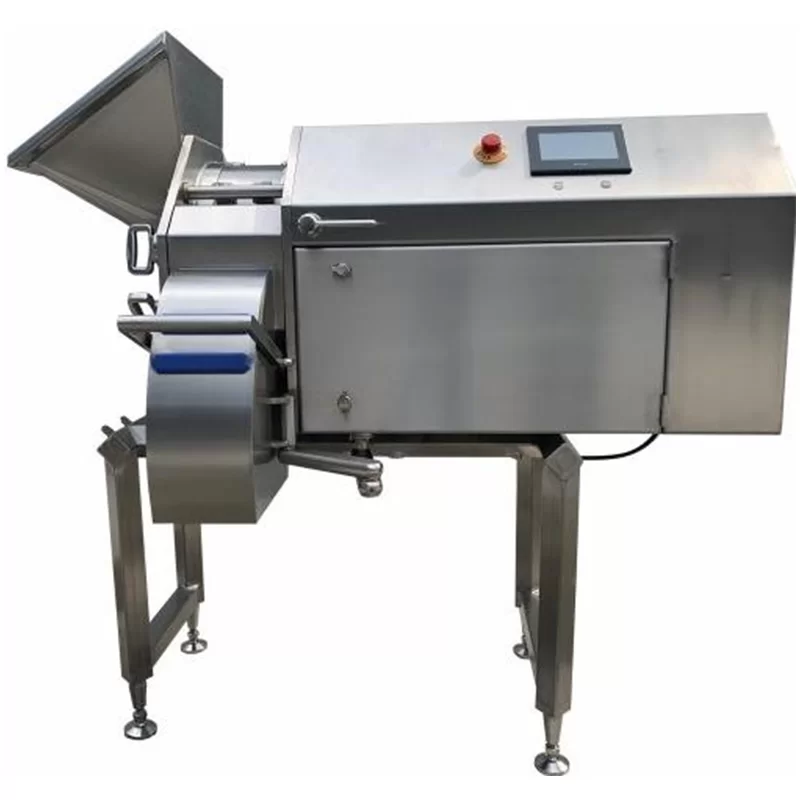
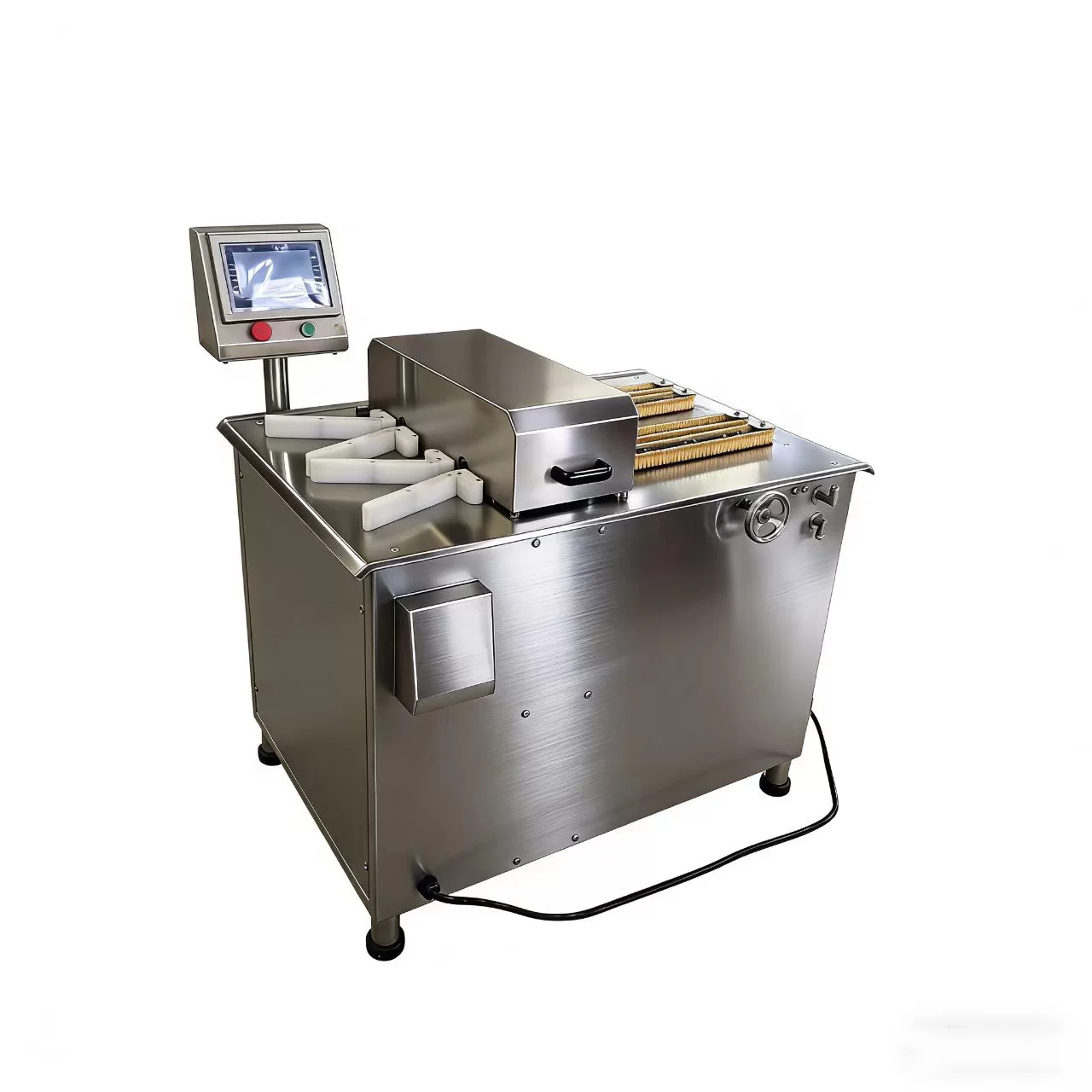
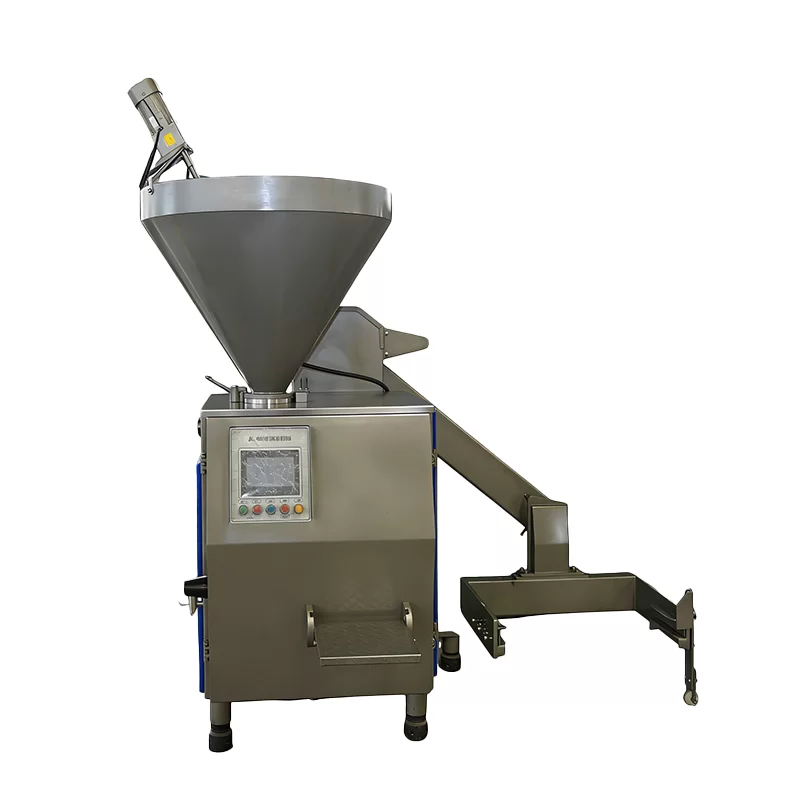
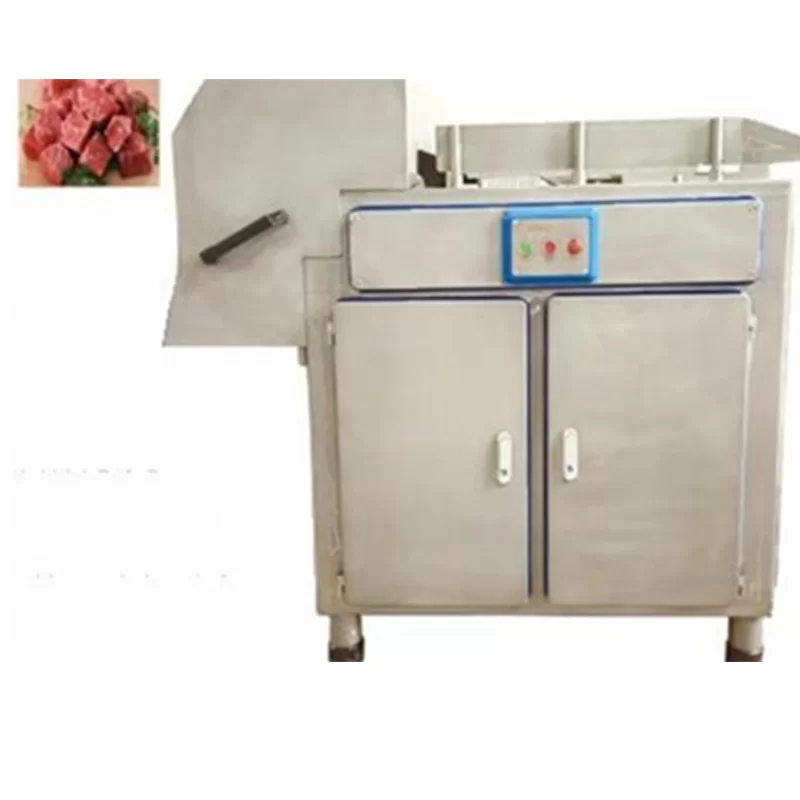
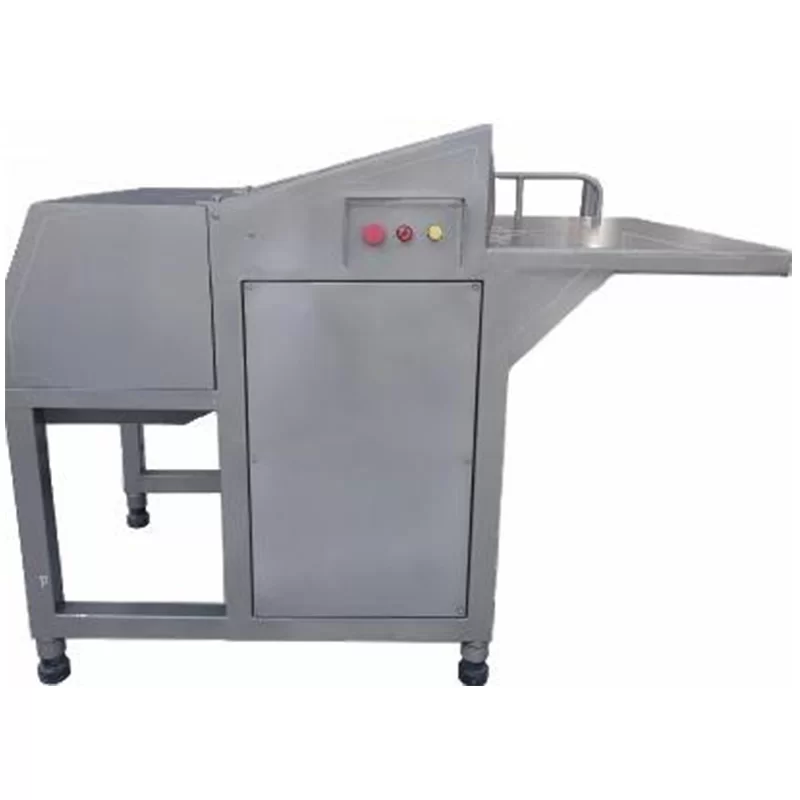
A complete sausage manufacturing line typically includes several key pieces of equipment. These range from meat grinding and mixing to filling, linking, and cooking. Investing in high-quality equipment ensures efficient operation, consistent product quality, and adherence to food safety standards. The specific equipment needed will depend on the type of sausage being produced (fresh, cooked, smoked, dried) and the production volume. Core components include meat grinders, mixers, fillers, clippers (linkers), smokers, and packaging machines. Proper maintenance and cleaning of these machines are paramount for both product safety and longevity of the equipment.
Key Highlights: Investing in high-quality sausage manufacturing equipment ensures efficient operation, consistent product quality, and adherence to food safety standards.
The sausage manufacturing process, while seemingly straightforward, involves several intricate steps. First, raw meat is ground to the desired consistency. Then, it's thoroughly mixed with spices, seasonings, curing agents, and binders. Next, the mixture is stuffed into casings (natural or synthetic) using a sausage filler. Following stuffing, the sausages are typically linked using a clipper. Finally, depending on the type of sausage, they are cooked, smoked, or dried. Each stage requires specialized equipment and careful control to achieve optimal results. Automation plays an increasing role in modern sausage production, improving efficiency and reducing labor costs.
Process Overview:
• Grinding: Preparing the meat to the desired texture.
• Mixing: Combining meat with spices and seasonings.
• Filling: Stuffing the mixture into casings.
• Linking: Creating individual sausage links.
• Cooking/Smoking/Drying: Preserving and flavoring the sausage.
Selecting the right equipment involves considering various factors, including production volume, budget, and the type of sausage produced. Here’s a comparison of different types of grinders, mixers, and fillers to help you make informed decisions. Investing in versatile equipment can offer flexibility and adaptability for future product diversification. Contacting a reputable supplier like Hamkms for expert guidance is highly recommended.
Several factors should influence your equipment purchasing decisions. Production volume is paramount – a small-scale operation won't need the same capacity as a large commercial facility. Budget is also critical; balance initial investment costs with long-term operating expenses. Food safety and hygiene are non-negotiable – ensure all equipment is made from food-grade materials and easy to clean. Finally, consider the availability of spare parts and maintenance support. Choosing a reputable supplier with a strong service network is essential for minimizing downtime and maximizing equipment lifespan.
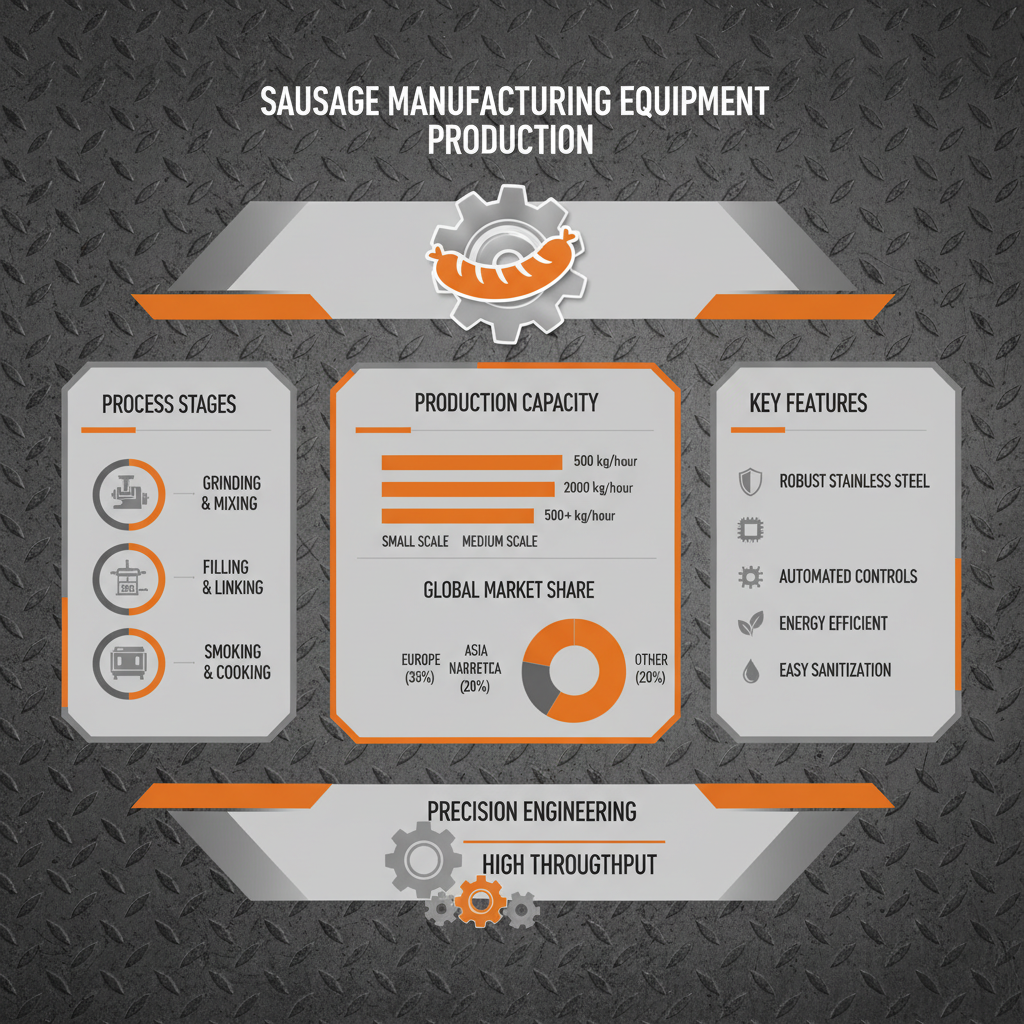
Regular maintenance and sanitation are vital for ensuring food safety, extending equipment lifespan, and maximizing efficiency. Implement a preventative maintenance schedule that includes lubrication, inspection, and replacement of worn parts. Thorough cleaning after each use is essential to prevent bacterial growth and contamination. Utilize appropriate cleaning agents and disinfectants, and follow the manufacturer’s instructions carefully. Training staff on proper cleaning and maintenance procedures is critical for maintaining a safe and hygienic production environment. Hamkms provides comprehensive maintenance and support services to help you keep your equipment running smoothly.
Investing in the right sausage manufacturing equipment is a strategic decision that can significantly impact your business's success. By carefully considering your production needs, budget, and long-term goals, you can select equipment that optimizes efficiency, ensures product quality, and maintains food safety standards. Don't hesitate to consult with experts and explore available options to find the best solutions for your specific requirements.
The lifespan varies depending on the type of equipment, usage frequency, and maintenance practices. Generally, well-maintained grinders, mixers, and fillers can last 10-20 years. However, components like motors, blades, and belts will require periodic replacement. Regular inspections and preventative maintenance are crucial for maximizing equipment lifespan. Investing in higher-quality equipment from reputable manufacturers often results in a longer lifespan and reduced downtime.
Safety is paramount. Look for features like emergency stop buttons, safety guards on moving parts, and overload protection. Equipment should be constructed from food-grade materials and designed for easy cleaning and sanitation. Proper grounding and electrical safety features are also essential. Ensure all equipment meets relevant safety standards and regulations. Training staff on safe operating procedures is equally important.
The grinder size depends on your production volume and the type of sausage you’re making. Calculate the amount of meat you need to grind per hour. Consider the particle size you require – finer grinds require more powerful grinders. It’s generally better to slightly overestimate your needs than to underestimate, as an undersized grinder will struggle to keep up with demand and may overheat. Consult with an equipment supplier to determine the appropriate size for your specific application.
If you are interested in our products, you can choose to leave your information here, and we will be in touch with you shortly.