-
 Email: kemaisi17710570236@gmail.com
-
 Tel: +86 18031173072
Email: kemaisi17710570236@gmail.com
Tel: +86 18031173072
March 17, 2026
The demand for high-quality sausage continues to grow globally, driving the need for efficient and reliable sausage production equipment. From small-scale artisanal producers to large industrial operations, choosing the right machinery is crucial for maximizing output, maintaining food safety standards, and achieving consistent product quality. This article provides an in-depth look at the key equipment involved in sausage production, considerations for selecting manufacturers, and the latest advancements in the field. Investing in the correct equipment is essential for success in this competitive market.
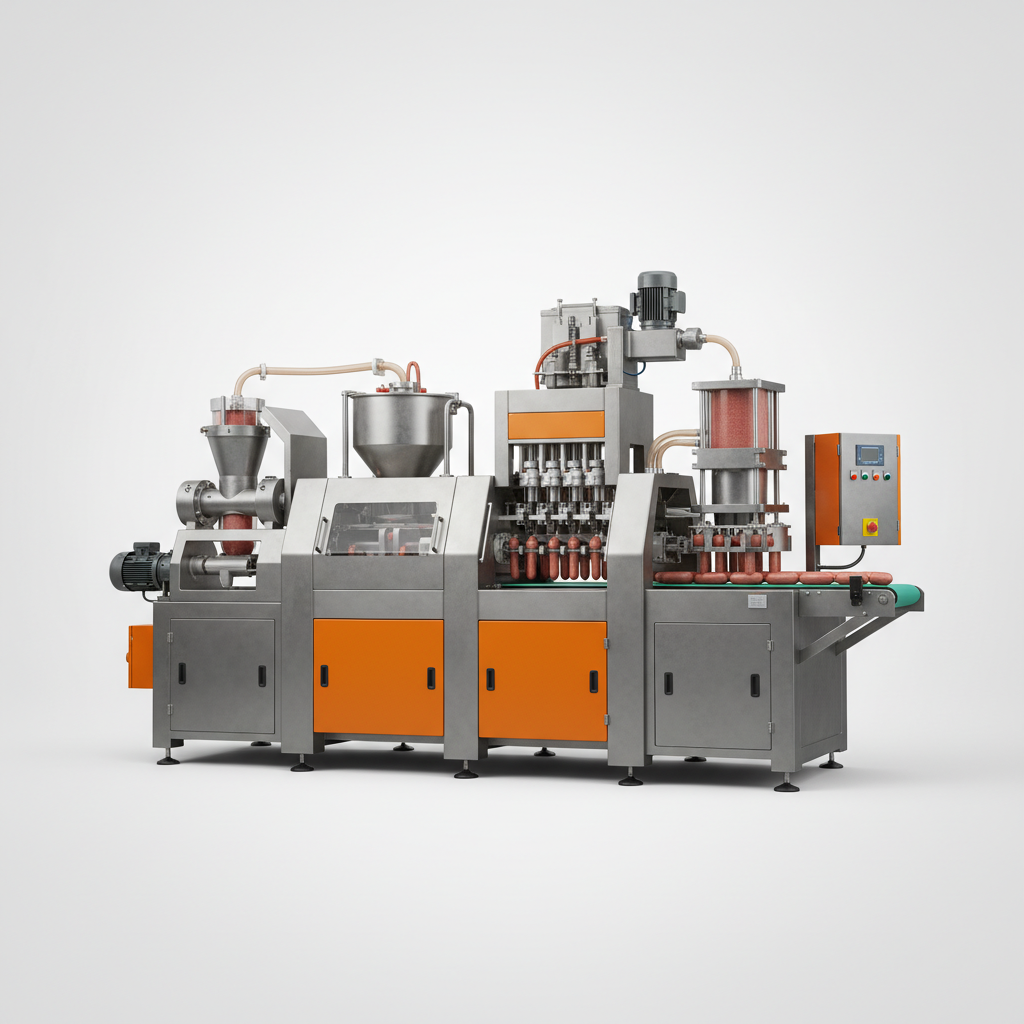
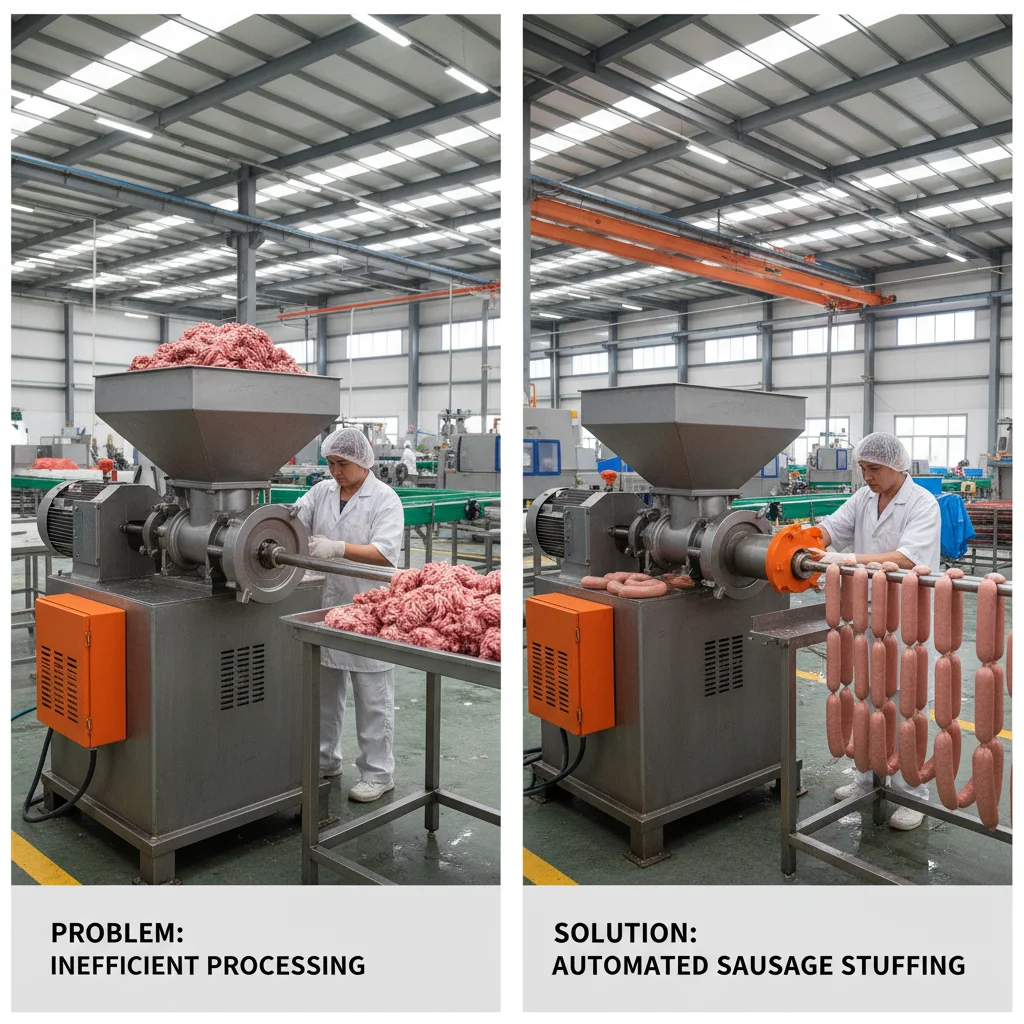
Sausage production encompasses several distinct stages, each requiring specialized equipment. These stages typically include grinding, mixing & emulsifying, filling, linking, clipping, and often smoking/cooking. Efficiently managing these steps is key to maintaining productivity and achieving optimal results. The quality of the raw materials and the precision of the equipment directly impact the final product's texture, flavor, and shelf life. Modern sausage production equipment is designed to automate and streamline these processes, reducing labor costs and improving consistency.
Key Stages: Grinding, Mixing & Emulsifying, Filling, Linking, Clipping, Smoking/Cooking.
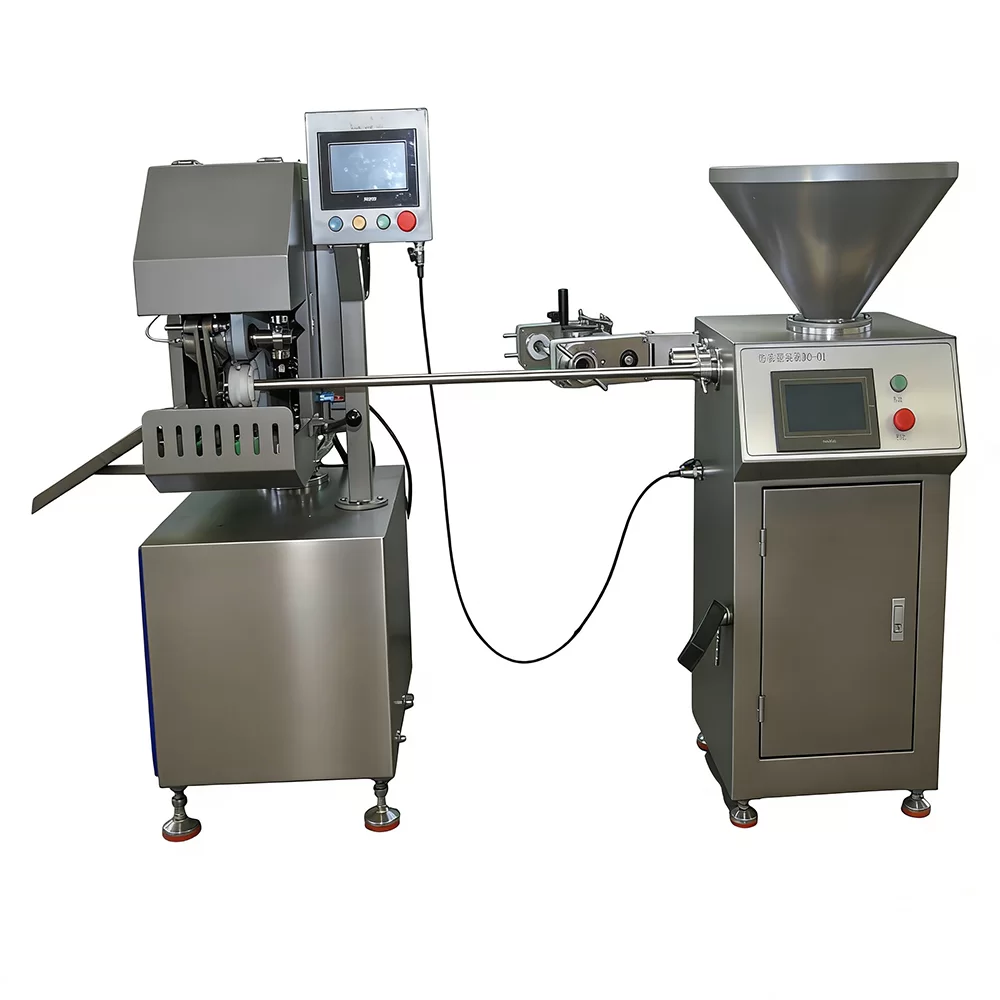
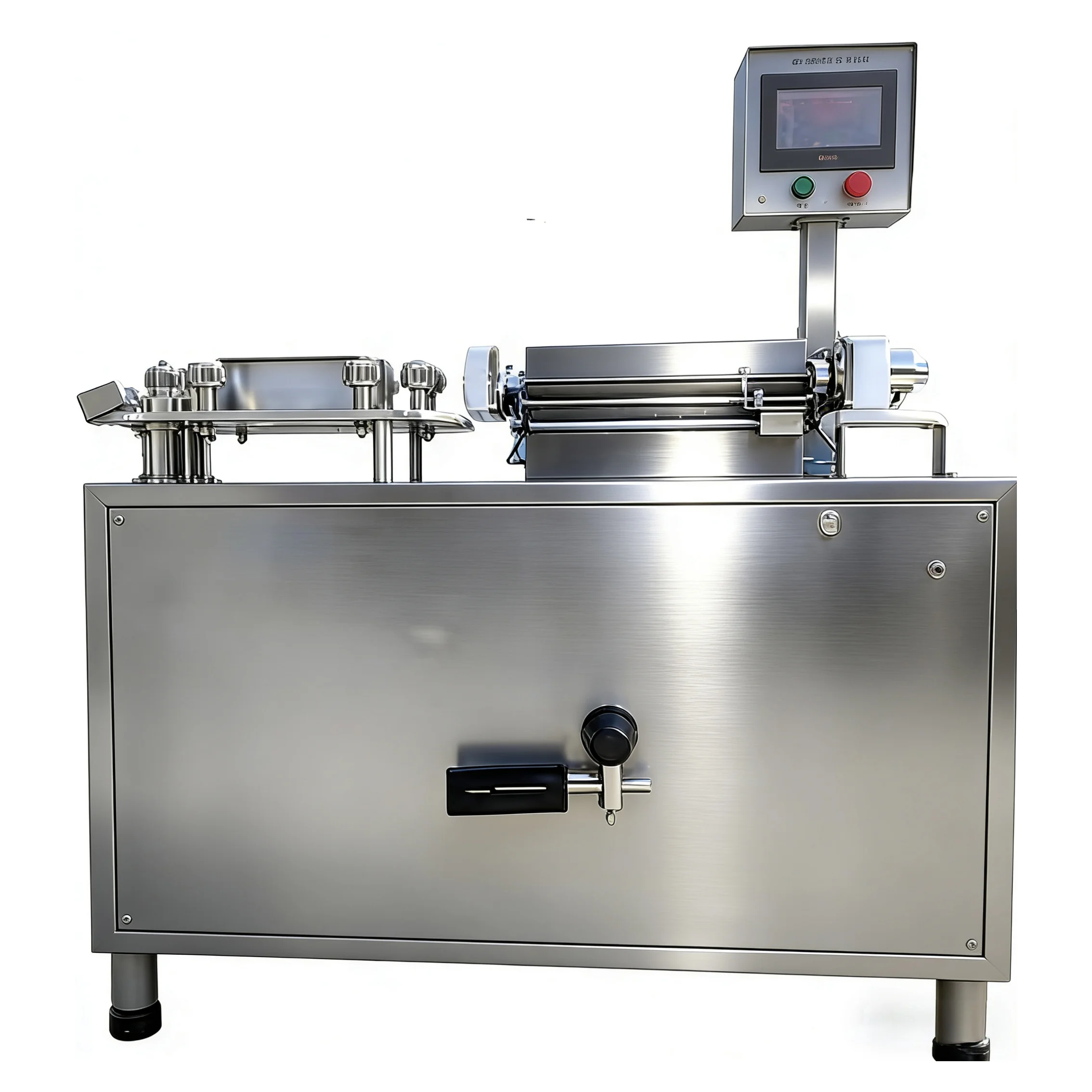
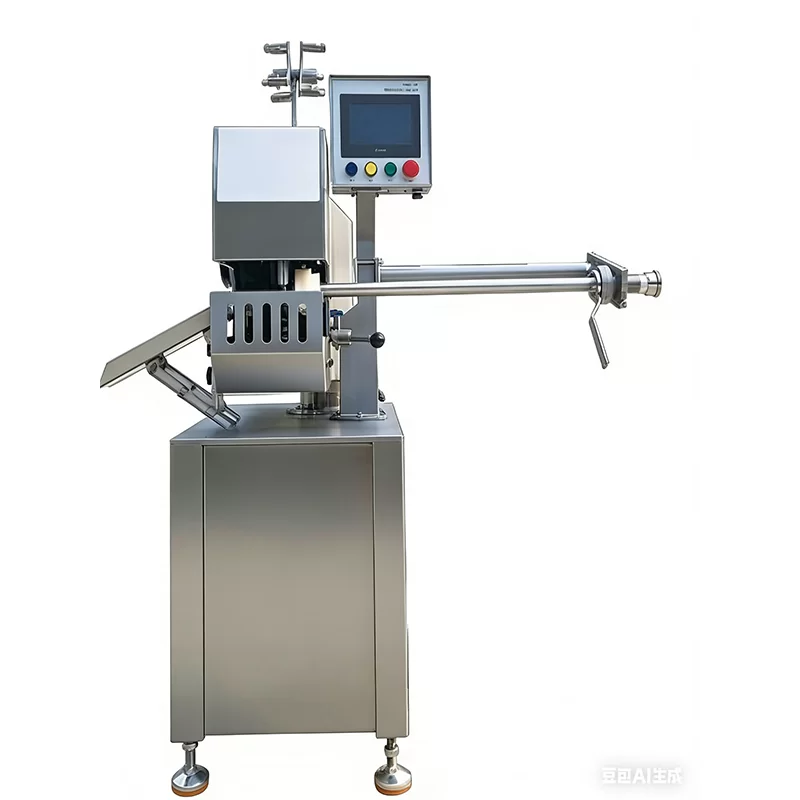
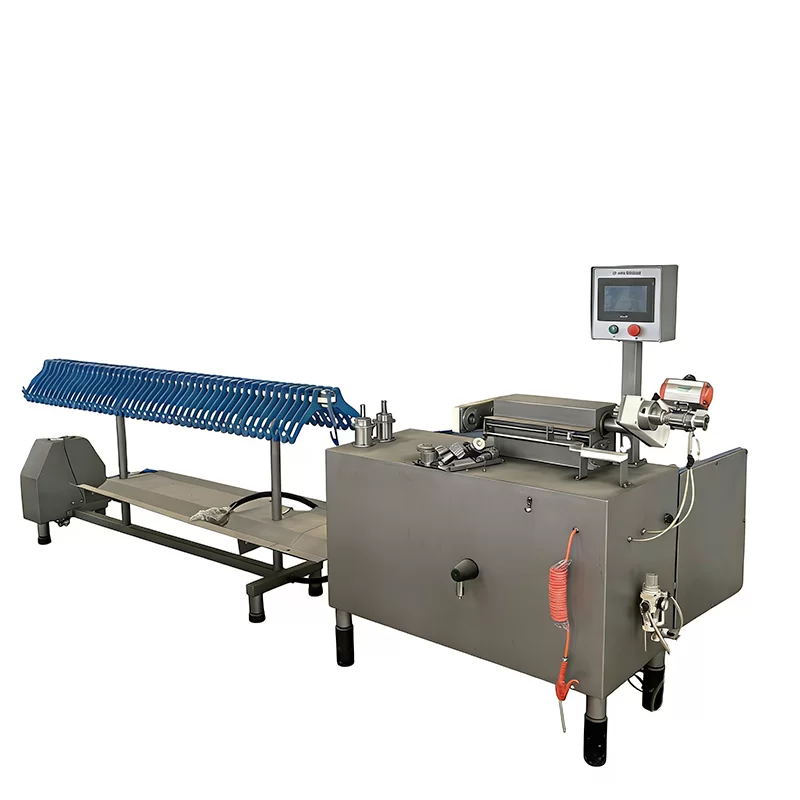
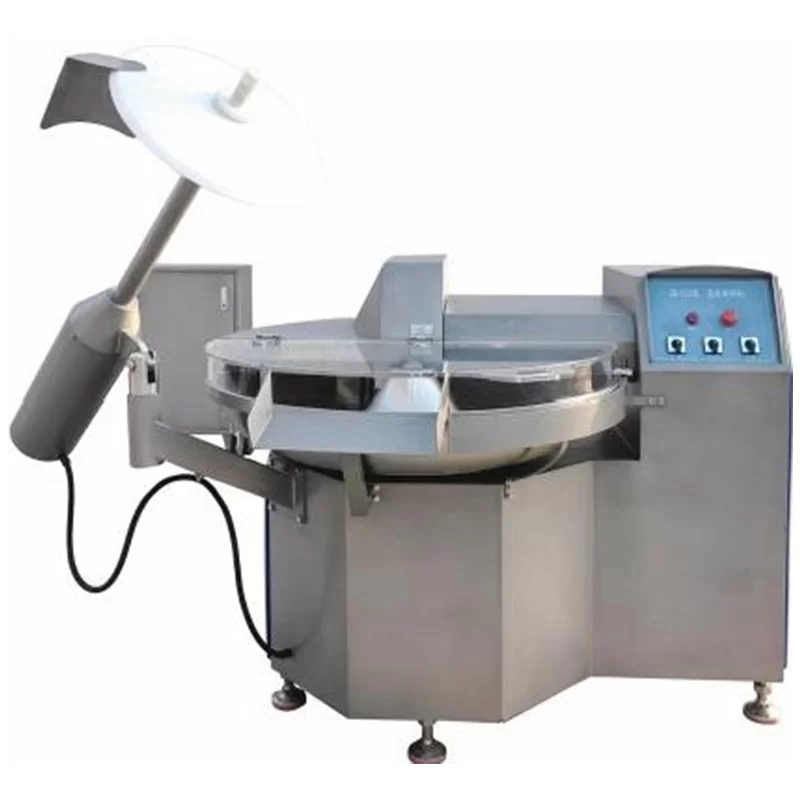
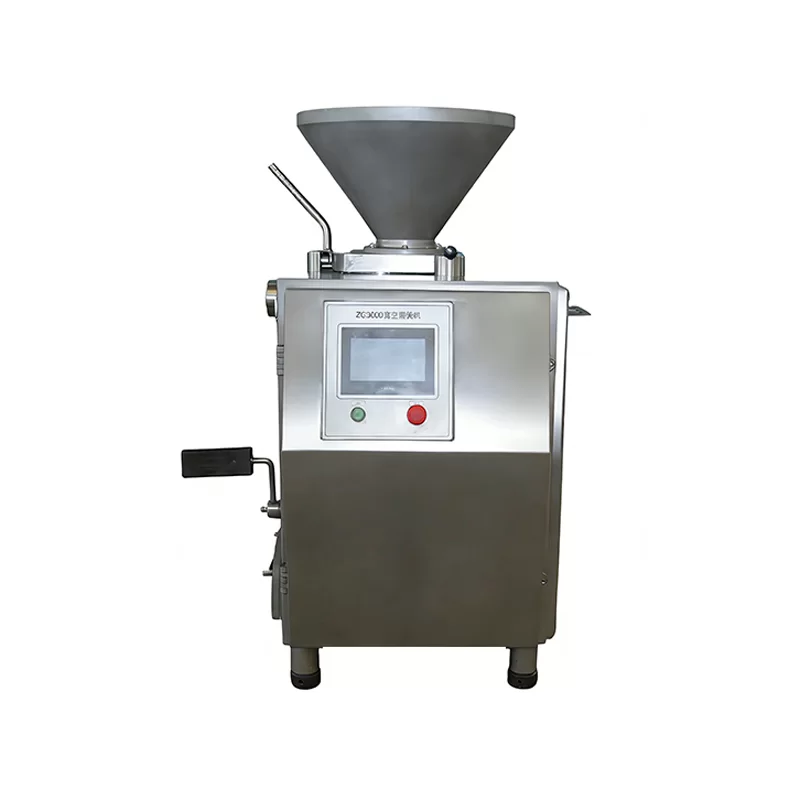
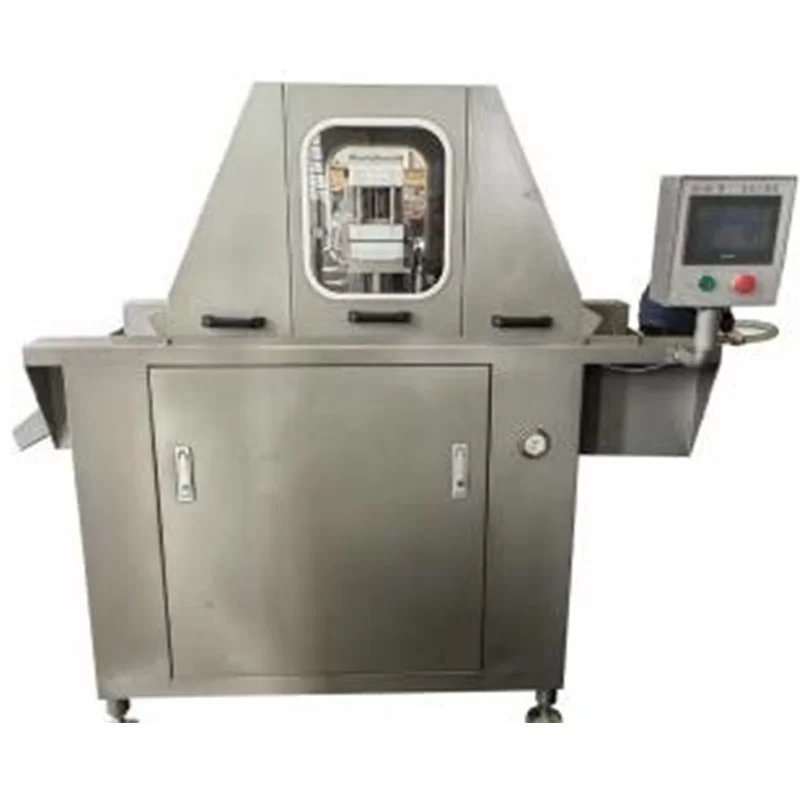
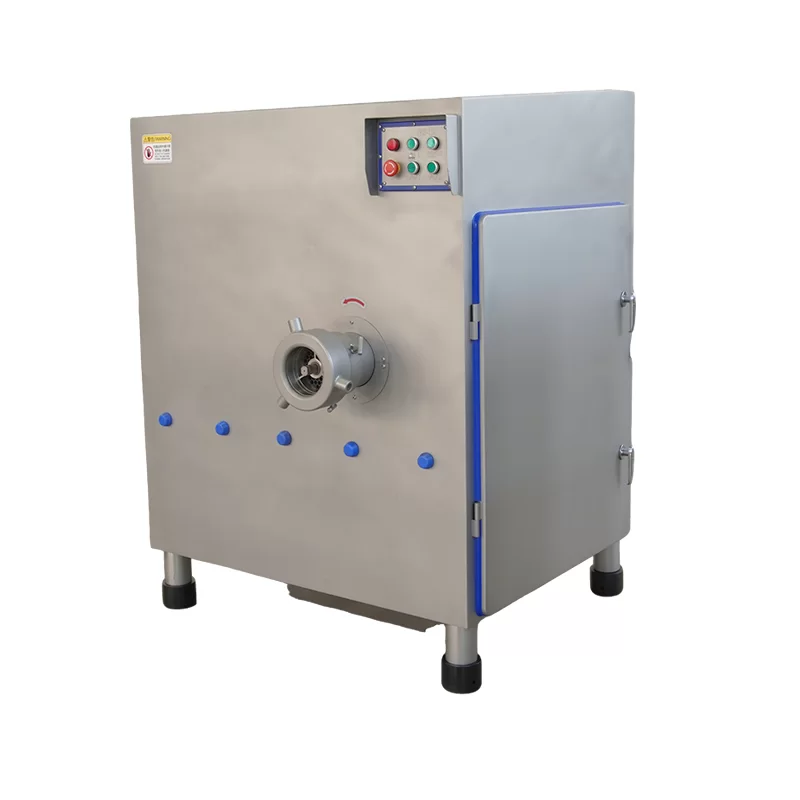
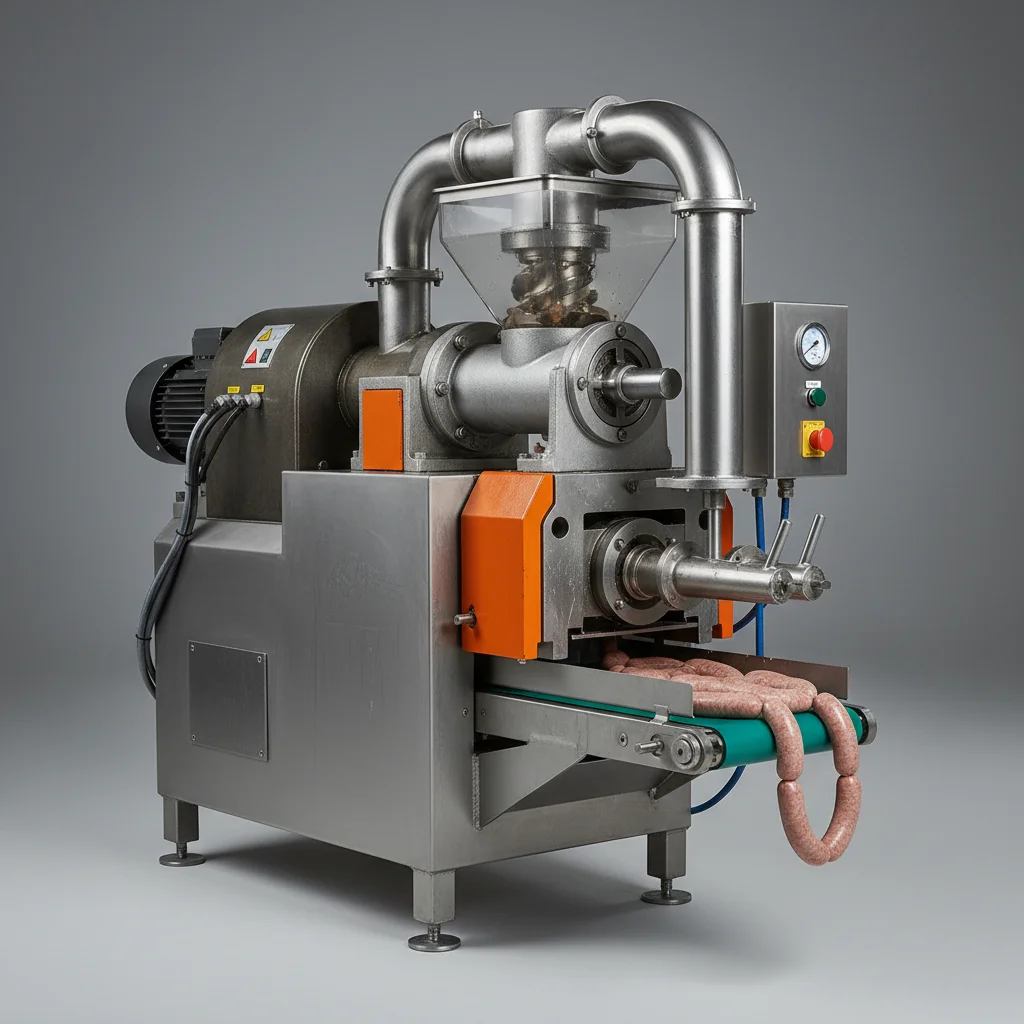
Several pieces of equipment are fundamental to sausage production. These include meat grinders (to reduce meat to the desired consistency), mixers & emulsifiers (to blend meat with spices and binders), sausage fillers (to stuff the mixture into casings), linking machines (to create individual sausages), and clipping machines (to seal the ends of the sausages). Additionally, smoking/cooking equipment is essential for certain types of sausage. Selecting the right equipment depends on the volume of production, the types of sausages being made, and budgetary constraints. Hamkms specializes in providing comprehensive solutions for all these needs.
Essential Equipment Overview:
• Meat Grinders: Reduce meat to the desired consistency.
• Mixers & Emulsifiers: Blend meat, spices, and binders.
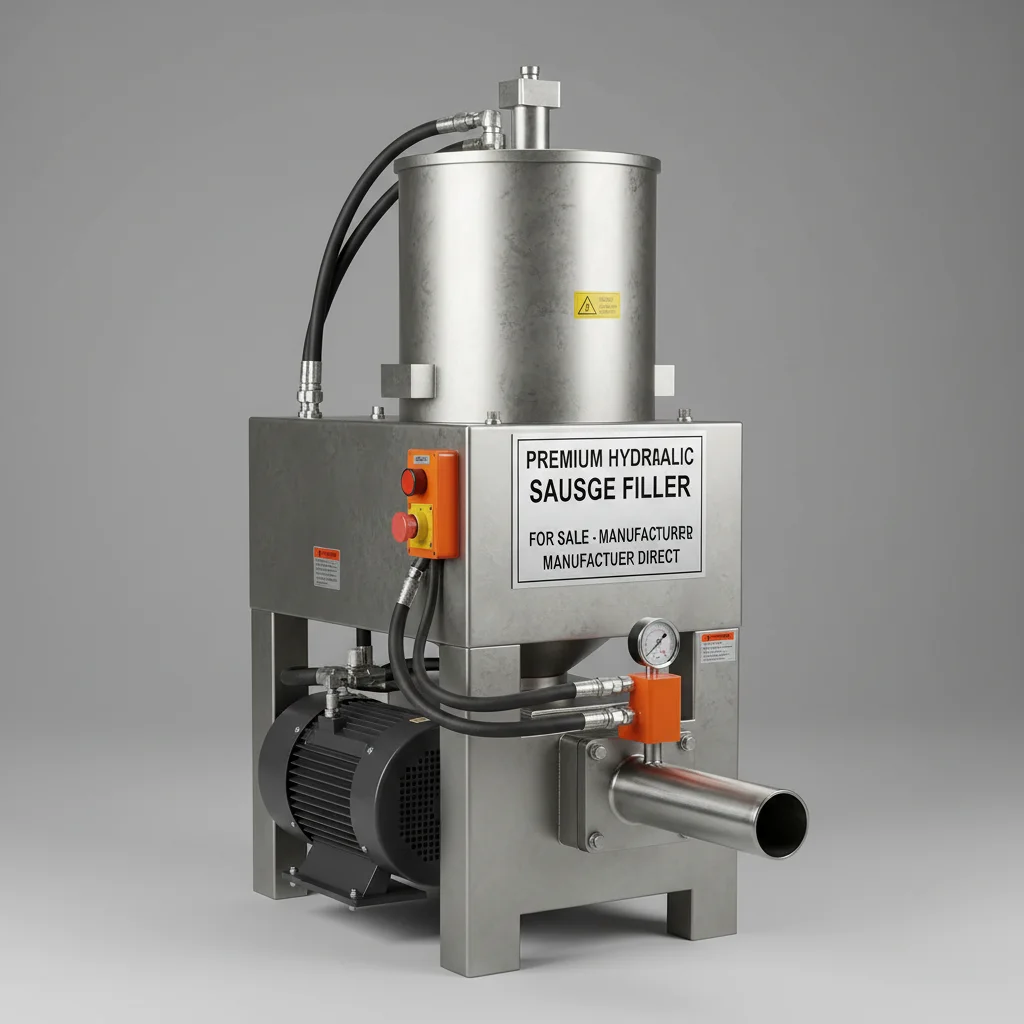
• Sausage Fillers: Stuff mixture into casings.
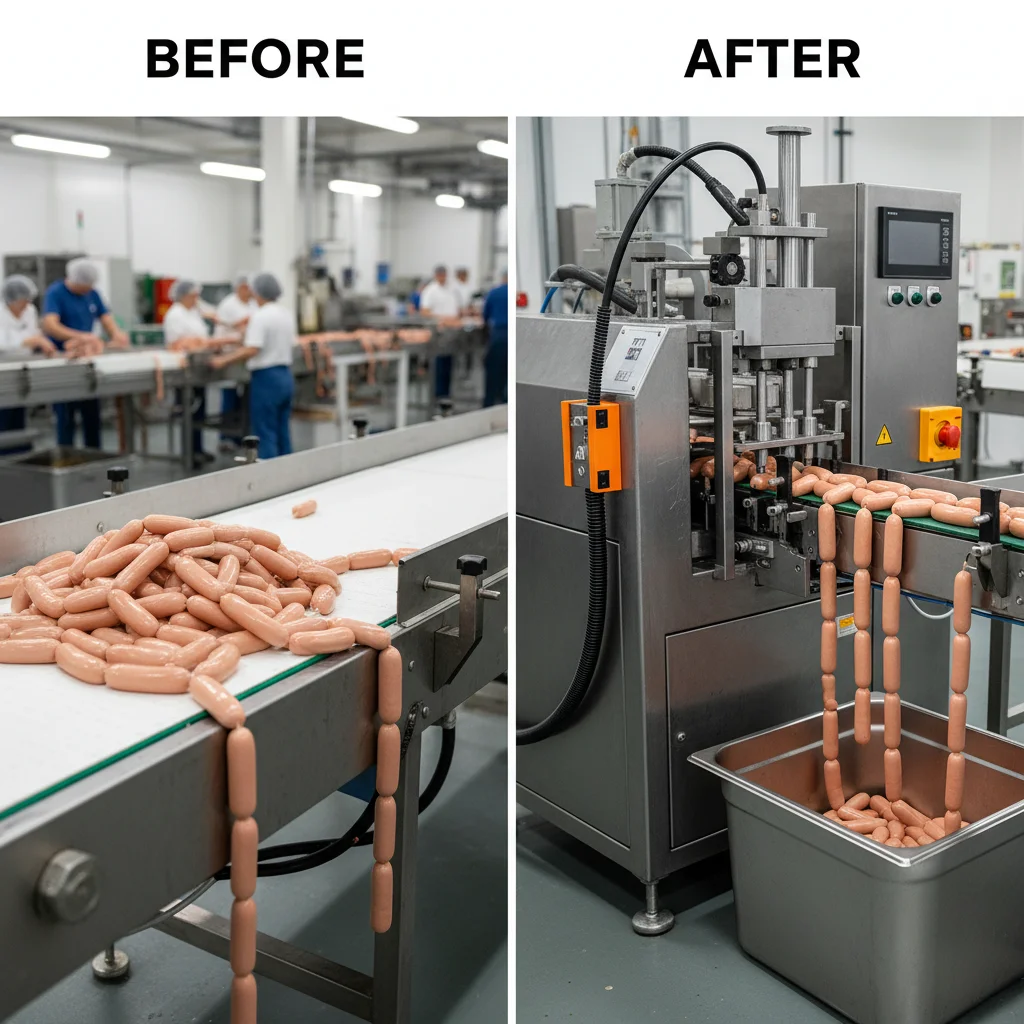
• Linking & Clipping Machines: Form and seal sausages.
Choosing between different types of sausage production equipment can be challenging. Factors such as capacity, automation level, and price point all play a role. Here's a comparative overview of different grinder types:
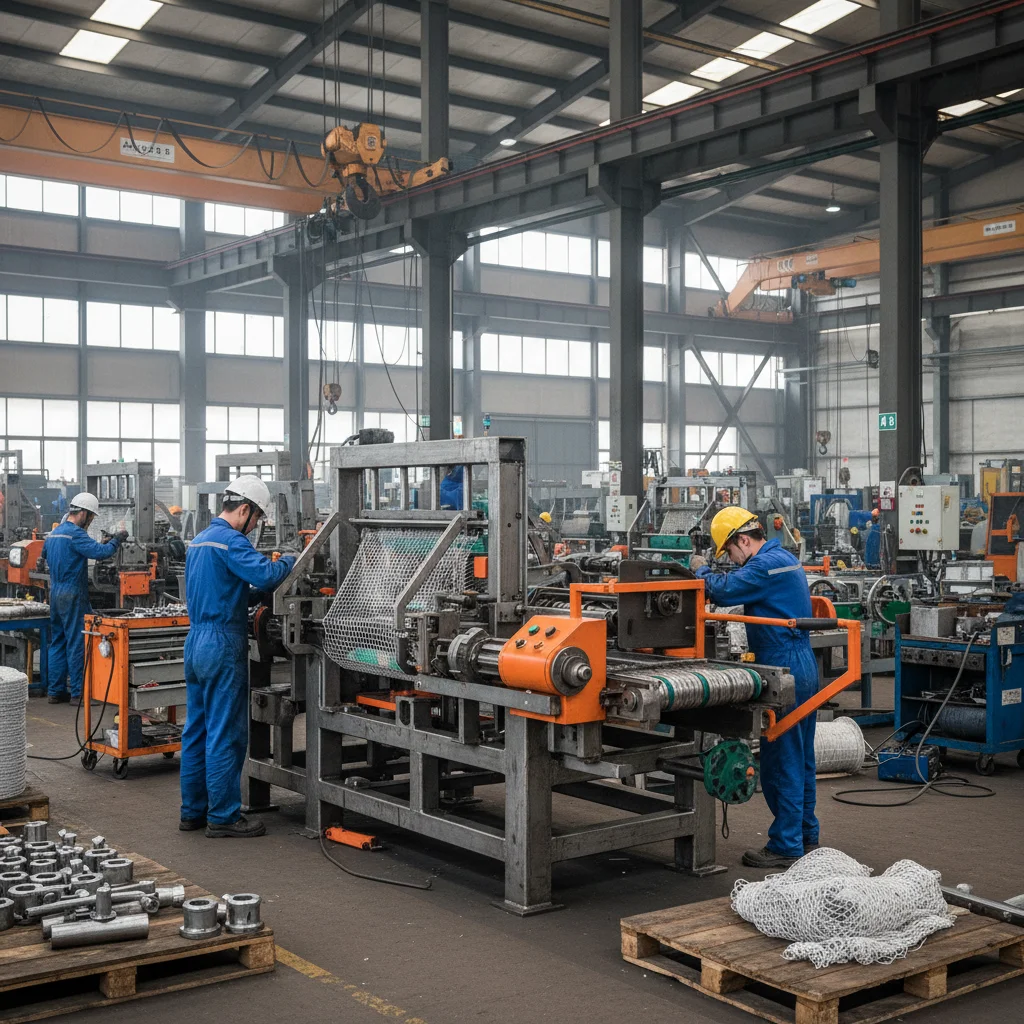
Selecting a reputable manufacturer is paramount. Consider factors like experience, reputation, customer support, and the availability of spare parts. Look for manufacturers who offer customized solutions to meet your specific needs. Hamkms has a proven track record of delivering high-quality, reliable equipment and exceptional customer service. Prioritize manufacturers who adhere to strict hygiene standards and offer equipment that is easy to clean and maintain.
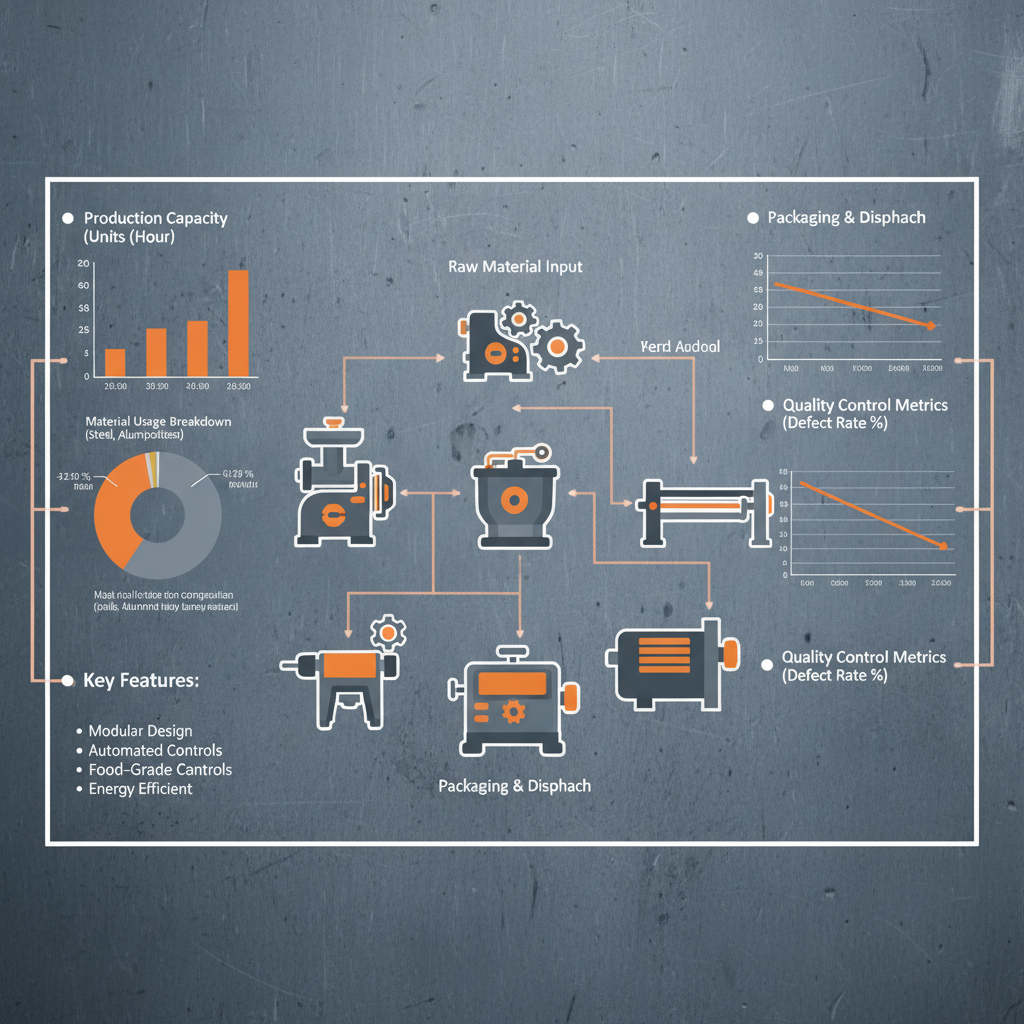
The industry is constantly evolving, with innovations focused on automation, hygiene, and efficiency. Modern equipment often incorporates features like programmable logic controllers (PLCs) for precise control, sanitary designs for easy cleaning, and integrated data logging for process monitoring. These advancements not only improve product quality and safety but also reduce operating costs and increase overall productivity. Hamkms is committed to staying at the forefront of these technological advancements, offering cutting-edge solutions to our clients.
Investing in high-quality sausage production equipment is crucial for businesses looking to thrive in today's competitive market. By choosing the right equipment and partnering with a reliable manufacturer like Hamkms, you can ensure consistent product quality, improve efficiency, and maximize profitability. Don't compromise on quality – invest in the future of your sausage production business.
When selecting a meat grinder, consider your production volume, the type of meat you'll be processing (texture and fat content), and your budget. For small-scale operations, a manual or semi-automatic grinder may suffice. For larger operations, a fully automatic grinder with adjustable speed and plate sizes is recommended. The material of the grinding plates (stainless steel is ideal for hygiene) and the ease of cleaning are also important factors. Look for grinders with safety features, such as overload protection.
Hygiene is absolutely critical in sausage production. Equipment should be made from food-grade materials, such as stainless steel, and designed for easy cleaning and sanitation. Regular disassembly and thorough cleaning are essential to prevent bacterial contamination. Look for equipment with minimal crevices and dead spaces where bacteria can accumulate. Manufacturers like Hamkms prioritize sanitary design in their equipment.
Regular maintenance is essential to ensure the longevity and reliable operation of your equipment. This includes cleaning after each use, lubricating moving parts, sharpening grinder blades, and inspecting for wear and tear. Following the manufacturer's recommendations for maintenance schedules is crucial. Preventive maintenance can help avoid costly downtime and repairs. Hamkms offers comprehensive maintenance support and spare parts.
If you are interested in our products, you can choose to leave your information here, and we will be in touch with you shortly.