Essential Guide to Sausage Manufacturing Clipping Machines for Optimal Production
  • Home
  • Top Blog
  • Essential Guide to Sausage Manufacturing Clipping Machines for Optimal Production
0%

Table of Contents

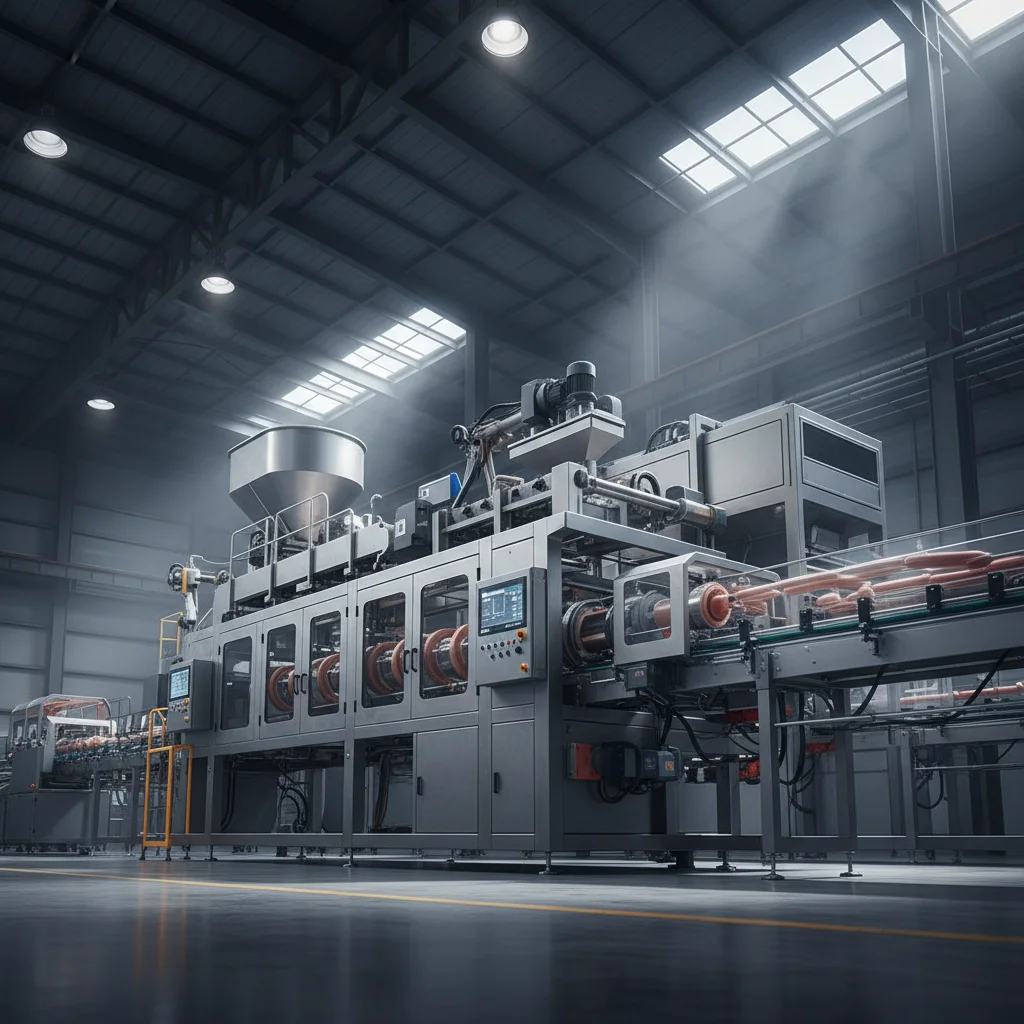
The global food industry relies heavily on efficient sausage production, and a crucial component of that process is the clipping machine for sausage Manufacture. These machines ensure consistent product quality, enhance presentation, and are vital for scaling production to meet worldwide demand. From small artisanal butchers to large-scale processing plants, the need for reliable and efficient sausage clipping solutions is universal. Understanding the nuances of these machines – their different types, functionalities, and maintenance requirements – is paramount for businesses aiming to excel in the competitive meat processing market.        

       The demand for processed meats, including sausages, continues to rise globally, driven by changing lifestyles and consumer preferences. This growth necessitates advancements in manufacturing technologies. A modern clipping machine for sausage Manufacture isn’t just about sealing casings; it’s about optimizing production lines, reducing waste, and ensuring food safety standards are met. According to the UN’s Food and Agriculture Organization (FAO), global meat production is projected to increase by approximately 15% by 2030, highlighting the urgency for technological improvements in this sector.        

       Furthermore, the proliferation of international food standards, like those set by the ISO, means manufacturers must demonstrate consistent product quality and traceability. A well-maintained and efficient clipping machine is a key element in achieving these standards, minimizing errors and ensuring a professional finish. Addressing challenges in sausage production, like maintaining consistent clip tension and preventing casing rupture, directly impacts profitability and consumer satisfaction.
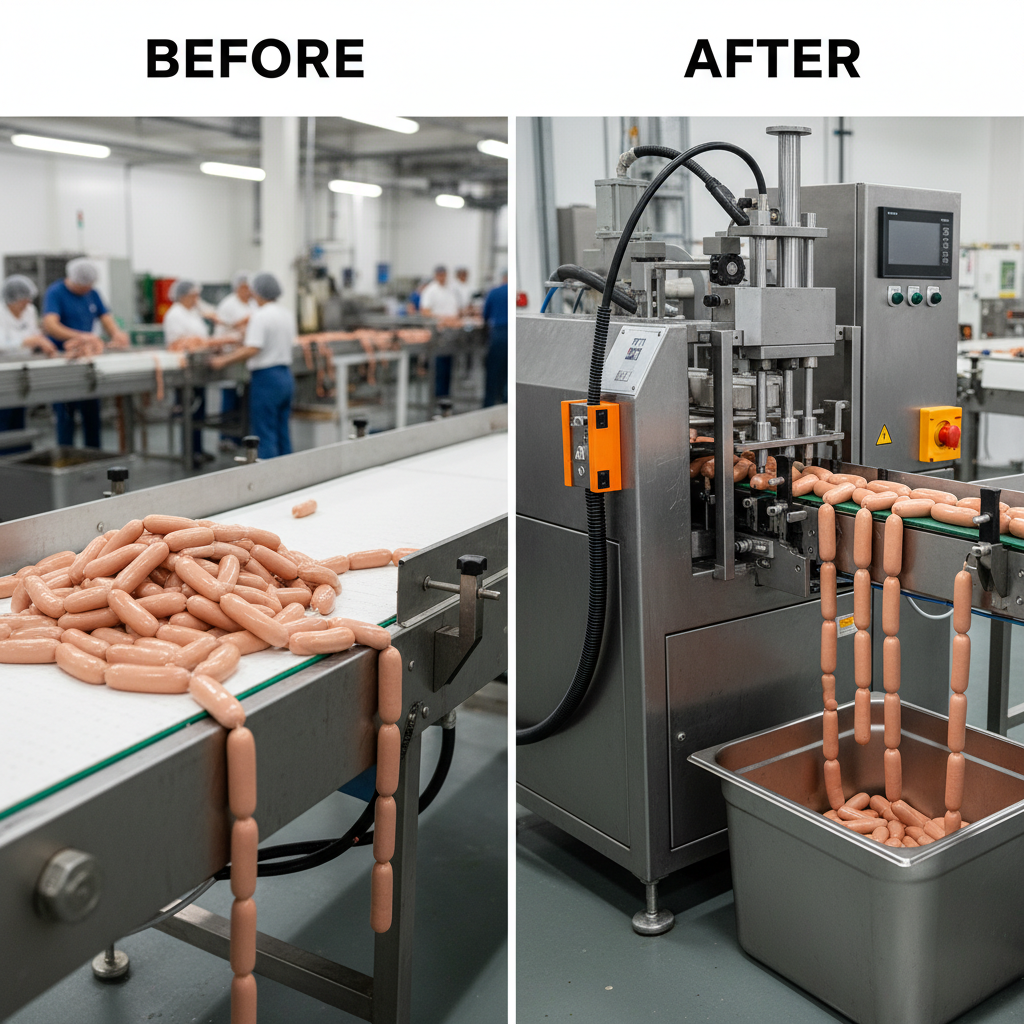
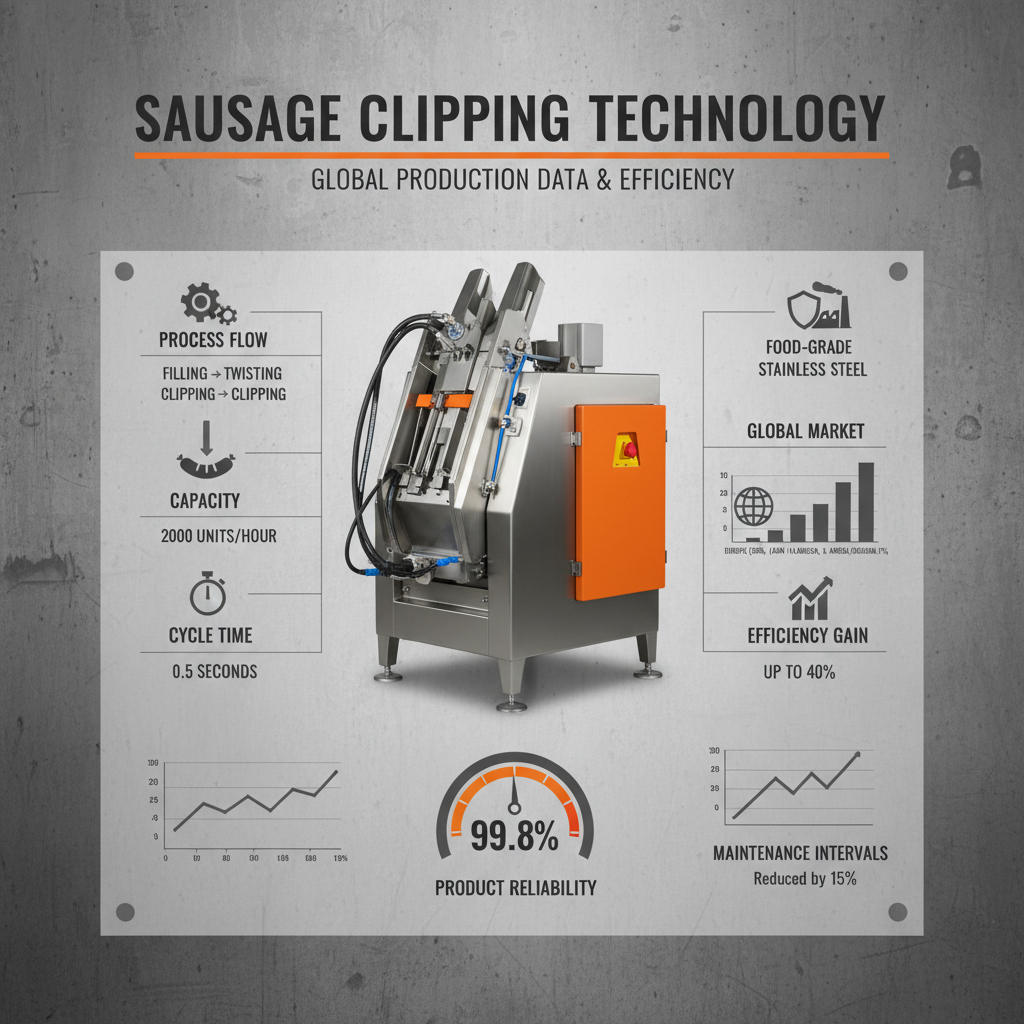
clipping machine for sausage Manufacture    

The Importance of Clipping Machines in Sausage Production

clipping machine for sausage Manufacture            

A reliable clipping machine for sausage Manufacture is foundational to maintaining product integrity and presentation. Without a secure seal, sausages can experience casing splits, moisture loss, and contamination, leading to product spoilage and potential health risks. Consistent clipping ensures uniform product weight and appearance, crucial for meeting consumer expectations and adhering to packaging regulations.            

           Furthermore, efficient clipping directly impacts production speed and throughput. Manual clipping is labor-intensive and prone to inconsistencies, while automated systems streamline the process, reducing bottlenecks and maximizing output. The right clipping machine, therefore, is not merely a piece of equipment, but a critical investment in production efficiency and product quality.

Global Context and Industry Relevance

The global sausage market is a multi-billion dollar industry, with significant regional variations in consumption patterns and production methods. Europe, North America, and Asia are key consumers and producers, each with specific demands for sausage types and packaging. A robust clipping machine for sausage Manufacture is vital for companies operating in these competitive markets, allowing them to meet diverse requirements and maintain a consistent supply.        

       The increasing focus on food safety and traceability adds another layer of complexity. Regulatory bodies worldwide are tightening standards, requiring manufacturers to demonstrate complete control over their production processes. Clipping machines play a critical role in this regard, providing a secure and reliable seal that helps prevent contamination and facilitates tracking throughout the supply chain.        

       The demand for innovative sausage products, including those with specialized casings (e.g., collagen, fibrous) is also driving advancements in clipping technology. Manufacturers are seeking machines that can handle a wider range of materials and deliver precise, consistent results, maintaining product integrity throughout the process.

Defining a Clipping Machine for Sausage Manufacture

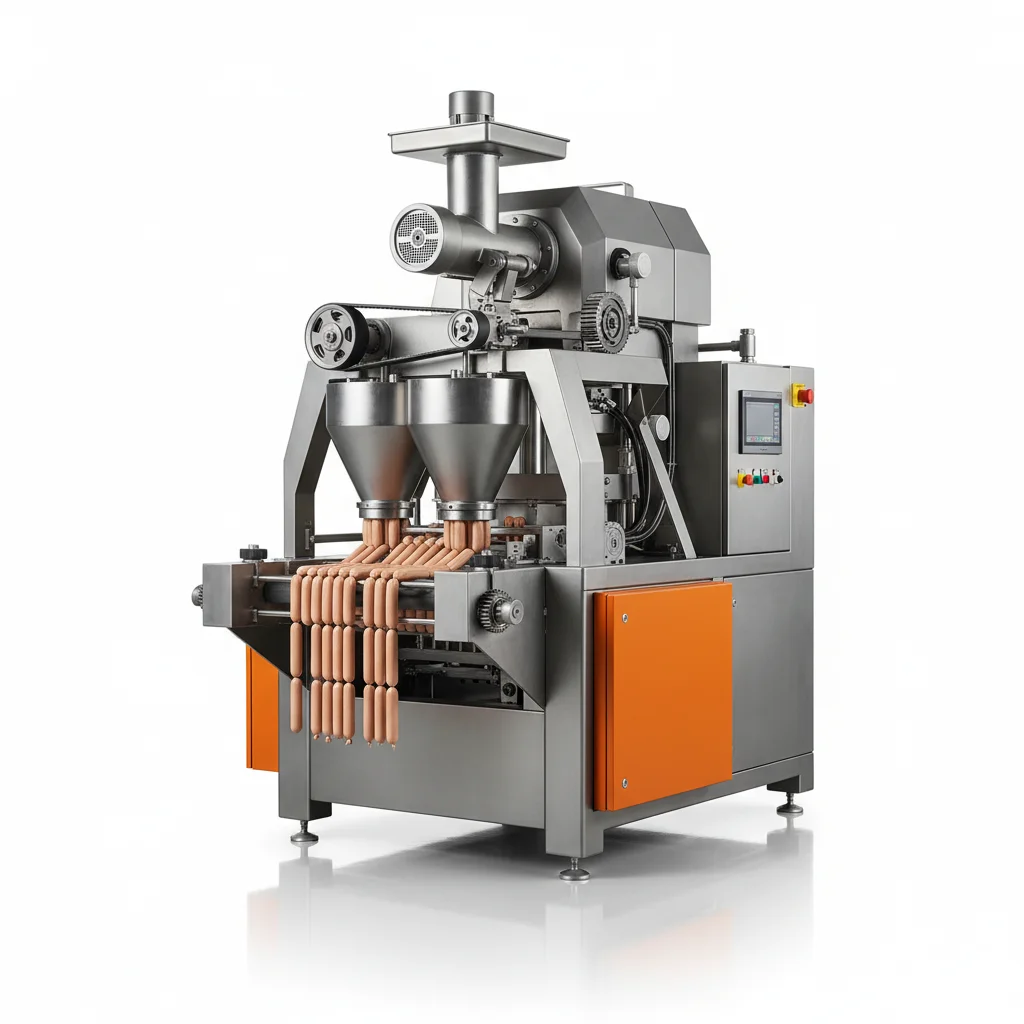
A clipping machine for sausage Manufacture, at its core, is a device designed to securely close the open end of a sausage casing. This is typically achieved by applying a clip, band, or other fastening mechanism to create an airtight seal. Modern machines utilize various technologies – pneumatic, hydraulic, or electric – to automate this process, ensuring speed and consistency.

Different types of clipping machines cater to varying production volumes and casing materials. Manual machines are suitable for small-scale operations, while semi-automatic and fully automatic models are employed in larger facilities. The choice of machine also depends on the type of casing used – natural, collagen, fibrous, or plastic – as each material requires a specific clipping technique.

The functionality extends beyond simply closing the casing. Many machines include features like clip loading systems, tension control mechanisms, and integrated sensors to monitor performance and ensure consistent results. Accurate clipping is not only vital for aesthetics but also for preserving freshness and preventing product contamination, making the machine an indispensable component of the sausage manufacturing process.

Key Factors for Optimal Performance

Several key factors contribute to the optimal performance of a clipping machine for sausage Manufacture. Durability is paramount, as these machines operate in demanding environments and require consistent reliability. Stainless steel construction and robust components minimize downtime and ensure a long service life.        

       Scalability is another critical consideration. As production volumes increase, the ability to upgrade or expand the clipping system becomes essential. Modular designs allow for easy integration of additional components, ensuring the machine can adapt to evolving business needs.

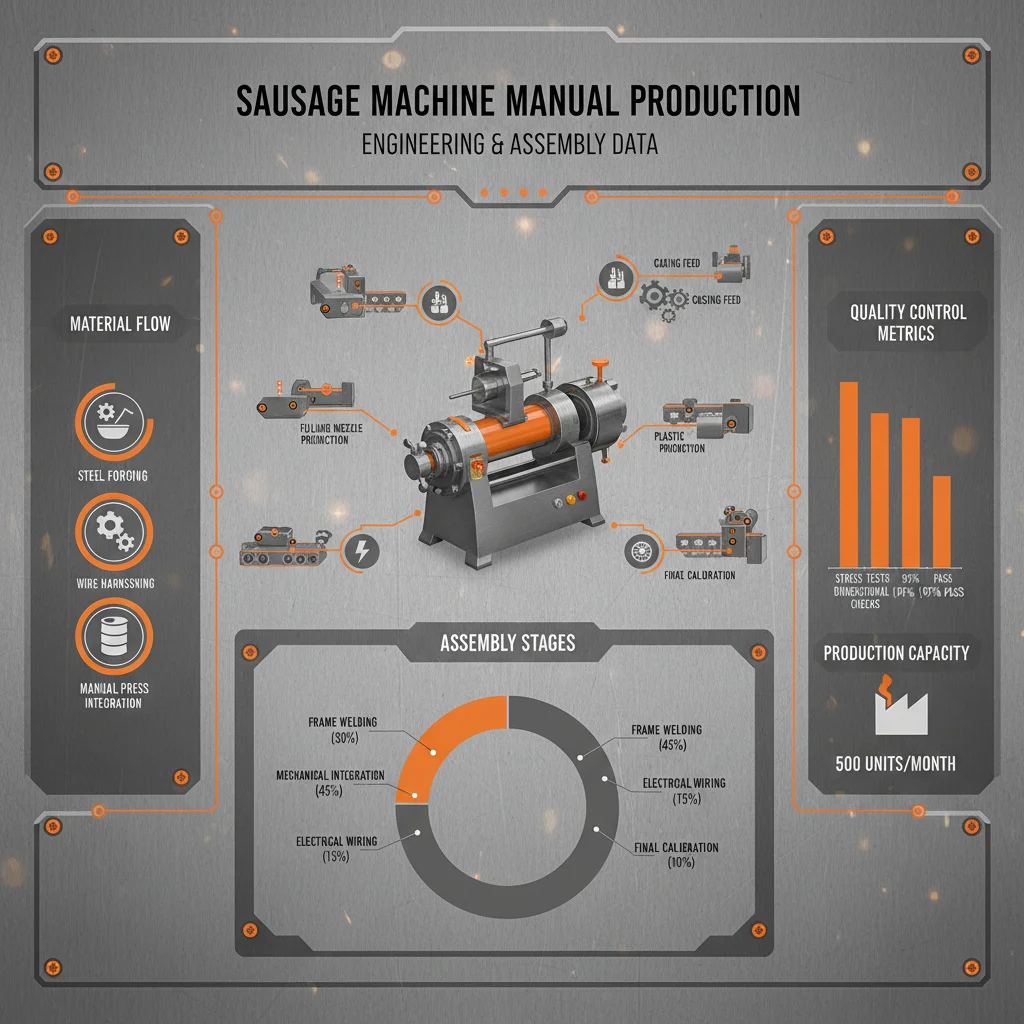
Clipping Machine Performance Metrics

Applications Across Industries and Geographies

The applications of a clipping machine for sausage Manufacture extend beyond traditional sausage production. They are also used in the processing of other encased meats, such as salami, pepperoni, and cooked ham. In post-disaster relief operations, pre-cooked sausages can be a vital source of protein, and efficient clipping ensures shelf-life stability for distribution.        

       Geographically, demand is particularly strong in regions with high meat consumption, such as Europe, North America, and increasingly, Asia-Pacific. In remote industrial zones, where access to skilled labor may be limited, automated clipping machines offer a solution for maintaining consistent production standards.

Advantages and Long-Term Value Proposition

The advantages of investing in a high-quality clipping machine for sausage Manufacture are multifaceted. Cost savings are realized through reduced labor requirements, minimized product waste, and increased production efficiency. Sustainable operation benefits from precise clip application, minimizing casing damage and maximizing material utilization.        

       Beyond the tangible benefits, a reliable clipping machine contributes to brand reputation and consumer trust. Consistent product quality and attractive packaging enhance the perceived value of the product, fostering customer loyalty. Investing in automation also demonstrates a commitment to innovation and a proactive approach to meeting evolving market demands.        

       Finally, improved safety standards are a key advantage. Automated systems reduce the risk of repetitive strain injuries for operators and minimize the potential for contamination, safeguarding both employees and consumers.

Future Trends and Technological Advancements

The future of clipping machine for sausage Manufacture is poised for significant innovation.  Integration of Artificial Intelligence (AI) for real-time monitoring and process optimization is a key trend.  AI can analyze clipping performance, predict potential maintenance issues, and adjust settings to maintain optimal efficiency.        

       Digital transformation is driving the development of interconnected systems, where clipping machines are integrated with other production line equipment, enabling seamless data exchange and automated control.  Remote diagnostics and predictive maintenance, facilitated by IoT sensors, will minimize downtime and reduce maintenance costs.        

       Sustainability is another key driver, with manufacturers seeking machines that reduce energy consumption, minimize waste, and utilize environmentally friendly materials. The development of biodegradable and compostable clipping solutions will further enhance the sustainability profile of the sausage manufacturing process.

Summary of Clipping Machine Technologies and Challenges

Technology TypeCasing CompatibilityMaintenance ComplexityProduction Capacity
Pneumatic ClippingNatural & CollagenMediumMedium
Hydraulic ClippingFibrous & PlasticHighHigh
Electric ClippingCollagen & CelluloseLowLow-Medium
Ultrasonic ClippingAll TypesMediumMedium-High
Automated Robotic ClippingAll TypesHighVery High
Manual ClippingNaturalLowLow

FAQS

What factors should I consider when choosing a clipping machine for my sausage production?            

Selecting the right clipping machine for sausage Manufacture requires careful consideration of several factors. Production volume is crucial – smaller operations may suffice with manual or semi-automatic machines, while larger facilities need fully automated systems. Casing material is also important, as different machines are designed for specific casing types. Budget, maintenance requirements, and future scalability should also be factored into the decision-making process.  Finally, consider the level of automation you require and the expertise of your team to operate and maintain the machine.

How often should I perform maintenance on my clipping machine?            

Regular maintenance is vital for ensuring the longevity and performance of your clipping machine for sausage Manufacture. Daily cleaning is essential to remove food residue and prevent contamination. Weekly inspections should include checking for worn parts, loose connections, and proper lubrication.  Annual professional servicing, performed by a qualified technician, is highly recommended to identify and address potential issues before they lead to costly breakdowns. Adhering to the manufacturer’s maintenance schedule is crucial.

What are the different types of sausage casings compatible with various clipping machines?            

Sausage casings come in several forms: natural (hog, sheep, beef), collagen, fibrous, and plastic. Different clipping machine for sausage Manufacture models are designed to handle specific casing types. Natural casings require gentle handling and precise clipping to avoid tearing. Collagen casings are more robust and can be processed with a wider range of machines. Fibrous and plastic casings often require more specialized equipment designed for high-speed production. Always verify casing compatibility with the machine manufacturer.

What safety precautions should I take when operating a clipping machine?            

Safety is paramount when operating a clipping machine for sausage Manufacture. Always wear appropriate personal protective equipment (PPE), including safety glasses and gloves. Ensure the machine is properly grounded and connected to a stable power supply. Never attempt to repair or modify the machine without proper training and authorization. Follow the manufacturer's safety guidelines meticulously and ensure all operators are thoroughly trained on safe operating procedures.  Always disconnect the power before cleaning or performing maintenance.

What is the typical lifespan of a well-maintained clipping machine?            

The lifespan of a clipping machine for sausage Manufacture is heavily dependent on maintenance and usage. With regular servicing and proper operation, a high-quality machine can easily last 10-15 years or even longer.  Factors such as the frequency of use, the type of casings processed, and the environment in which the machine operates all influence its longevity. Investing in a durable machine from a reputable manufacturer and adhering to a consistent maintenance schedule are key to maximizing its lifespan.

Are there any automated features available for clipping machines?            

Yes, many modern clipping machine for sausage Manufacture offer a range of automated features, including automatic clip loading, tension control, and even automated casing alignment. Some machines also incorporate sensors for monitoring performance and detecting potential issues. Fully automated systems can significantly increase production efficiency and reduce labor costs.  Integration with other production line equipment is also becoming increasingly common, creating a fully automated sausage manufacturing process.

Conclusion

In conclusion, the clipping machine for sausage Manufacture is an indispensable component of the modern food processing industry. Its ability to ensure product quality, enhance production efficiency, and meet stringent food safety standards makes it a critical investment for businesses of all sizes. Understanding the key factors influencing performance, embracing technological advancements, and prioritizing regular maintenance are essential for maximizing the value of this equipment.        

       Looking ahead, the integration of AI, IoT, and sustainable materials will further revolutionize clipping technology, driving increased efficiency, reduced waste, and improved product safety. By embracing these innovations, sausage manufacturers can position themselves for continued success in a dynamic and competitive global market. Visit our website at www.hamkms.com to explore our range of clipping machines and discover how we can help you optimize your sausage production process.

Nathaniel “Nate” Sterling

Nathaniel “Nate” Sterling

Nathaniel Sterling is a Research and Development Engineer specializing in packaging solutions at Hebei Kemes. Holding a doctorate in Engineering from MIT, Nate is focused on developing innovative features for our sausage processing and enema knotting machines. He’s led the research into improved knotting mechanisms and automation of the enema
Previous Advancements in Bratwurst Machine Manufacture for Global Food Production
Next Comprehensive Guide to Equipment for Sausage Making Manufacture and Industry Trends

If you are interested in our products, you can choose to leave your information here, and we will be in touch with you shortly.