-
 Email: kemaisi17710570236@gmail.com
-
 Tel: +86 18031173072
Email: kemaisi17710570236@gmail.com
Tel: +86 18031173072
March 05, 2026
The demand for high-quality sausages is continually growing, both domestically and internationally. Successfully meeting this demand requires efficient and reliable equipment for sausage making manufacture. From small artisanal producers to large-scale industrial operations, selecting the right machinery is crucial for maintaining product quality, maximizing production capacity, and ensuring food safety. This guide will provide a detailed overview of the essential equipment involved in sausage production, exploring the benefits and considerations for each stage of the process. Choosing the right equipment can significantly improve your operational efficiency and product consistency.
Sausage making is a multi-step process, each requiring specific equipment. These stages typically include meat grinding, mixing, stuffing, linking/twisting, clipping, and often, smoking and cooking. The scale of your operation will dictate the level of automation and the types of machinery required. For smaller batches, manual or semi-automatic equipment may suffice, while larger-scale production necessitates fully automated lines. Consider factors like daily production volume, sausage varieties, and hygiene standards when selecting your equipment. Properly maintained equipment is the backbone of a safe and efficient sausage manufacturing operation.
Key Considerations: Production volume, Sausage varieties, Hygiene standards, Budget constraints, and Long-term scalability.
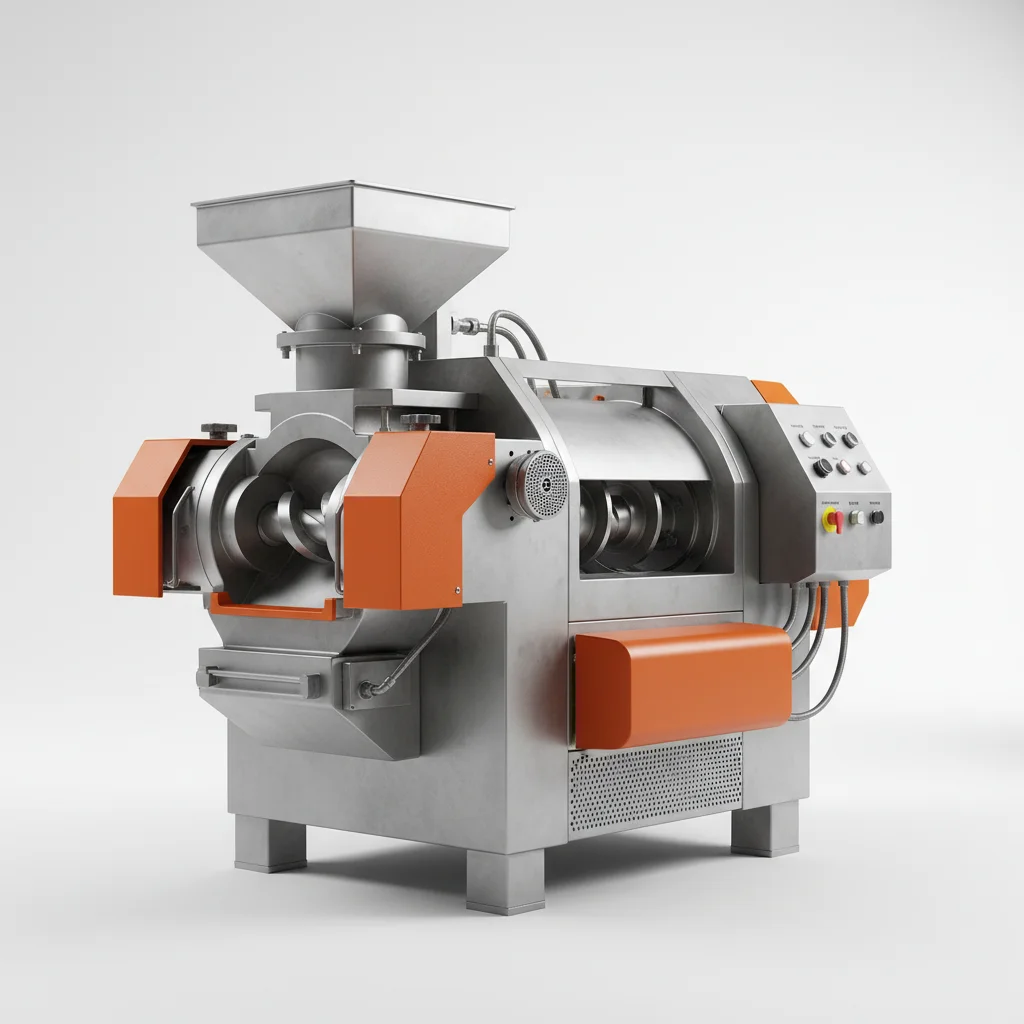
Several key pieces of equipment are fundamental to sausage production. These include meat grinders, mixers, sausage stuffers, and linking machines. Each plays a vital role in achieving the desired product quality and consistency. Let’s examine each in more detail. The right combination of equipment will streamline your workflow and reduce manual labor.
Core Equipment Breakdown:
• Meat Grinders: Reduce meat to the desired particle size.
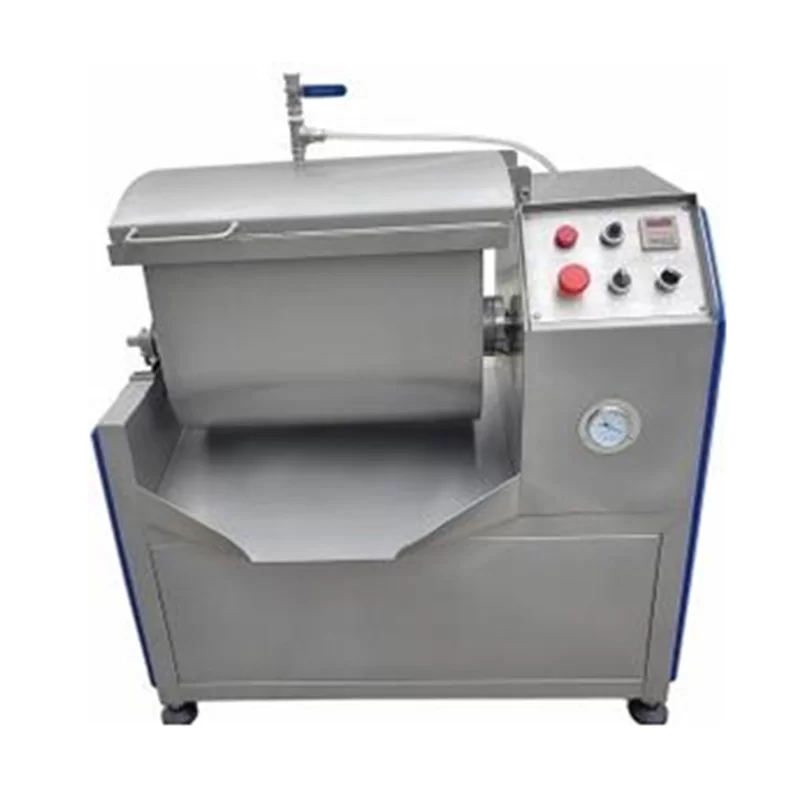
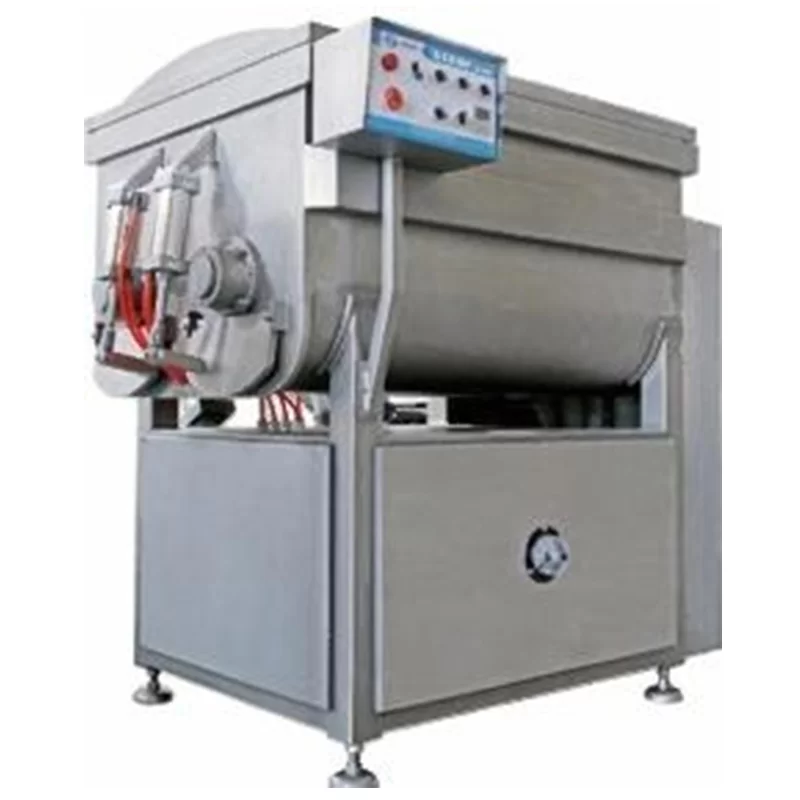
• Mixers: Thoroughly blend meat with spices and additives.
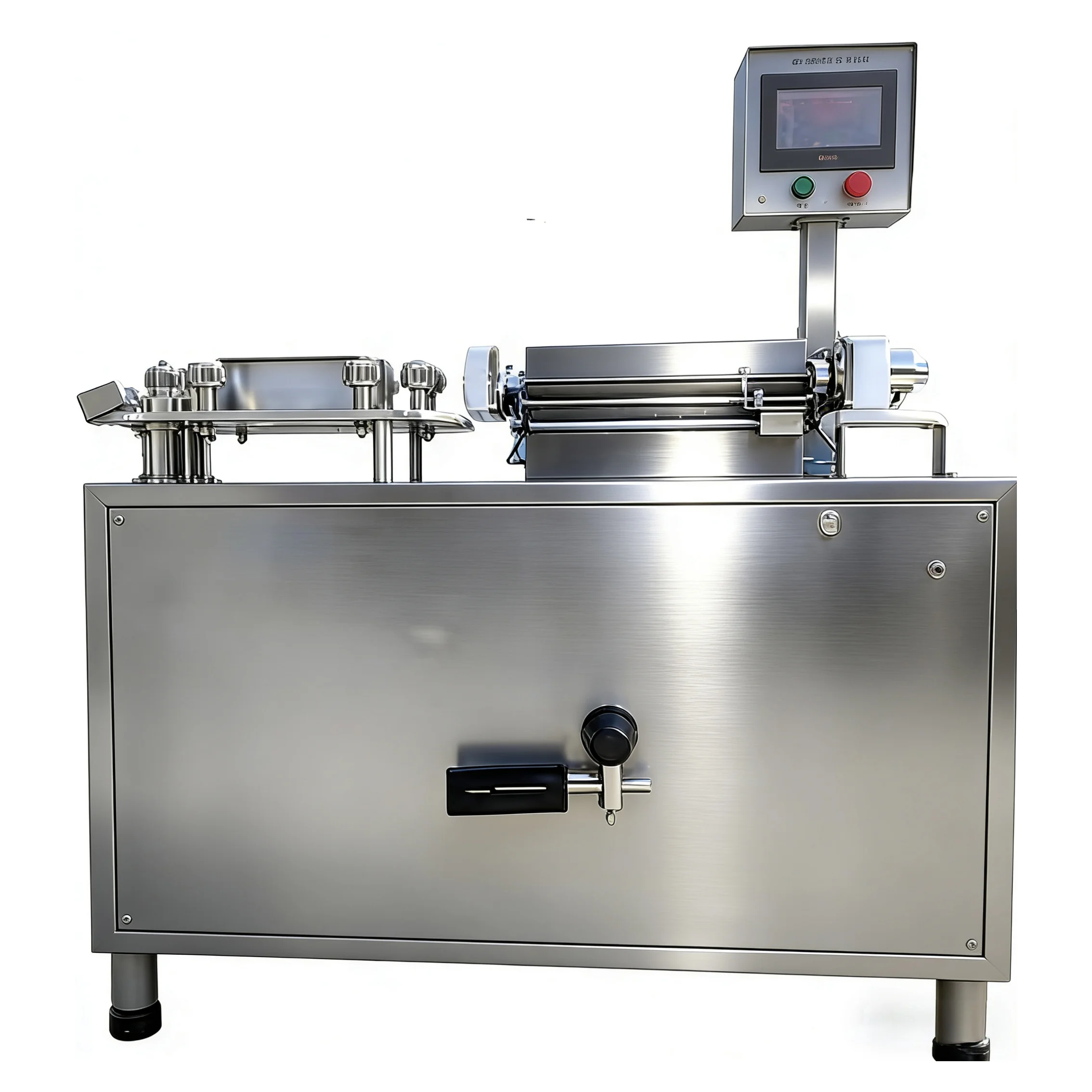
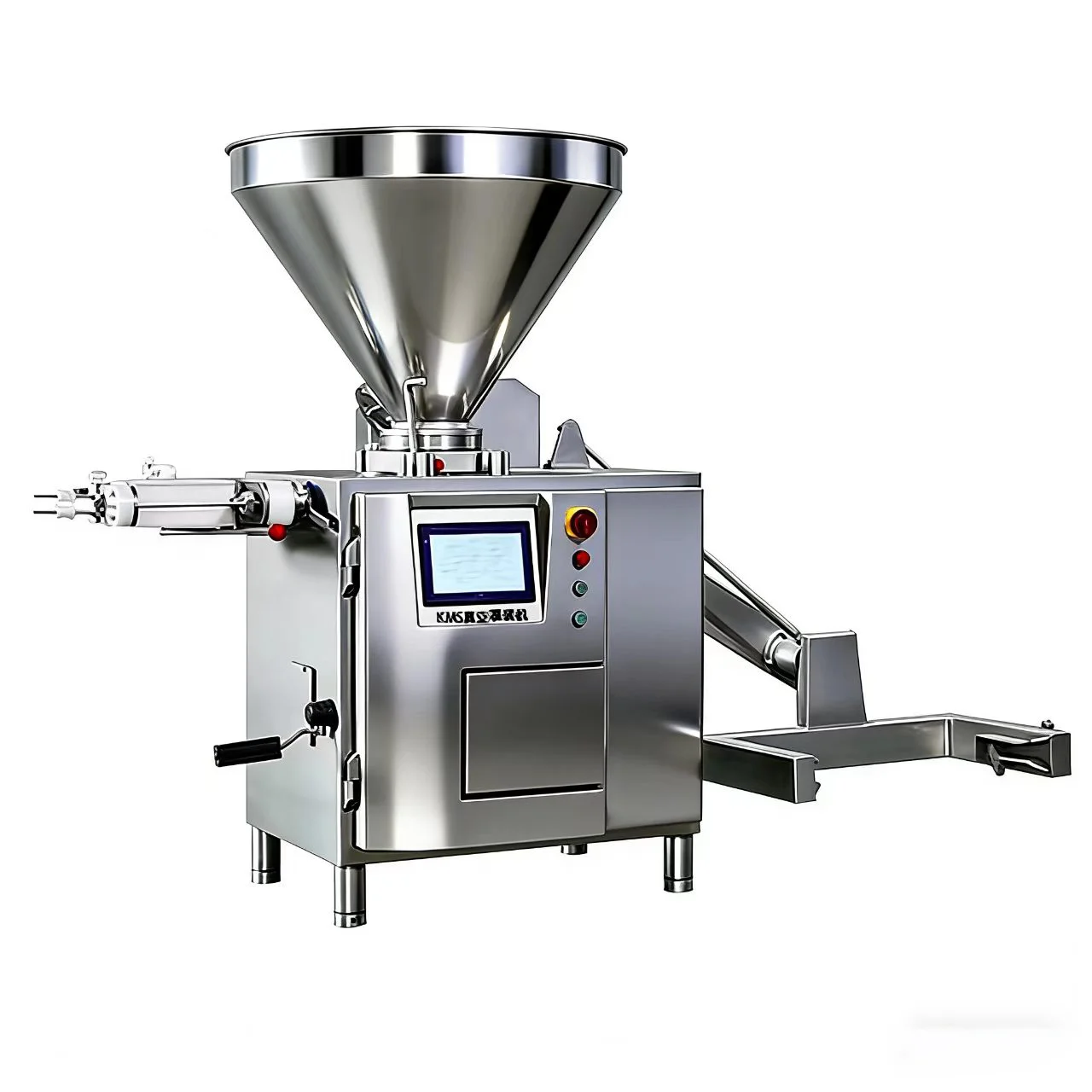
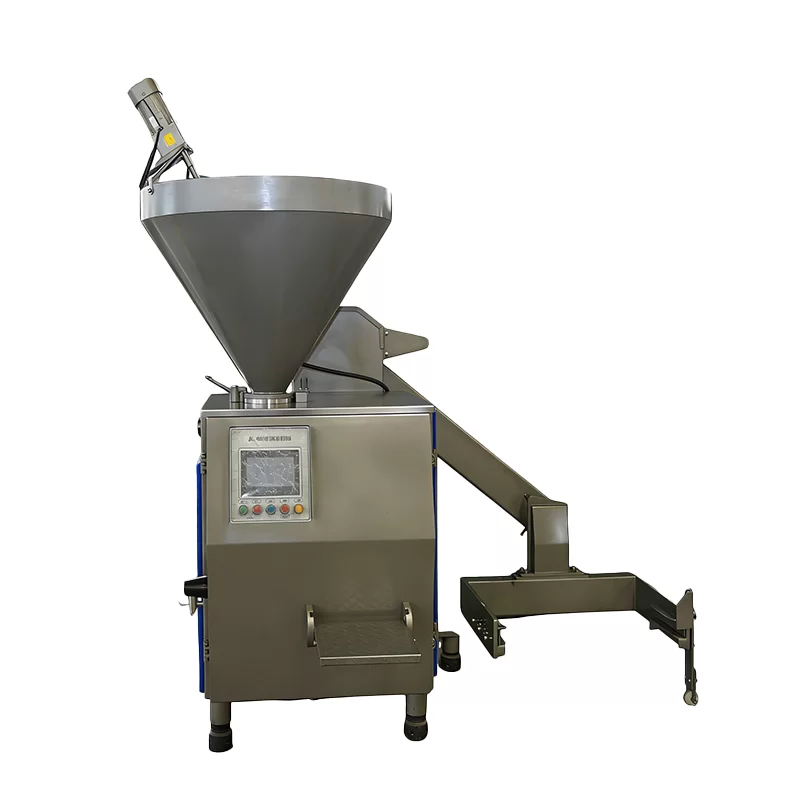
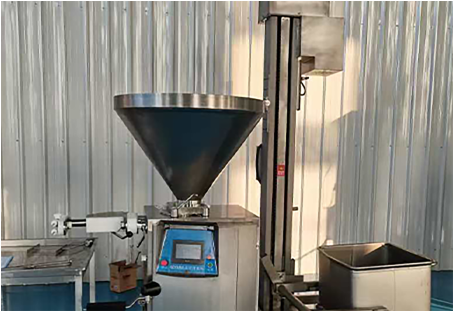
• Sausage Stuffers: Fill casings with the meat mixture.
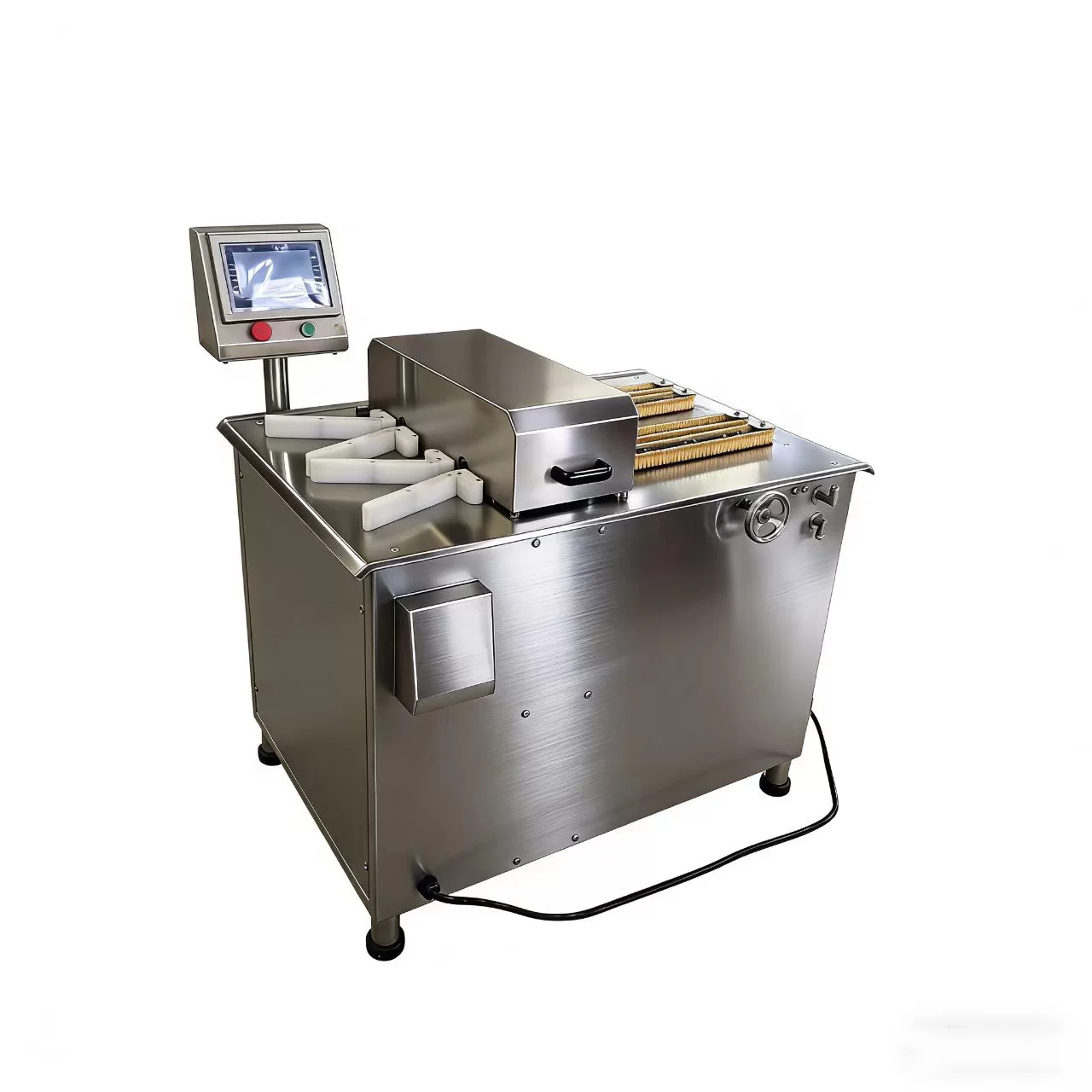
• Linking Machines: Automatically tie off sausages into individual links.
Meat grinders come in various sizes and configurations, each suited to different production needs. From manual grinders for small-batch production to high-capacity electric grinders for large-scale operations, the choice depends on your volume and budget. Plate size also impacts the texture of the final product. Here's a comparison of common types:
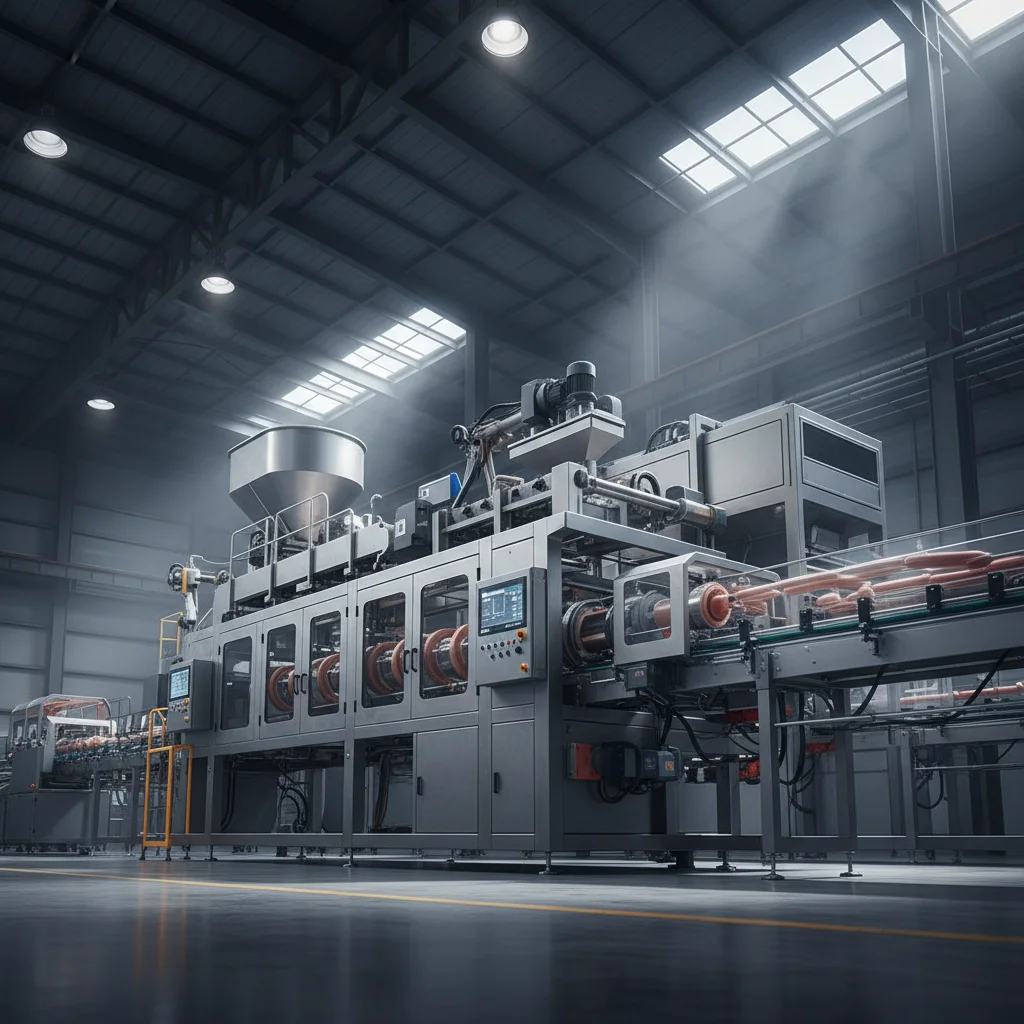
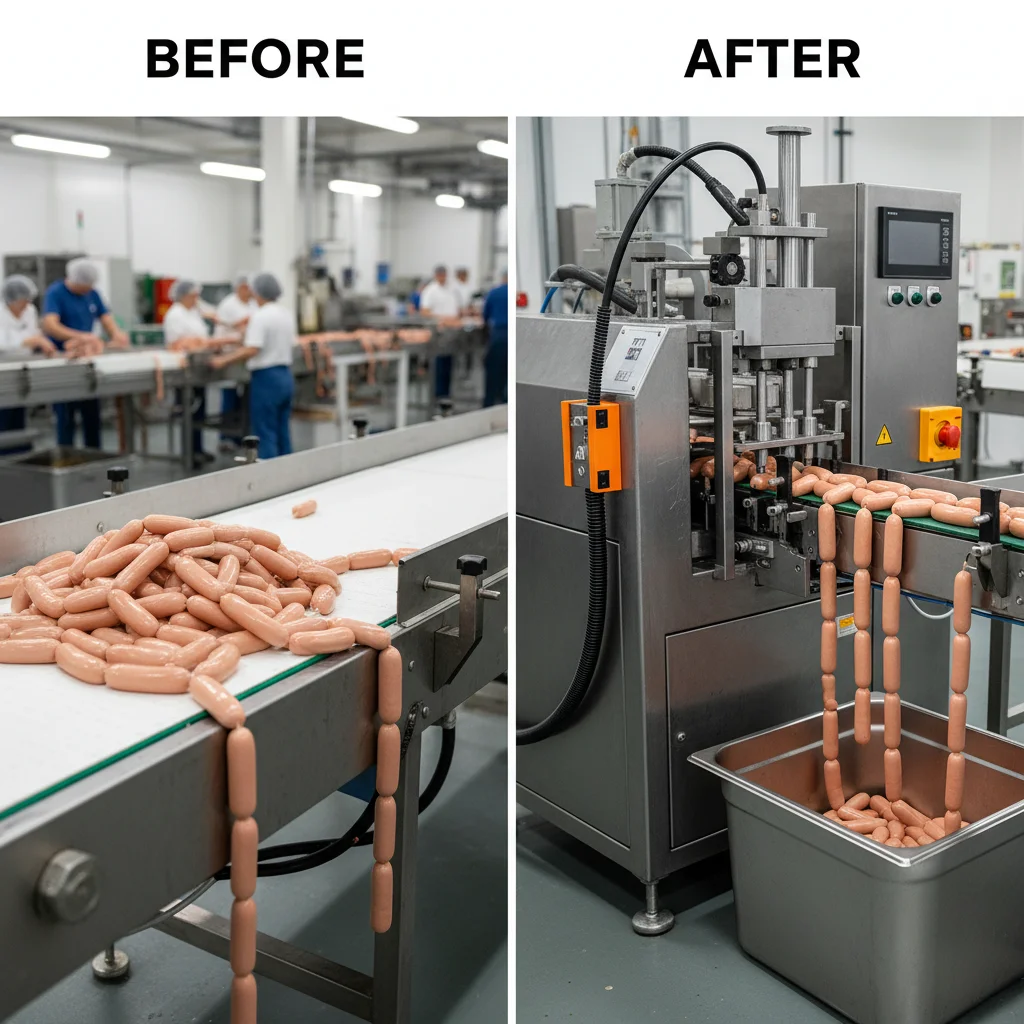
For high-volume production, automating the sausage-making process is crucial. Integrated systems can connect grinders, mixers, stuffers, and linking machines, minimizing manual handling and maximizing efficiency. Automation also improves hygiene, reduces labor costs, and ensures consistent product quality. Hamkms offers a range of integrated solutions tailored to various production scales. Investing in automation can deliver a significant return on investment over the long term.
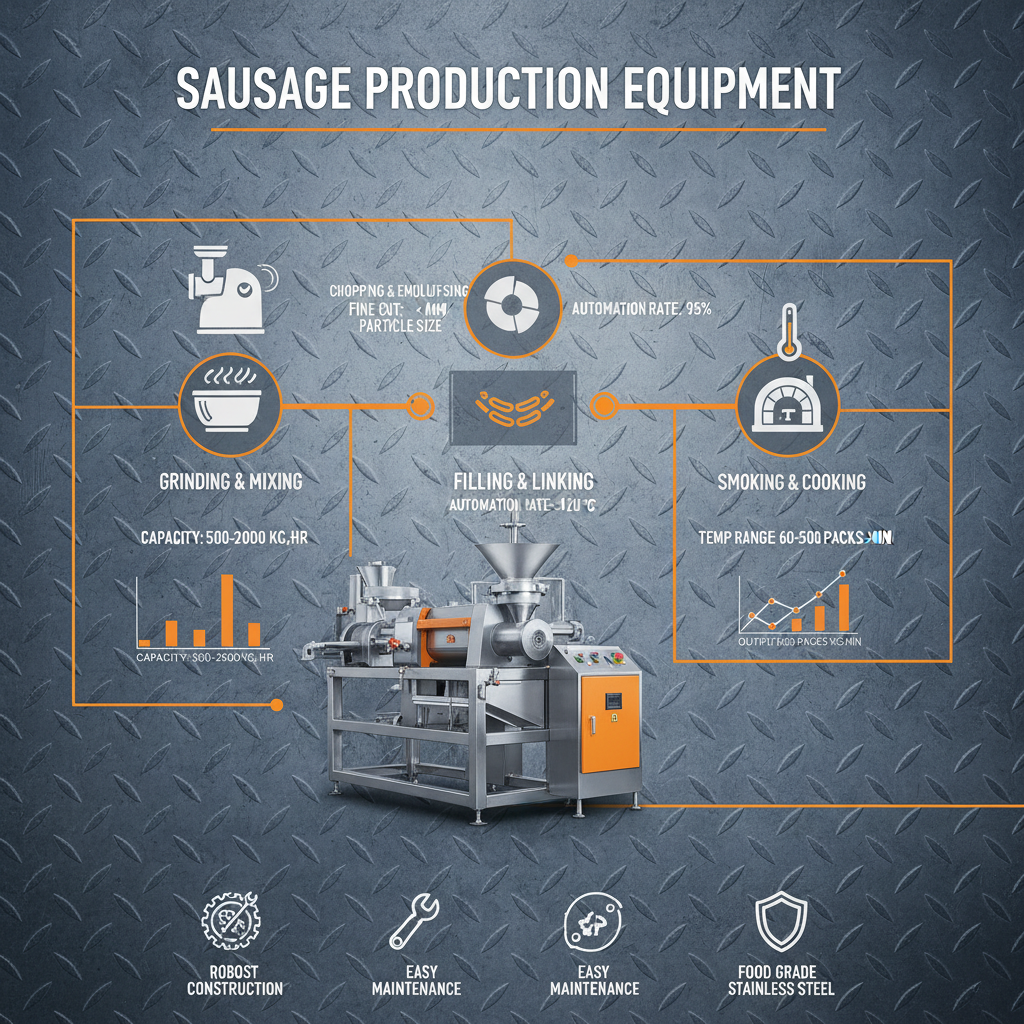
Maintaining strict hygiene standards is paramount in sausage production. Equipment should be constructed from food-grade materials and designed for easy cleaning and sanitation. Regular maintenance and cleaning schedules are essential to prevent bacterial contamination and ensure product safety. Adhering to HACCP (Hazard Analysis and Critical Control Points) principles is crucial for identifying and controlling potential hazards throughout the production process.
Selecting the right equipment for sausage making manufacture is a significant investment that directly impacts product quality, production efficiency, and food safety. By carefully evaluating your needs, considering automation options, and prioritizing hygiene, you can establish a successful and sustainable sausage production operation.
Several factors come into play when selecting a sausage stuffer. Consider the types of casings you’ll be using (natural or synthetic), the volume of production, and the desired level of automation. Vacuum stuffers are excellent for removing air pockets and achieving a dense, consistent fill. Piston stuffers are suitable for smaller batches and various casing types. Horizontal stuffers are often preferred for larger-scale operations. Ensure the stuffer is made from food-grade stainless steel for easy cleaning and sanitation.
The material of construction is critical for ensuring food safety and durability. Food-grade stainless steel (304 or 316) is the preferred material for all equipment that comes into contact with meat. It’s non-porous, easy to clean, and resistant to corrosion. Avoid equipment made with materials that can leach harmful substances into the product. Regular inspection for corrosion or damage is essential.
Regular maintenance is vital for prolonging the life of your equipment and ensuring optimal performance. This includes daily cleaning and sanitation, lubricating moving parts, sharpening grinder blades, and inspecting belts and seals for wear and tear. Follow the manufacturer's recommendations for specific maintenance procedures. Keep a maintenance log to track all servicing and repairs.
If you are interested in our products, you can choose to leave your information here, and we will be in touch with you shortly.