-
 Email: kemaisi17710570236@gmail.com
-
 Tel: +86 18031173072
Email: kemaisi17710570236@gmail.com
Tel: +86 18031173072
March 24, 2026
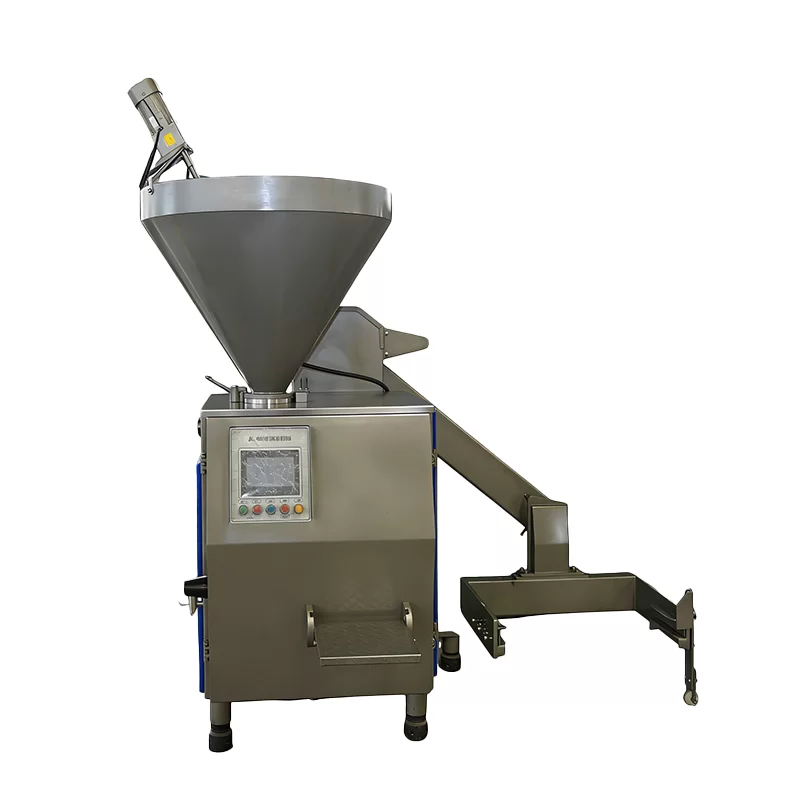
The art of sausage making has been perfected over centuries, and a crucial step in the process is stuffing sausage with a grinder. This process requires specialized equipment, precise techniques, and a thorough understanding of food safety. At Hamkms, we specialize in the manufacture of high-quality meat processing equipment, including grinders and stuffers designed for both small-scale artisans and large-scale commercial operations. This article will delve into the intricacies of sausage stuffing, covering the manufacturing process of grinders, essential techniques, and best practices for achieving consistently delicious and safe products.
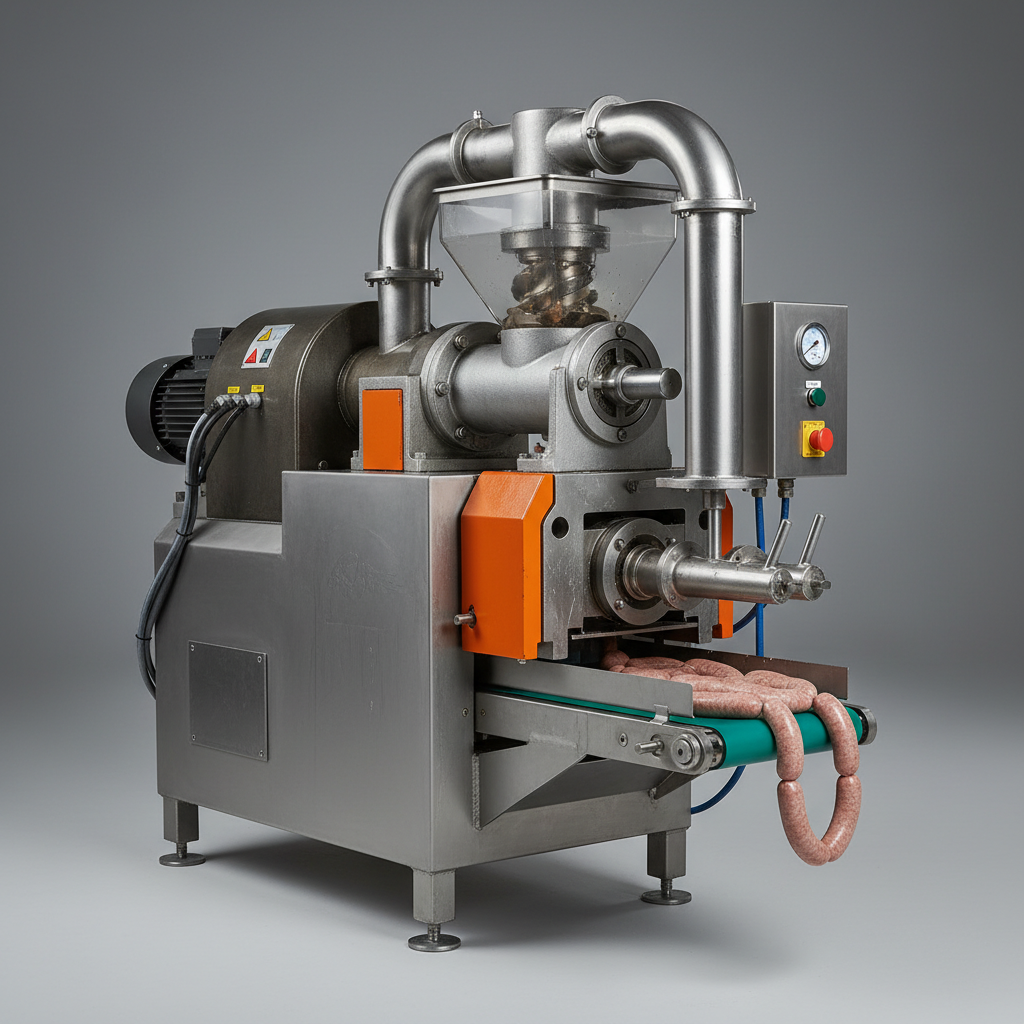
The manufacturing of a high-quality sausage grinder is a meticulous process. It begins with the selection of appropriate materials, typically stainless steel, chosen for its durability, corrosion resistance, and ease of sanitation. The components—housing, grinding plates, knives, and feed screw—are precisely machined to ensure accurate operation and efficient meat processing. Stainless steel 304 is a common choice for food-grade applications, and some manufacturers use 316 for even greater corrosion resistance. The grinder's motor is carefully selected for its power and reliability. Quality control is paramount throughout the manufacturing process, with rigorous testing performed at each stage to guarantee performance and safety. Hamkms employs stringent quality assurance protocols to deliver superior grinders.
Key Manufacturing Steps: Precise machining of stainless steel components, rigorous quality control checks, motor testing for optimal performance, and careful assembly to ensure smooth operation.
Beyond the grinder itself, several key components contribute to successful sausage stuffing. These include grinding plates with varying hole sizes to achieve the desired meat texture, sharp knives to efficiently cut the meat, a stuffing tube or horn to direct the meat into casings, and a casing threader to easily insert the casing onto the stuffing horn. The quality of these components directly affects the final product. Using dull knives, for instance, can result in a mushy texture and reduced yield. Hamkms provides a complete range of accessories to complement our grinders, ensuring optimal performance.
Component Importance:
• Grinding Plates: Control meat texture.
• Knives: Efficiently cut the meat.
• Stuffing Tube: Directs meat into casings.
• Casing Threader: Simplifies casing application.
The process of stuffing sausage with a grinder involves several critical steps. First, ensure all components are thoroughly cleaned and sanitized. Chill the meat to a near-freezing temperature—this helps maintain emulsion and prevents fat smearing. Grind the meat through the appropriate plate size. Mix in seasonings thoroughly. Attach the stuffing tube to the grinder and carefully thread a casing onto the horn. Begin stuffing the casing slowly and evenly, avoiding air pockets. Tie off the casings to create individual sausages. Proper technique is vital for consistent quality and food safety.
Different types of grinders are suited for varying production levels. Small, hand-cranked grinders are ideal for home use and small batches. Electric grinders offer increased efficiency for moderate production volumes. Commercial-grade grinders, often with larger motors and higher capacities, are designed for large-scale operations. Vertical grinders are space-efficient, while horizontal grinders typically offer greater power and efficiency. Choosing the right grinder depends on your specific needs and production goals. Hamkms offers a diverse range of grinders to meet any requirement.
Maintaining strict hygiene standards is paramount when stuffing sausage. All equipment must be thoroughly cleaned and sanitized before and after each use. Use food-grade lubricants only. Regularly sharpen the grinder knives to ensure efficient cutting and minimize bacterial growth. Keep meat chilled throughout the process. Implement a Hazard Analysis and Critical Control Points (HACCP) plan to identify and mitigate potential food safety hazards.
Successfully stuffing sausage with a grinder requires quality equipment, proper technique, and a commitment to food safety. Hamkms provides the tools and expertise to help you achieve consistently delicious and safe sausage products. From manufacturing durable grinders to offering expert guidance, we are dedicated to supporting your success.
The meat should be as cold as possible, ideally between 28°F (-2°C) and 32°F (0°C). This is crucial for maintaining the proper emulsion, preventing fat smearing, and ensuring optimal texture. Partially freezing the meat can help achieve this temperature. Keeping the meat cold also minimizes bacterial growth during processing. It is highly recommended to use a meat thermometer to verify the temperature before grinding and stuffing.
The frequency of knife sharpening depends on usage. However, a good rule of thumb is to sharpen the knives after every 4-8 hours of grinding. Dull knives create friction, leading to mushy texture and increased risk of bacterial contamination. Regularly sharpened knives ensure efficient cutting, cleaner results, and improved product quality. Consider investing in a high-quality knife sharpening system for consistent results.
The choice of casing depends on the type of sausage you are making. Natural casings (hog, sheep, or beef) provide a traditional texture and snap, but require more preparation. Collagen casings offer consistent diameter and are easier to use. Cellulose casings are generally used for cooked sausages. Synthetic casings offer excellent strength and are suitable for high-volume production. Hamkms can provide guidance on selecting the appropriate casing for your specific application.
Air pockets can compromise the appearance and quality of the sausage. To prevent them, pack the meat firmly into the grinder head. Stuff the casings slowly and evenly, maintaining consistent pressure. Avoid jerky movements. If air pockets do form, gently prick them with a clean needle to release the air. Proper casing preparation and consistent stuffing technique are essential for minimizing air pockets.
If you are interested in our products, you can choose to leave your information here, and we will be in touch with you shortly.