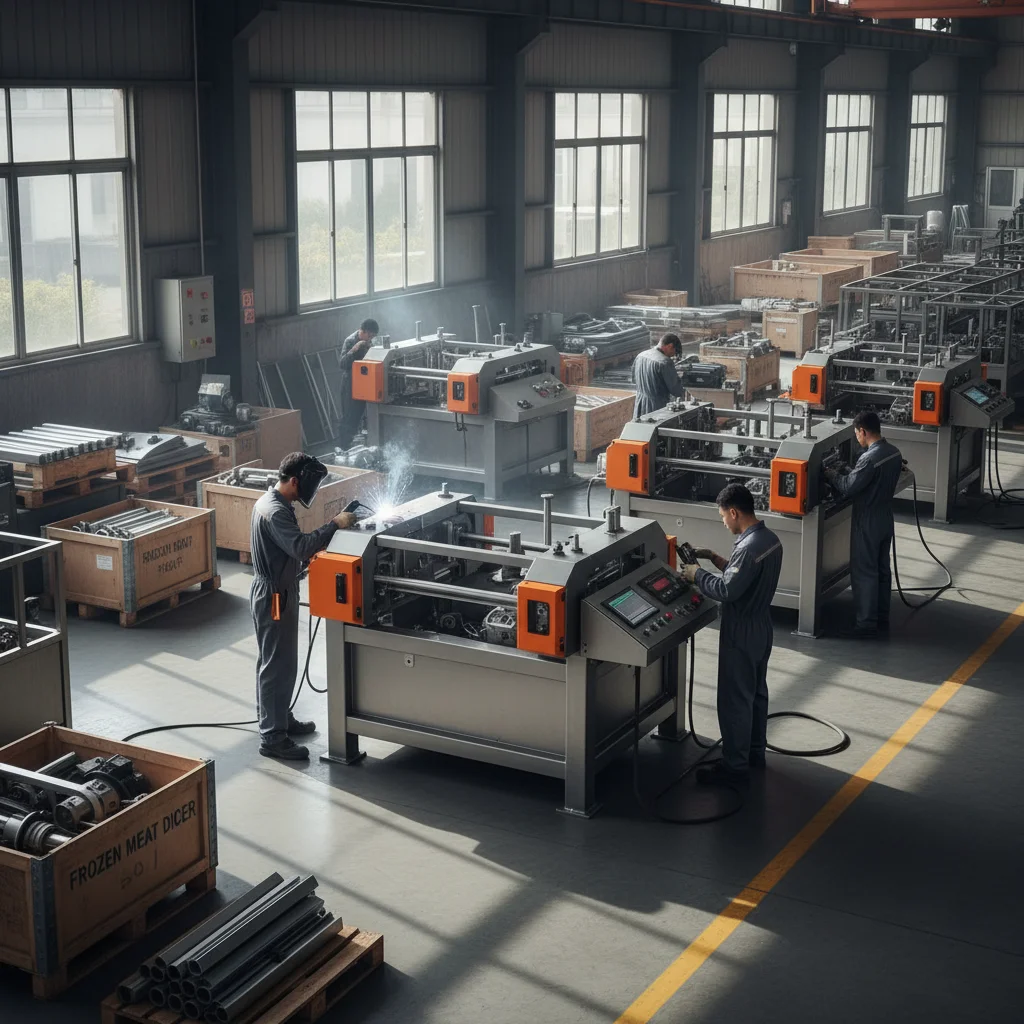
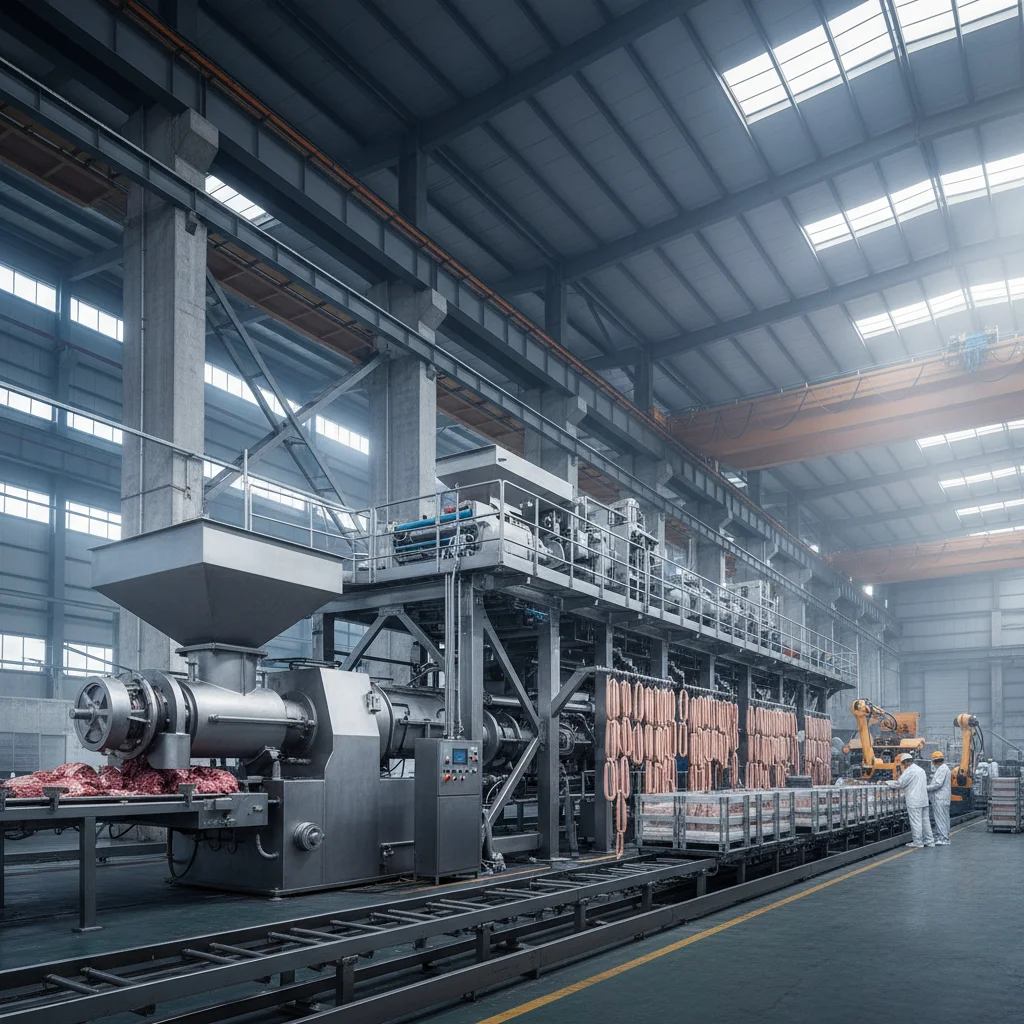
-
 Email: kemaisi17710570236@gmail.com
-
 Tel: +86 18031173072
Email: kemaisi17710570236@gmail.com
Tel: +86 18031173072
April 16, 2026
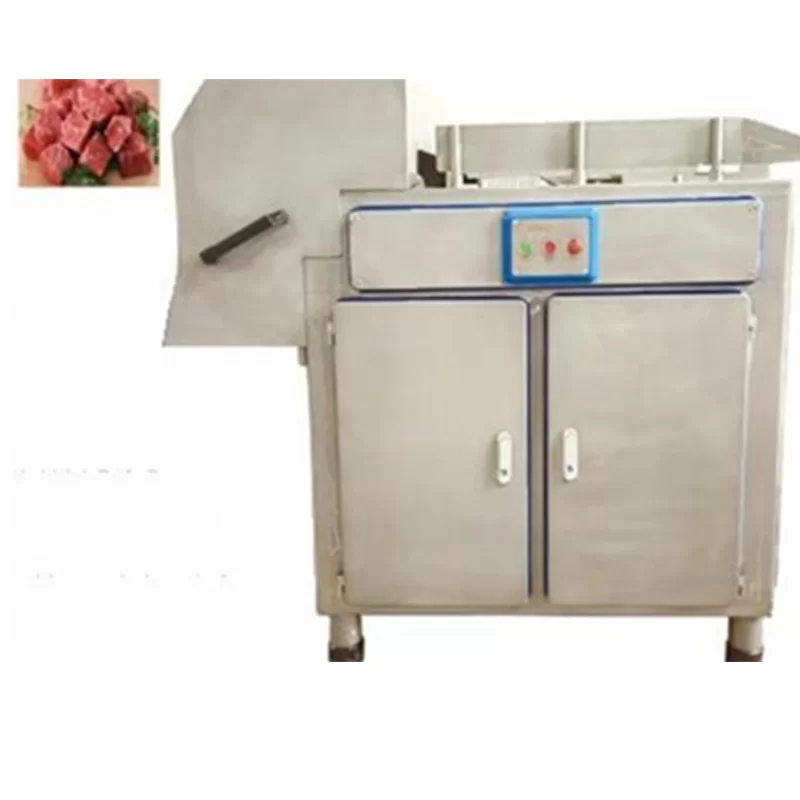
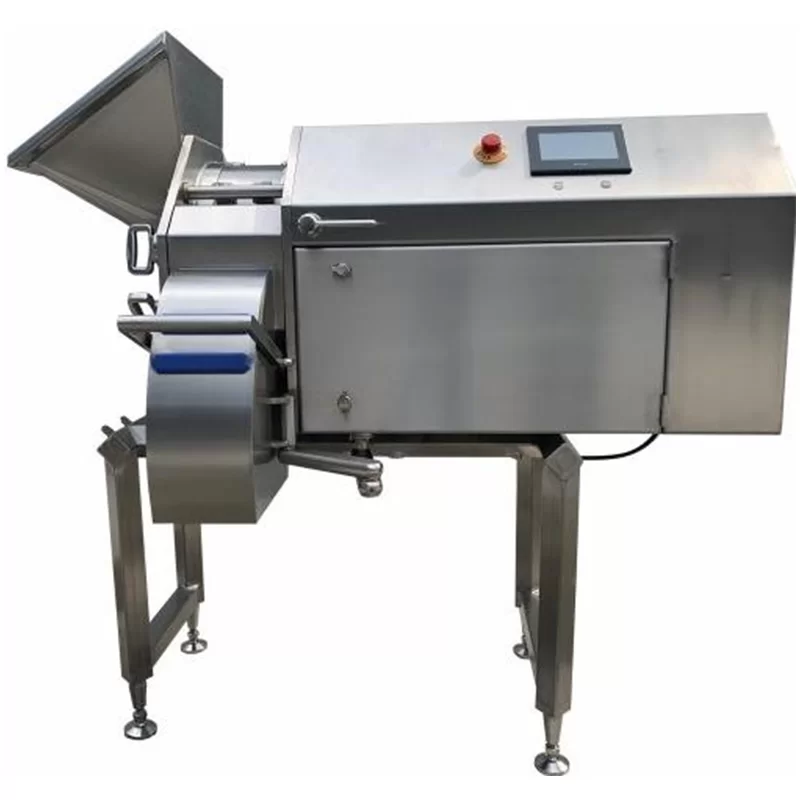
In the fast-paced food processing industry, efficiency and precision are the cornerstones of profitability. Finding a reliable frozen meat dicer Manufacture is essential for businesses looking to automate their cutting processes while maintaining high product quality. Whether you are processing pork, beef, or poultry, a professional-grade dicer ensures uniform cube sizes, reduces waste, and significantly lowers labor costs. In this guide, we will explore the critical factors in selecting a manufacturer and the technical advantages of modern dicing technology to help you optimize your production line.
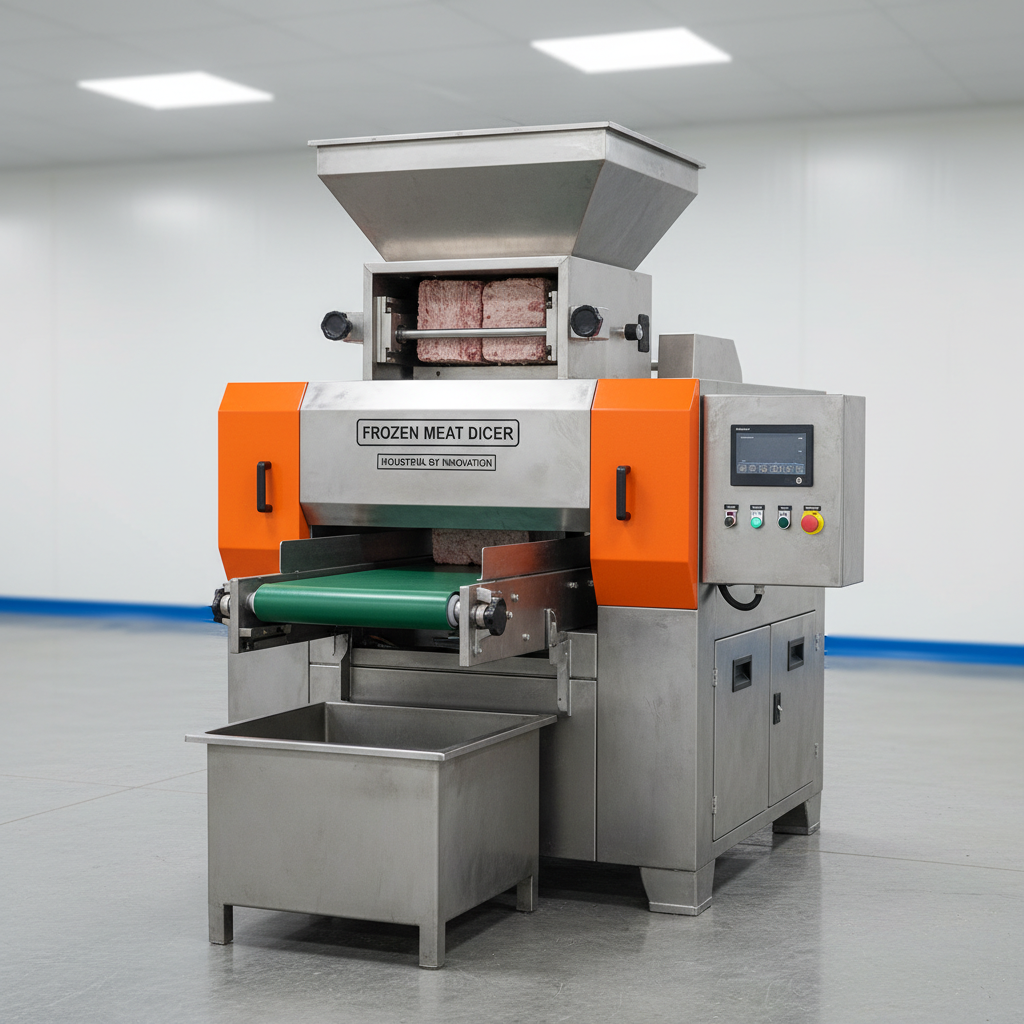
Precision is not just about aesthetics; it is about consistency and yield. A high-quality frozen meat dicer Manufacture focuses on the metallurgy of the blades and the stability of the feeding system. When dealing with frozen proteins, the machine must exert significant force without crushing the meat fibers, which would otherwise lead to "shredding" rather than clean dicing. Advanced blade geometry and high-torque motors allow for clean cuts even at sub-zero temperatures, ensuring that every cube meets the exact specifications required for retail or further processing.
Industry Insight: Uniform dicing not only improves the visual appeal of the product but also ensures consistent cooking and freezing times, which is critical for food safety and quality control in large-scale operations.
When evaluating a partner for your equipment, you must look beyond the price tag. A reputable frozen meat dicer Manufacture should offer machines built with food-grade stainless steel (SUS304 or SUS316) to prevent corrosion and ensure hygiene. Additionally, look for features such as adjustable cutting grids, easy-to-clean modular designs, and integrated safety sensors. The ability to switch between different cube sizes quickly is a competitive advantage that allows your plant to pivot between different product lines with minimal downtime.
Essential Manufacturer Check-list:
• Compliance with international food safety standards (CE, FDA, ISO)
• Availability of genuine replacement blades and spare parts
• Proven track record with high-volume frozen protein processing
• Comprehensive after-sales technical support and installation
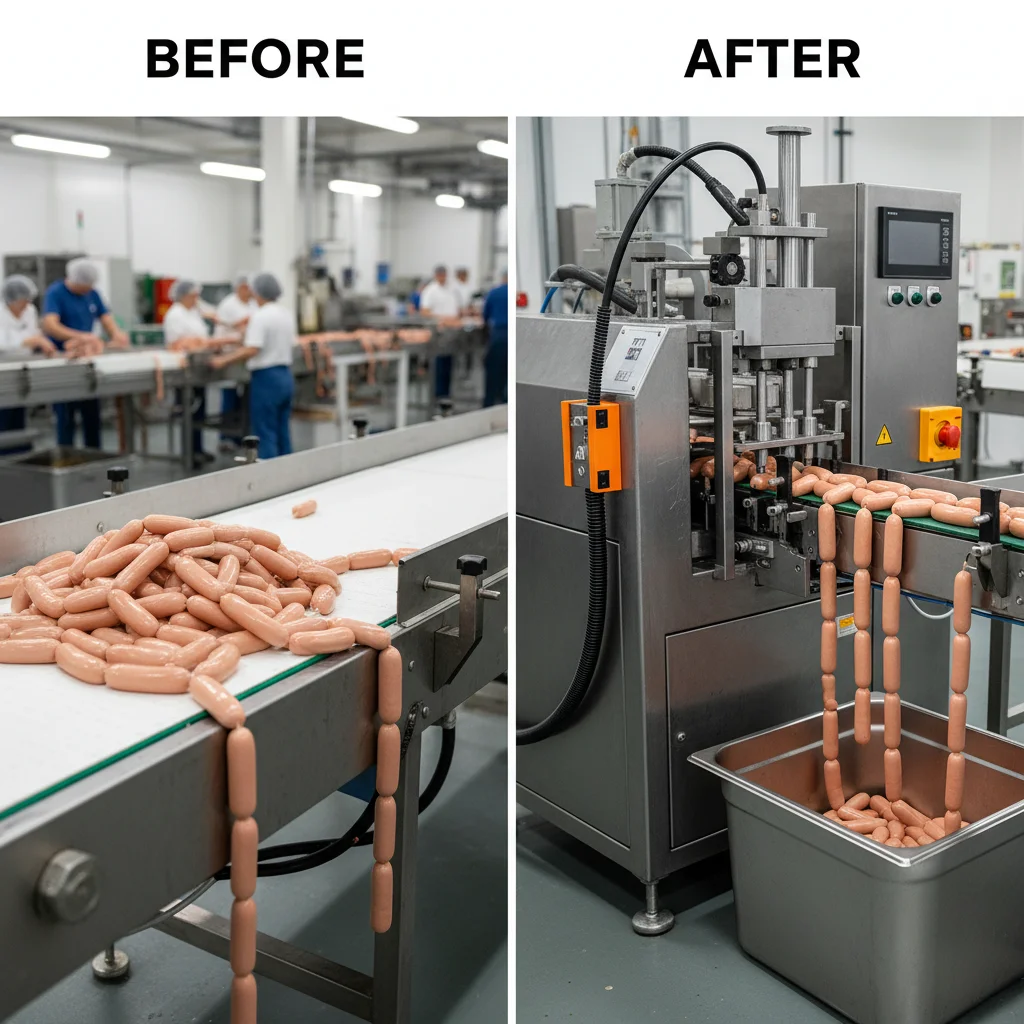
For many small businesses, the transition from manual labor to automation seems daunting. However, the data shows a massive disparity in efficiency. A professional solution from a frozen meat dicer Manufacture eliminates human error and the inherent risks associated with manual cutting of frozen blocks. The automation of this process leads to a higher throughput and a safer working environment for employees.
Integrating a machine from a top-tier frozen meat dicer Manufacture into your workflow requires a strategic approach. The equipment should be placed in a location that minimizes the distance between the cold storage and the packaging area to prevent temperature fluctuations. By utilizing a conveyor-fed system, plants can achieve a seamless flow of material, reducing the handling of the meat and maintaining a strict cold chain. This synergy not only boosts output but also preserves the nutritional integrity and texture of the frozen product.
Understanding the technical side allows you to match the machine to your specific volume needs. A leading frozen meat dicer Manufacture provides a range of models tailored to different scales of production. From small-batch artisanal cutters to high-capacity industrial lines, the specifications typically revolve around power consumption, cutting dimensions, and hourly capacity. Below is a typical specification table for a medium-to-high capacity industrial dicer.
To maximize the return on investment, equipment must be maintained rigorously. Any professional frozen meat dicer Manufacture will emphasize a strict maintenance schedule. This includes the regular sharpening of blades, lubrication of moving parts, and deep cleaning to prevent bacterial buildup. Investing in a machine that is designed for "easy-access" maintenance reduces the time spent on repairs and ensures that your production line remains operational during peak seasons.
Selecting a qualified frozen meat dicer Manufacture is a strategic decision that impacts every aspect of your food processing operation. From increasing hourly throughput and reducing labor costs to ensuring perfect product uniformity, the right machinery transforms your operational capacity. By focusing on material quality, technical precision, and comprehensive support, you can ensure a sustainable growth path for your business. Prioritize quality and efficiency to stay ahead in the competitive meat processing market.
The primary benefits include a massive increase in production speed, unmatched consistency in cube size, and significantly improved worker safety. Unlike manual cutting, an industrial dicer from a professional manufacturer can process hundreds of kilograms per hour with pinpoint accuracy. This consistency is vital for brands that need to maintain a specific product standard across all batches, reducing waste and increasing the overall market value of the processed meat.
Yes, most high-quality frozen meat dicers are versatile and can handle a variety of proteins including beef, pork, poultry, and even certain types of firm frozen vegetables. The key is the adjustment of the feeding speed and the selection of the appropriate blade thickness. A reputable manufacturer will provide guidance on how to optimize the machine settings based on the density and freezing temperature of the specific meat type being processed to ensure the cleanest possible cut.
Blade maintenance depends entirely on the volume of production and the hardness of the frozen product. However, as a general rule, blades should be inspected daily for nicks or dullness. Professional sharpening is typically required every few weeks of heavy use, while full blade replacement occurs every 6-12 months depending on the material grade. Regular maintenance prevents the machine from "tearing" the meat, which preserves the product's aesthetic and structural quality. For detailed schedules, always refer to the guidelines provided by your frozen meat dicer Manufacture.
Modern machines are designed specifically with hygiene in mind. Most reputable manufacturers utilize a modular design that allows operators to quickly disassemble the cutting chamber and blades without the need for specialized tools. Using food-grade stainless steel ensures that the surfaces are non-porous and resistant to harsh cleaning agents. Following a daily "Wash-Down" procedure ensures compliance with HACCP and other food safety regulations, preventing cross-contamination and ensuring a sterile production environment.
If you are interested in our products, you can choose to leave your information here, and we will be in touch with you shortly.