-
 Email: kemaisi17710570236@gmail.com
-
 Tel: +86 18031173072
Email: kemaisi17710570236@gmail.com
Tel: +86 18031173072
March 26, 2026
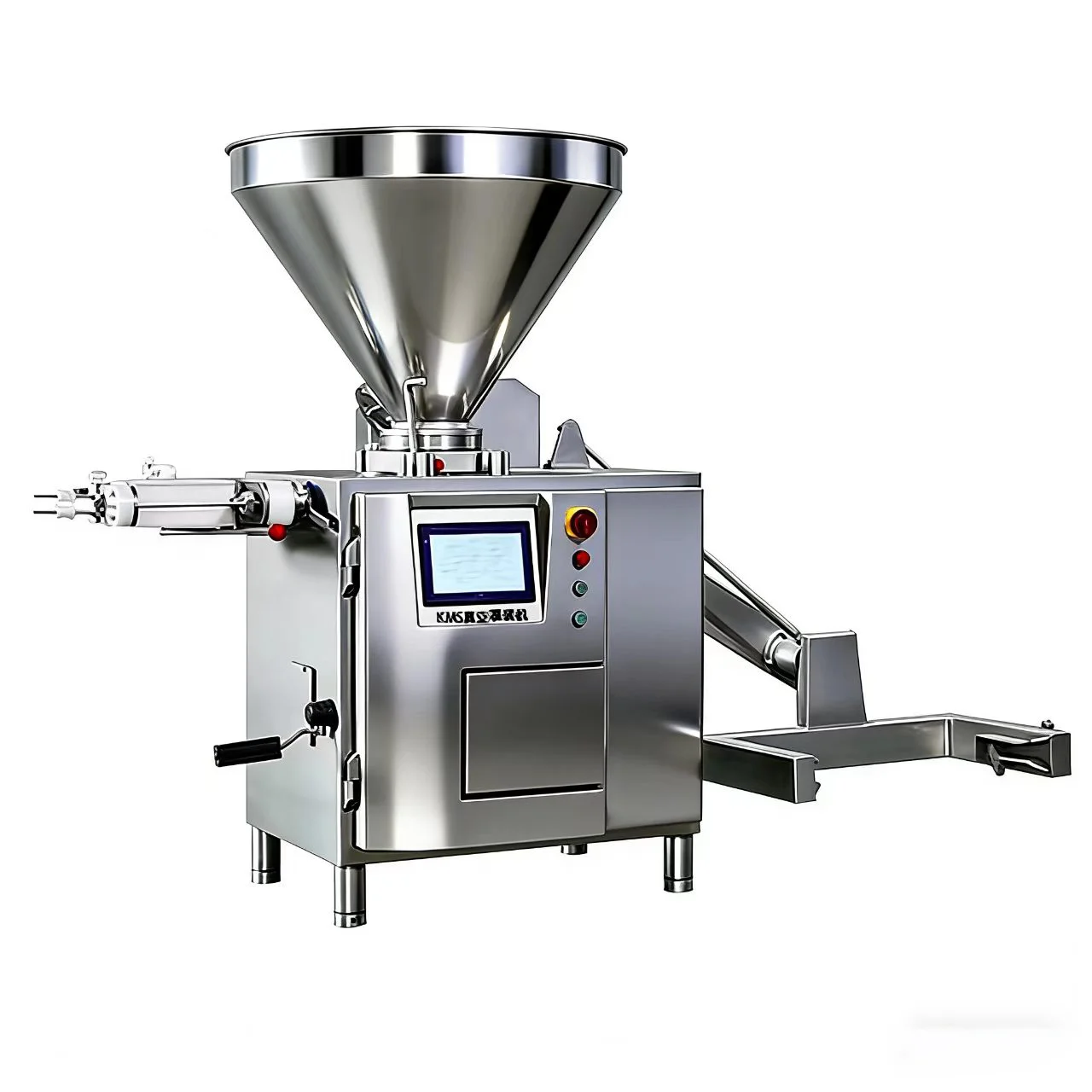
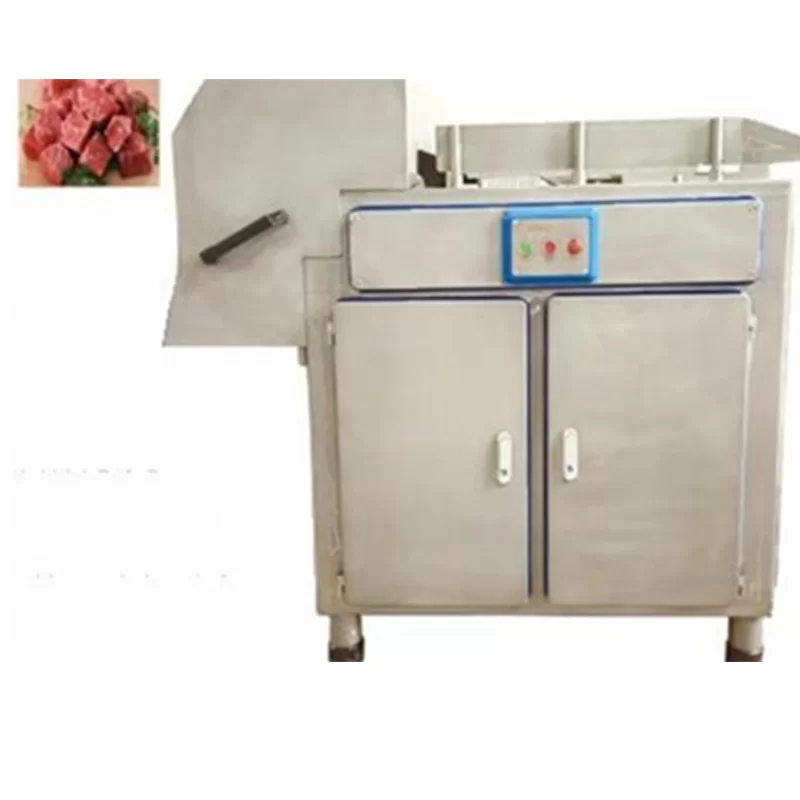
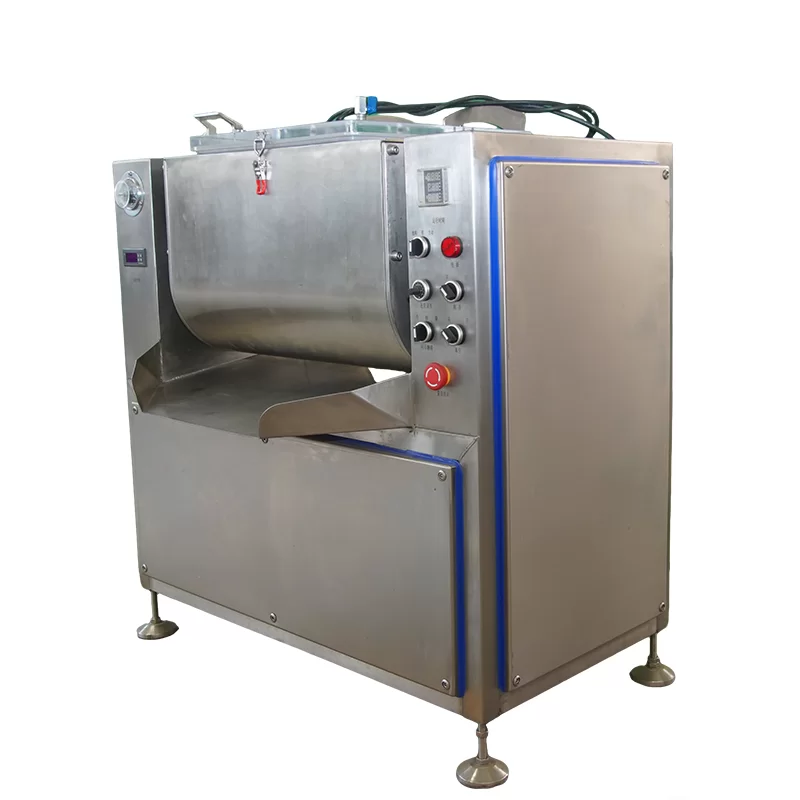
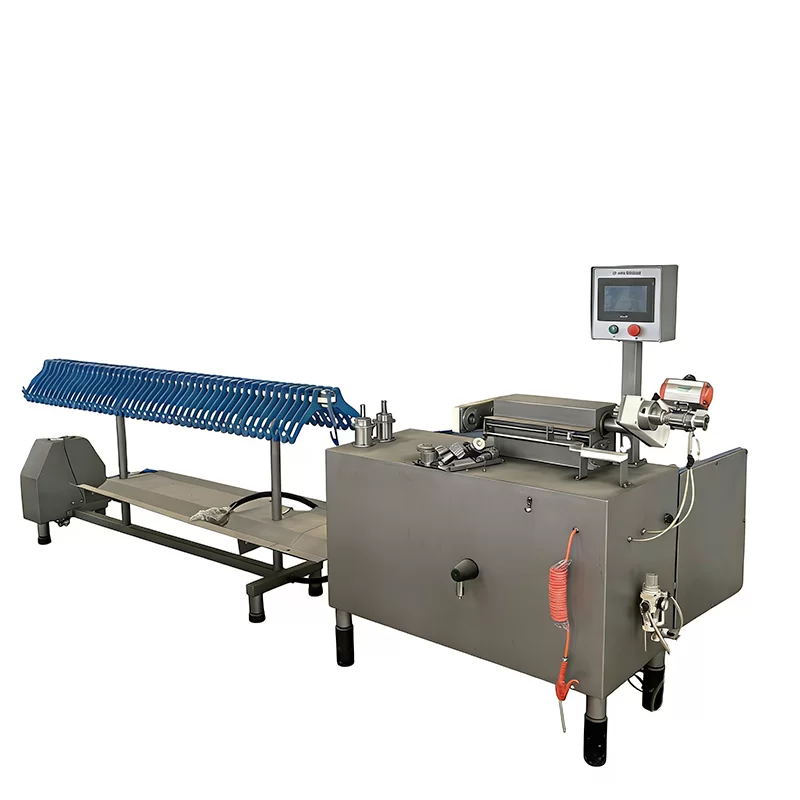
The process of stuffing sausage with a meat grinder is a cornerstone of modern food production, ensuring efficient and hygienic creation of a wide variety of sausage products. From small-scale butcher shops to large industrial facilities, the quality of the sausage relies heavily on the efficiency and precision of the equipment used. This article delves into the intricacies of the process, exploring the manufacturing of meat grinders for sausage making, key considerations for choosing the right equipment, and best practices for optimal results. Understanding the nuances of this process is vital for anyone involved in meat processing, ensuring product consistency, safety, and efficiency.
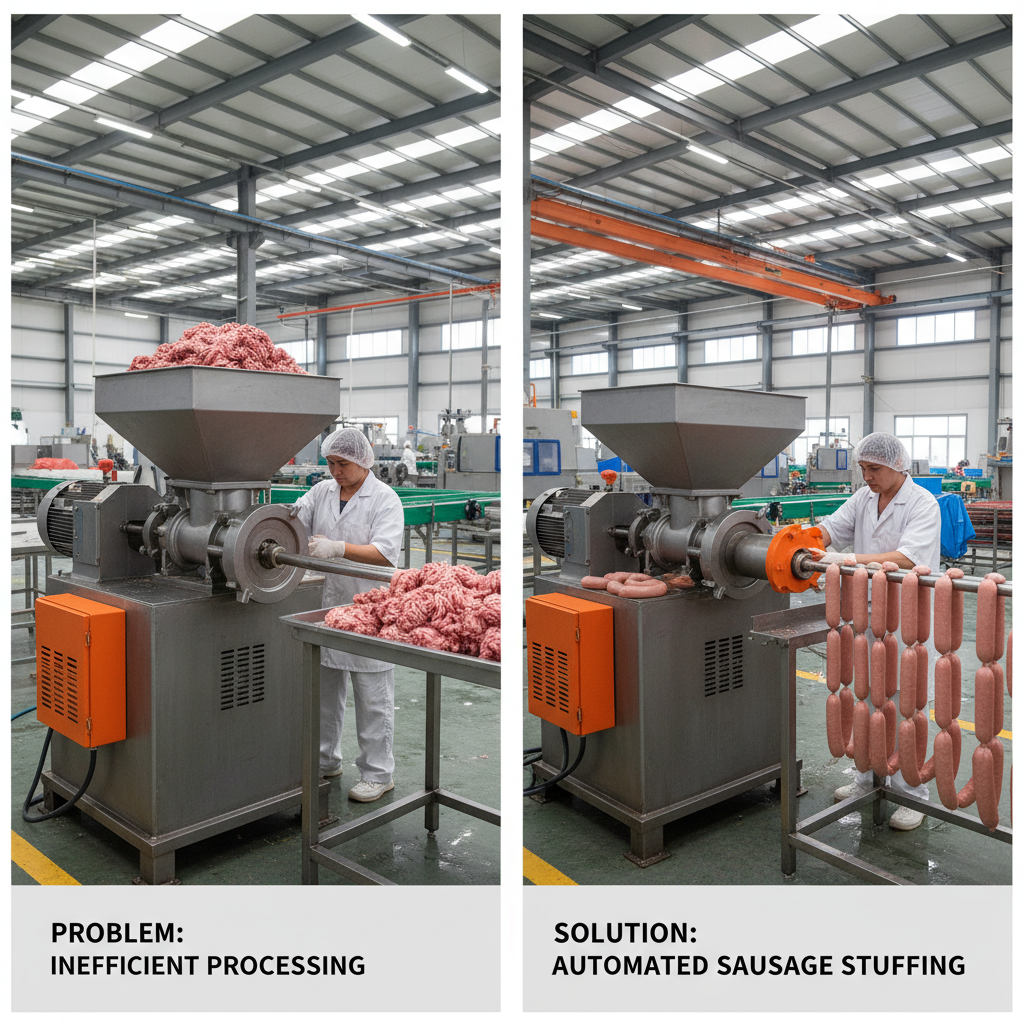
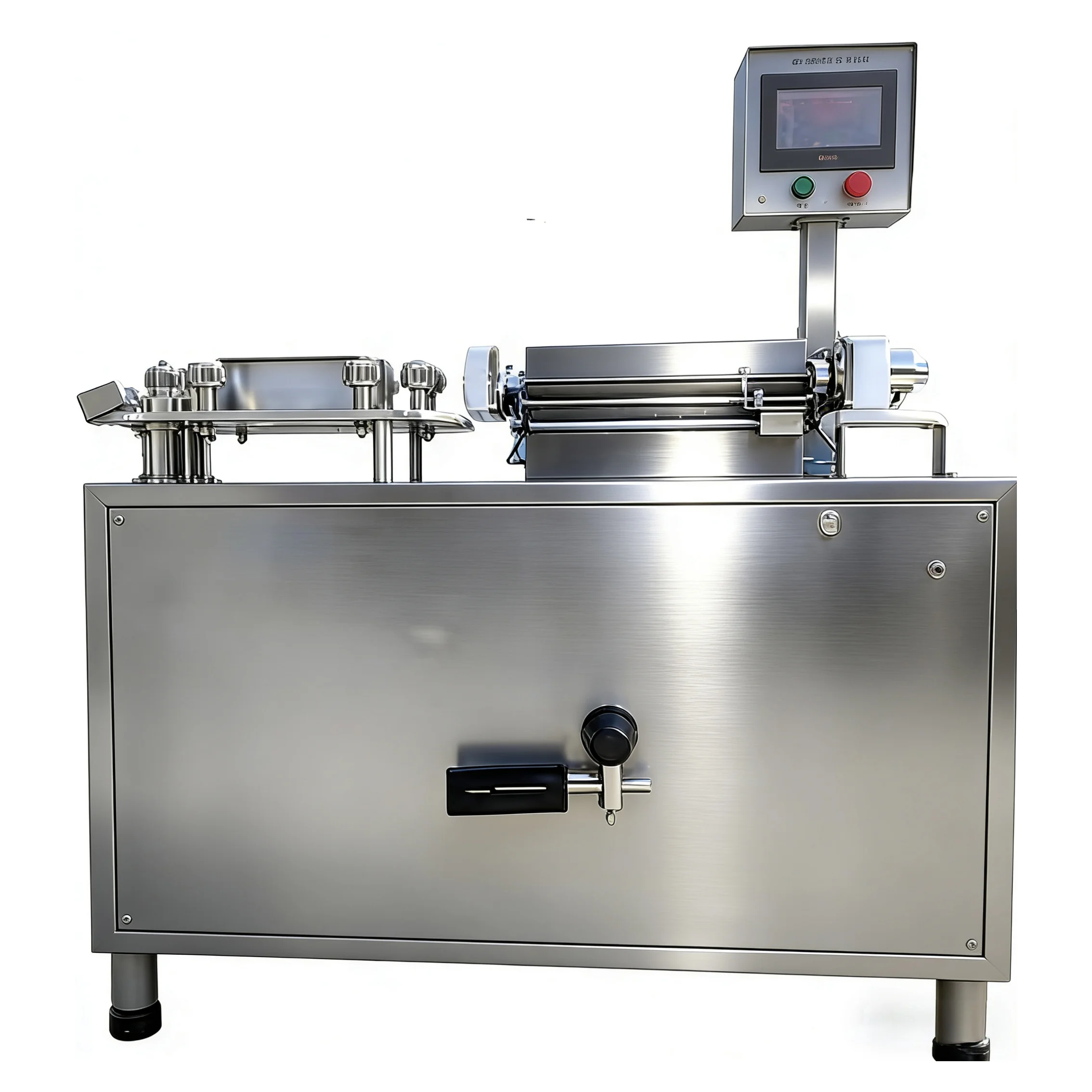
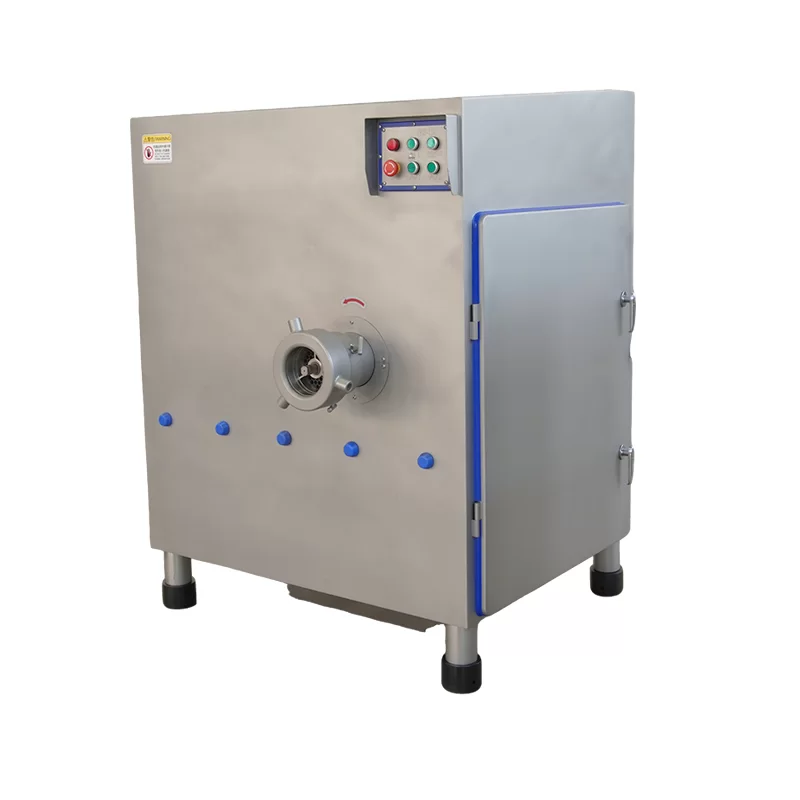
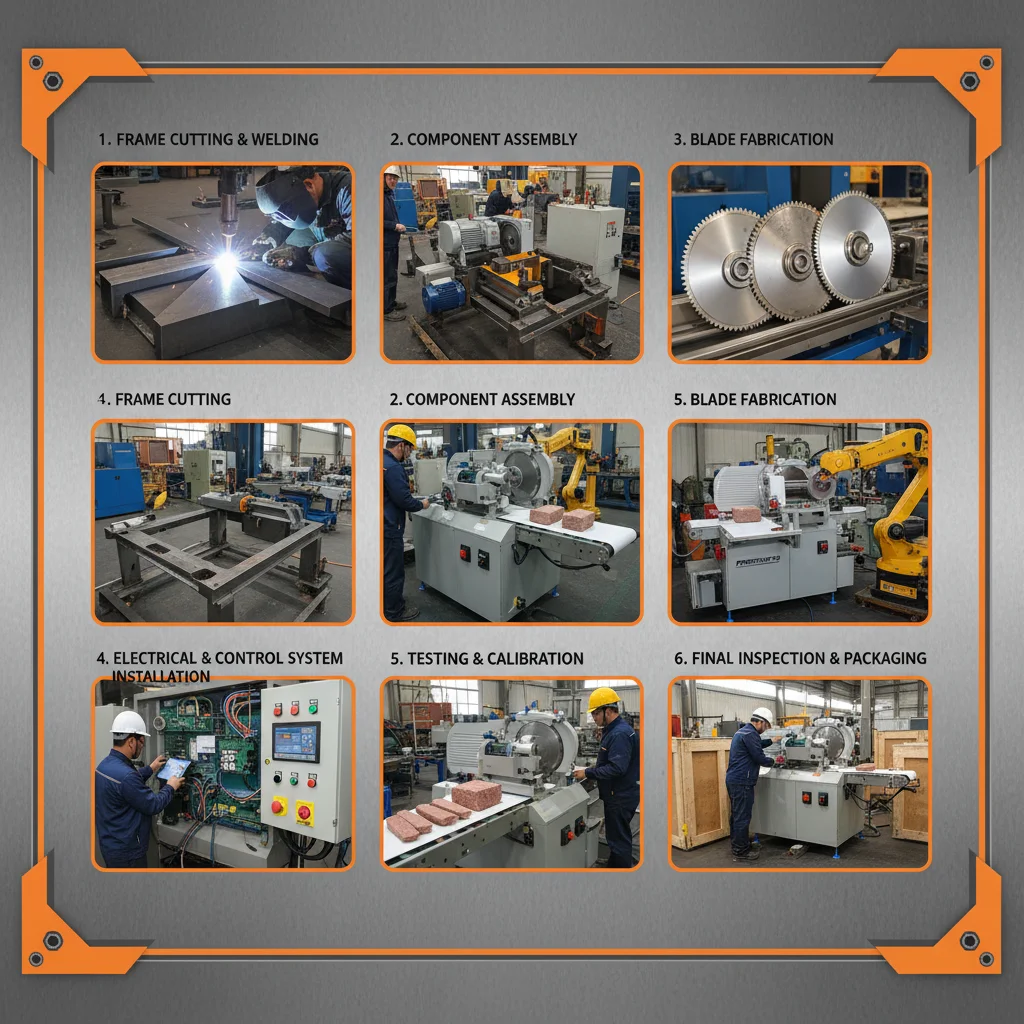
Manufacturing a high-quality meat grinder for sausage stuffing involves several key stages. The process typically begins with material selection, with stainless steel being the dominant choice due to its hygiene, durability, and resistance to corrosion. This is followed by precision machining of the grinder's various components – the housing, grinding plates, blades, auger, and stuffing horn. Quality control is paramount throughout the entire process, with rigorous testing performed on each component to ensure it meets stringent safety and performance standards. Assembly is often automated, followed by final inspection and packaging. Hamkms specializes in this precision manufacturing, utilizing advanced technology to deliver superior grinding solutions.
Key Manufacturing Considerations: Stainless steel quality, precise machining tolerances, rigorous quality control testing, and efficient assembly processes are crucial for producing durable and reliable meat grinders.
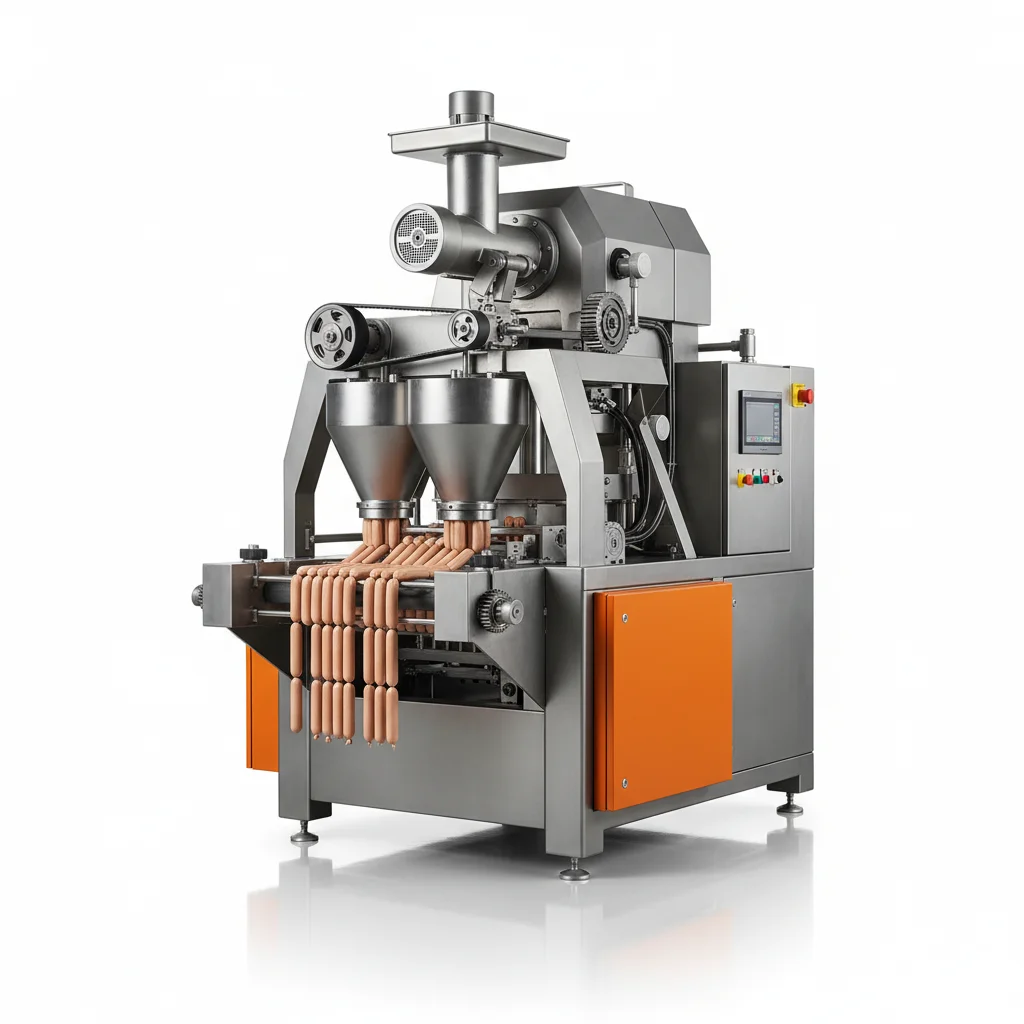
A typical meat grinder for sausage stuffing consists of several essential components. The housing provides structural support and contains the internal mechanisms. The grinding plates, available in various perforation sizes, determine the fineness of the grind. The self-sharpening blades are responsible for cutting the meat, while the auger transports the meat towards the grinding plates. The stuffing horn, attached to the grinder, facilitates the filling of sausage casings. Finally, the motor provides the power to drive the grinding process. Hamkms offers a comprehensive range of these components, engineered for optimal performance and longevity.
Component Functions:
• Housing: Structural Support
• Grinding Plates: Grind Fineness Control
• Blades: Meat Cutting
• Auger: Meat Transportation
• Stuffing Horn: Casings Filling
Meat grinders for sausage stuffing come in both manual and electric varieties. Manual grinders are generally smaller, more affordable, and suitable for small-batch production. They rely on hand-cranking to operate. Electric grinders, on the other hand, offer significantly higher speed and efficiency, making them ideal for larger-scale operations. They are powered by an electric motor and can handle larger volumes of meat with less effort. The choice between the two depends on your specific needs and production requirements.
Selecting the appropriate meat grinder for your sausage stuffing needs requires careful consideration of several factors. Capacity is a primary concern – determine the volume of sausage you need to produce. Motor power is also critical, especially for electric grinders, as it directly impacts performance and durability. The materials used in construction are important, with stainless steel being the preferred choice for hygiene and longevity. Finally, consider the availability of replacement parts and the manufacturer's warranty. Hamkms offers expert advice and a wide selection of grinders to suit diverse needs.
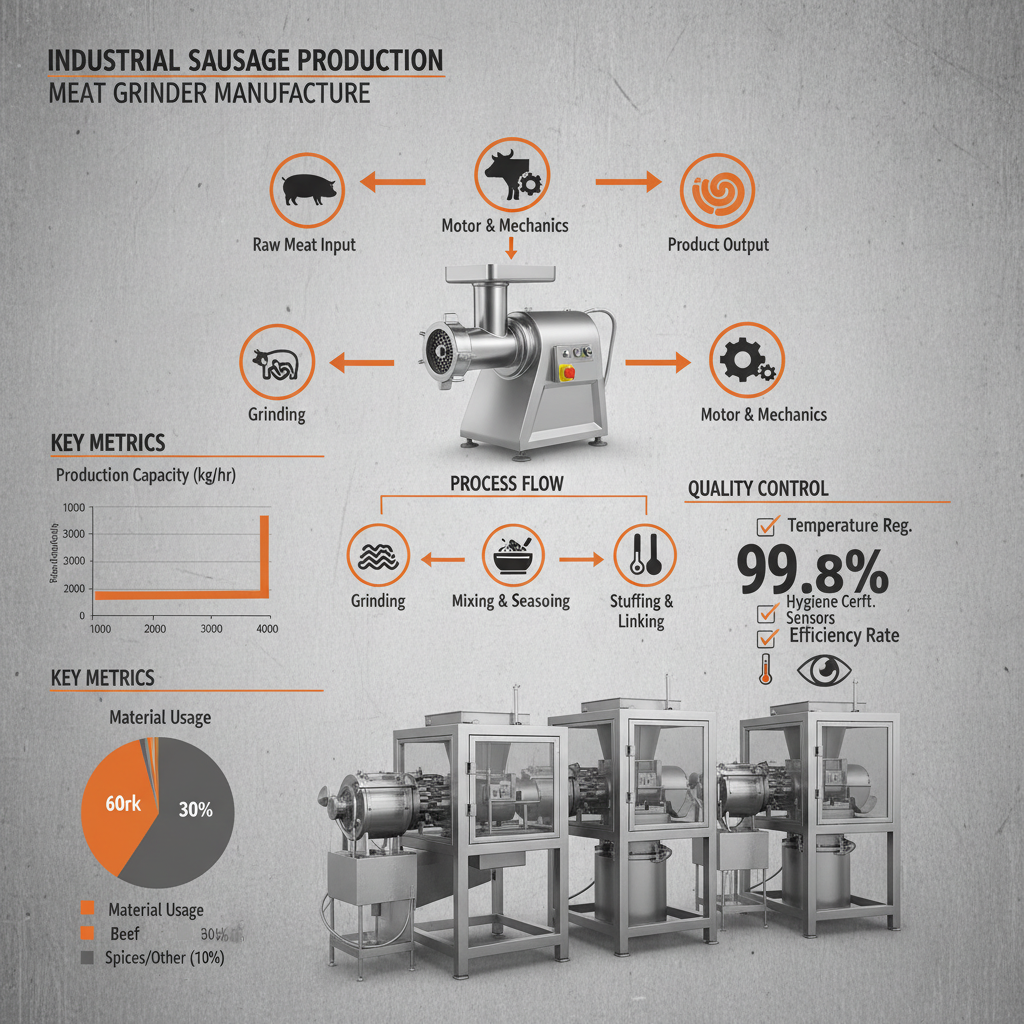
Maintaining proper hygiene and performing regular maintenance are crucial for ensuring the longevity and safety of your meat grinder. After each use, thoroughly clean all components with hot, soapy water and sanitize them appropriately. Regularly sharpen or replace the blades to maintain optimal grinding performance. Lubricate moving parts as recommended by the manufacturer. Regular inspection for wear and tear can help prevent costly repairs and ensure consistent operation.
Investing in a high-quality meat grinder and implementing a consistent maintenance routine is essential for producing safe, high-quality sausage products. Properly maintained equipment ensures optimal performance, extends the lifespan of the grinder, and minimizes the risk of contamination. With the right equipment and practices, you can consistently deliver delicious and safe sausage to your customers.
The ideal grinding plate size depends on the desired texture of the sausage. For coarse sausages like Italian sausage, a larger perforation size (e.g., 8mm or 10mm) is suitable. For finer sausages like breakfast sausage, a smaller perforation size (e.g., 3mm or 4.5mm) is preferred. Experimenting with different plate sizes allows you to achieve your desired consistency. Some recipes call for multiple grinds with progressively smaller plates for an exceptionally smooth texture.
The frequency of blade sharpening depends on usage and the type of meat being processed. Generally, blades should be sharpened every 2-3 months with regular use. However, if you notice the grinder struggling to process meat or producing a ragged grind, it’s time to sharpen the blades. Dull blades increase processing time and can potentially damage the grinder.
Always unplug the grinder before disassembling or cleaning it. Never insert your hands into the grinder while it is running. Use the provided stomper to push meat through the grinder, never your fingers. Wear appropriate safety gear, such as gloves and eye protection. Ensure the grinder is placed on a stable surface before operating it.
Stainless steel is the most common material used in high-quality meat grinder construction due to its durability, hygiene, and resistance to corrosion. Aluminum is sometimes used for lighter components, but stainless steel is preferred for parts that come into direct contact with meat. High-quality plastic components may also be used for certain parts, but they should be food-grade and BPA-free.
If you are interested in our products, you can choose to leave your information here, and we will be in touch with you shortly.