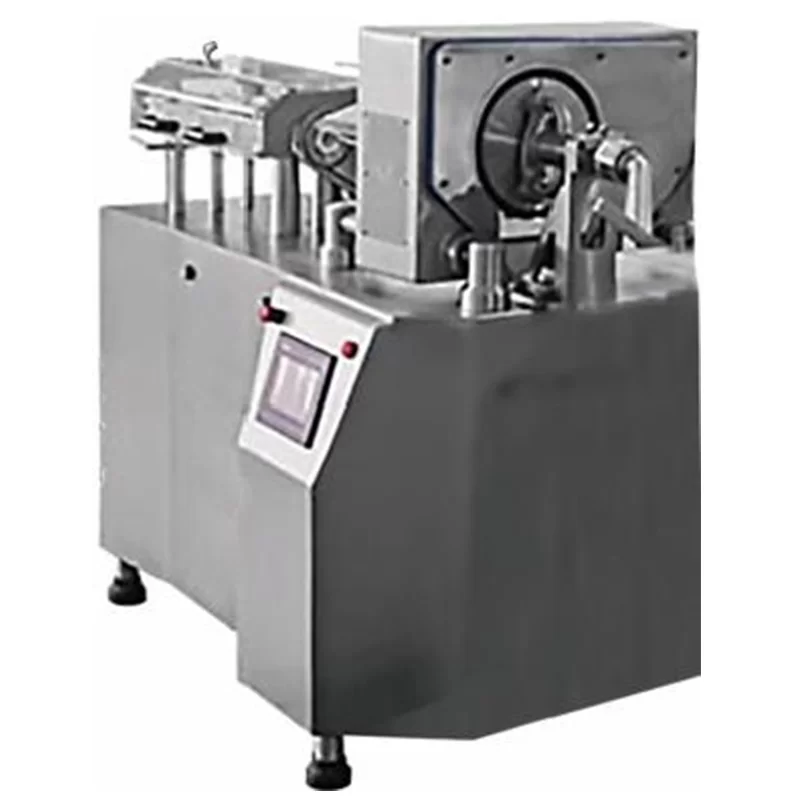
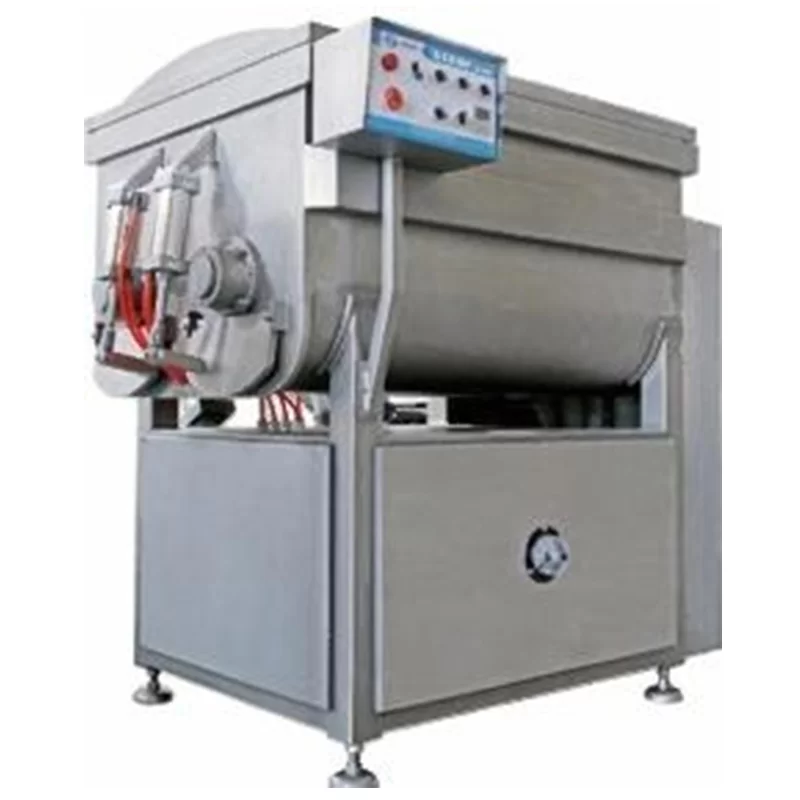
The German food manufacturing sector is currently characterized by a critical transition toward hyper-automation. With rising labor costs in Western Europe, processors are increasingly relying on a high-performance meat slicer frozen beef to reduce manual labor and ensure consistent slice thickness, which is essential for high-end retail packaging in the DACH region.
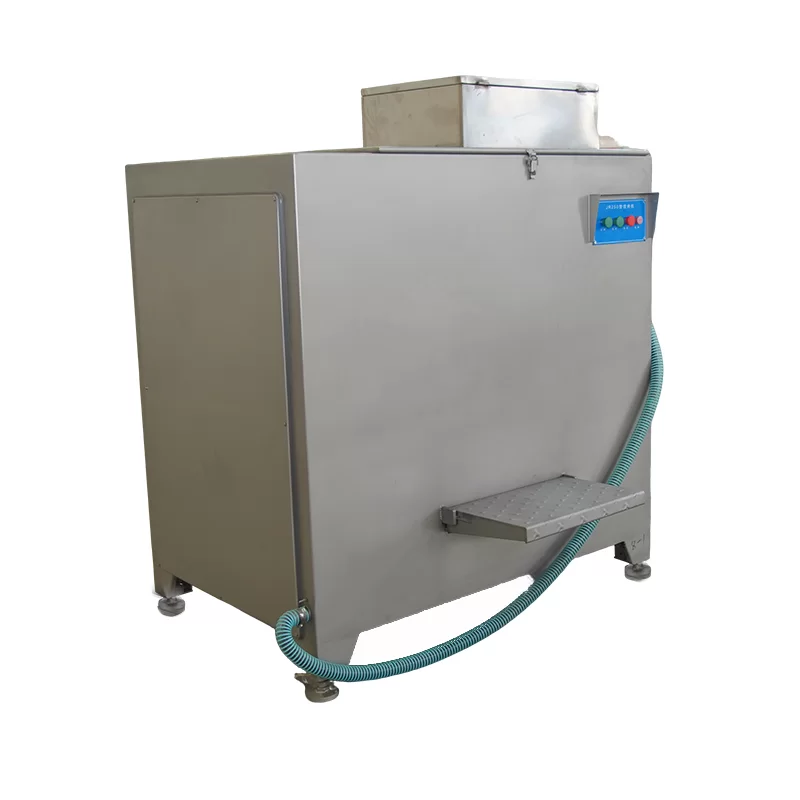
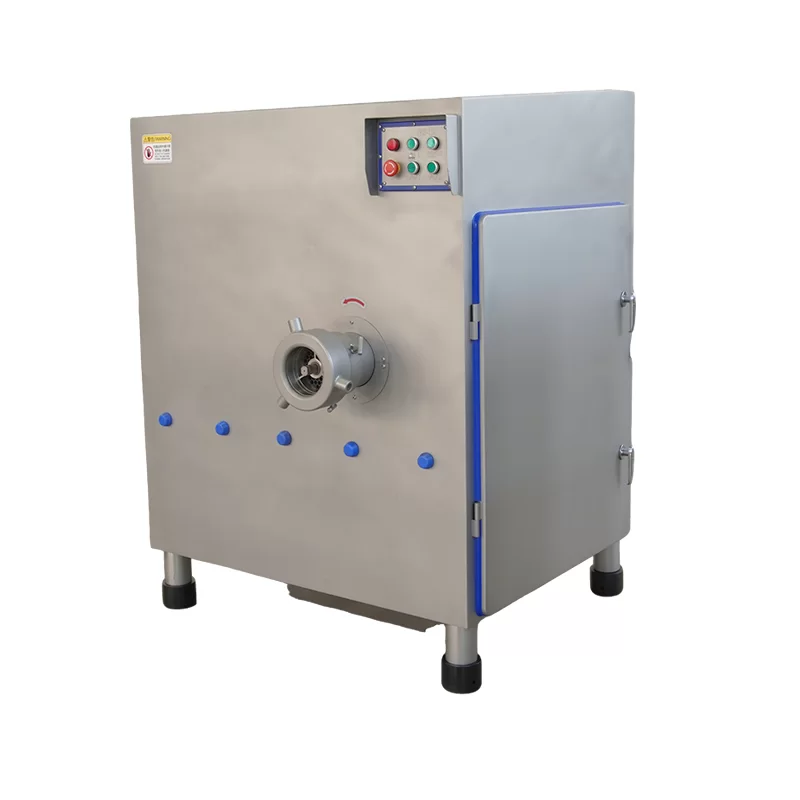
Climate-controlled logistics in Germany have expanded the demand for "frozen-to-cut" workflows. Instead of costly tempering processes, factories are integrating an electric frozen meat cutter directly into their cold chain, allowing for immediate processing of blast-frozen proteins without compromising cellular structure or hygiene.
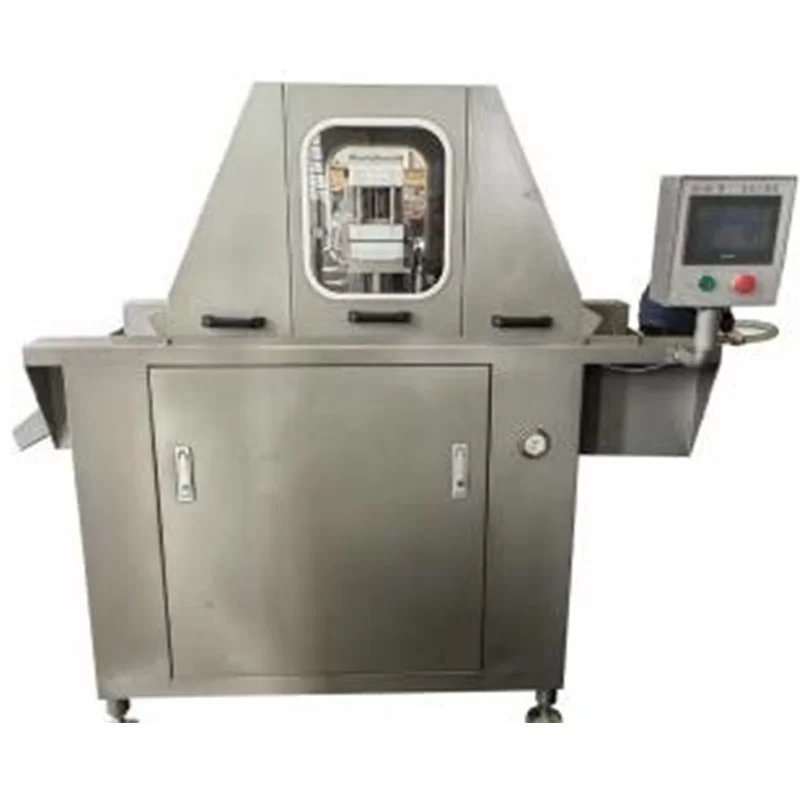
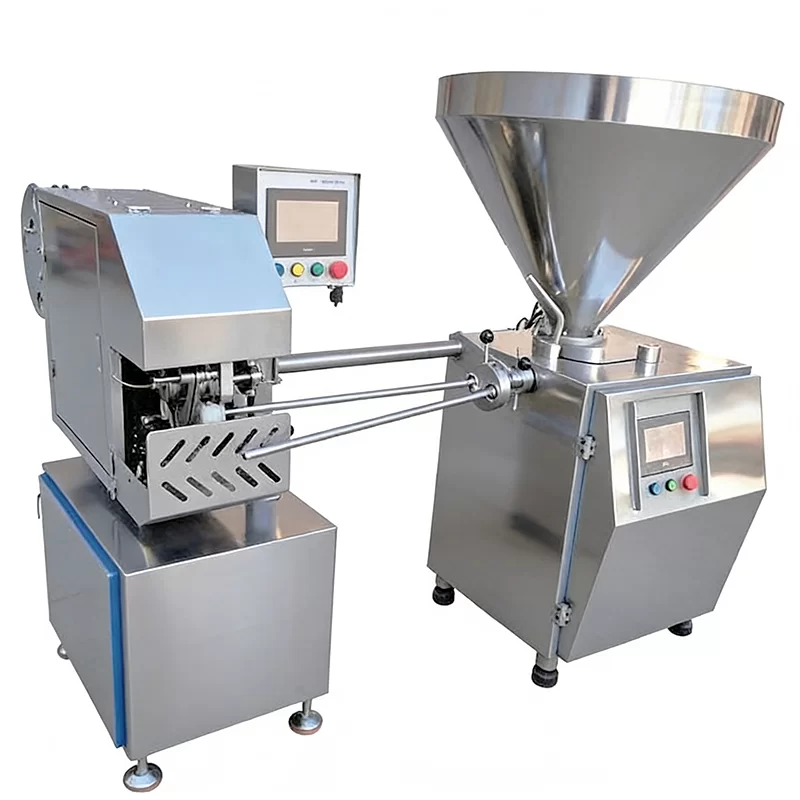
Furthermore, the traditional German "Wurst" culture continues to evolve. While craftsmanship remains valued, the volume requirements for export and domestic supermarket chains demand a precision sausage filling machine that can handle various emulsion viscosities while maintaining the strict weight tolerances required by German consumer protection laws.