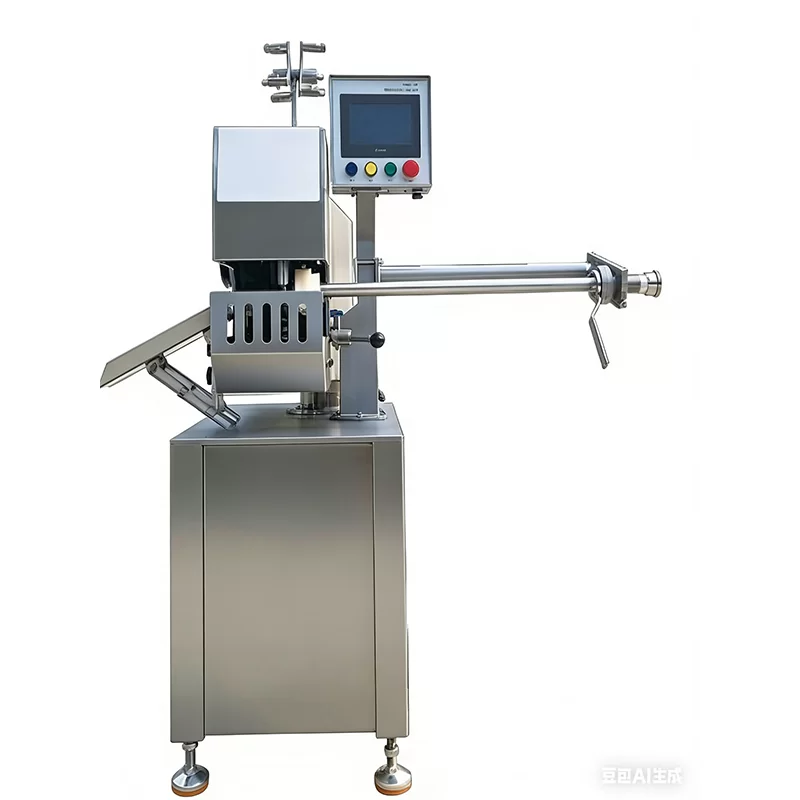
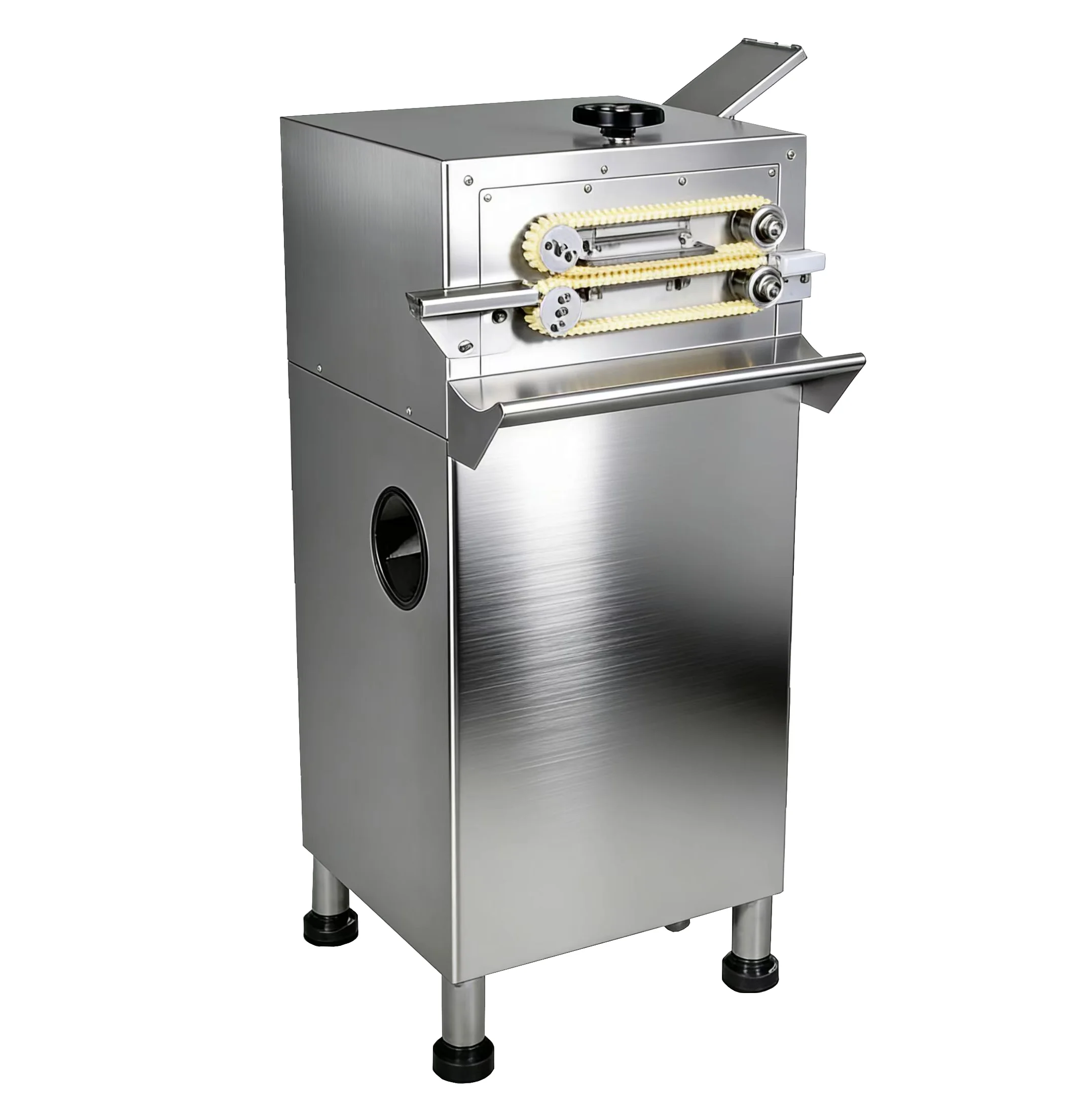
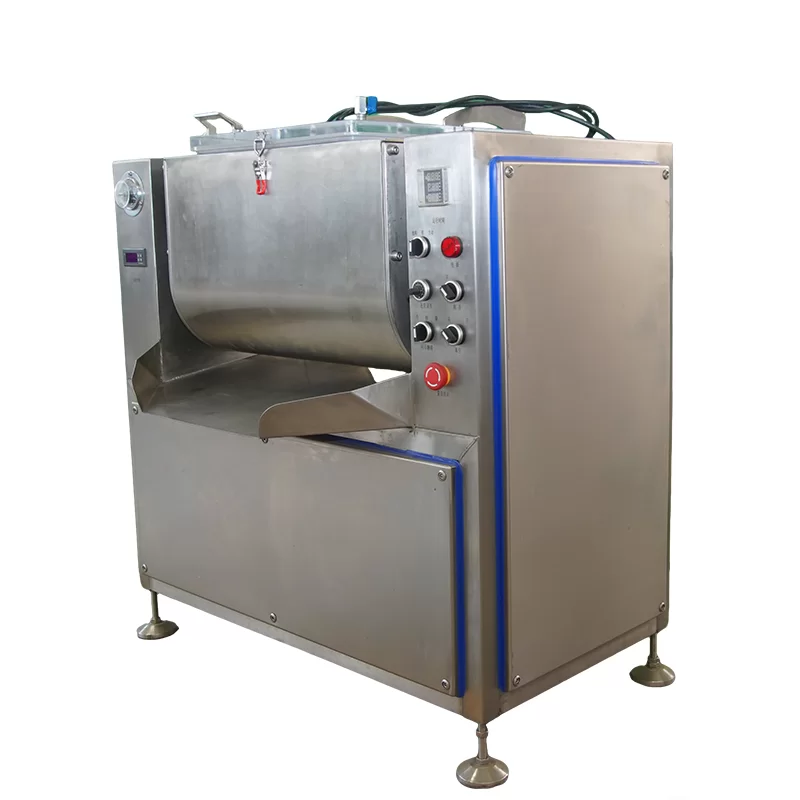
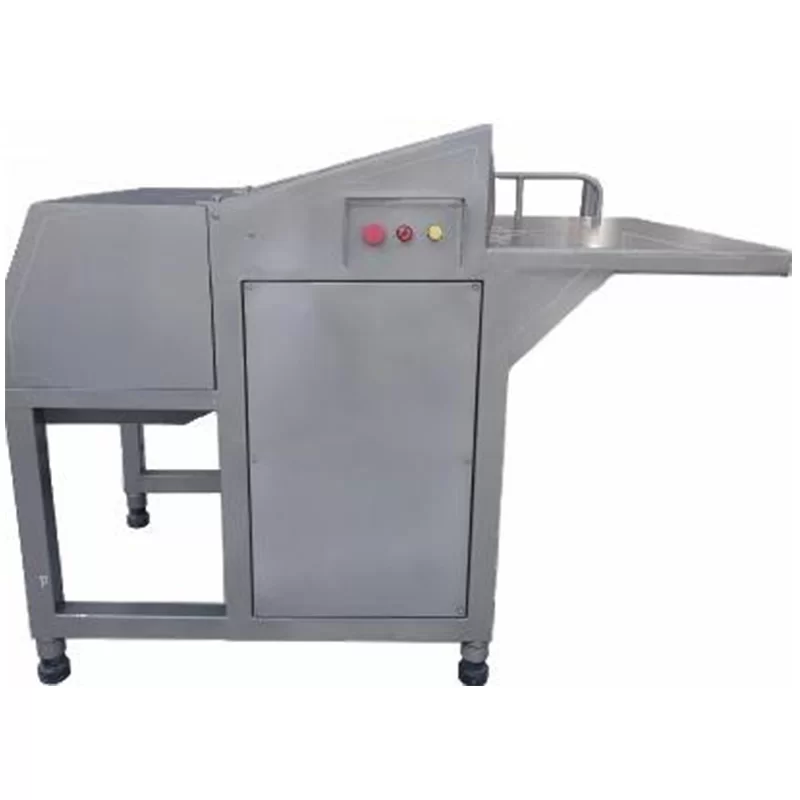
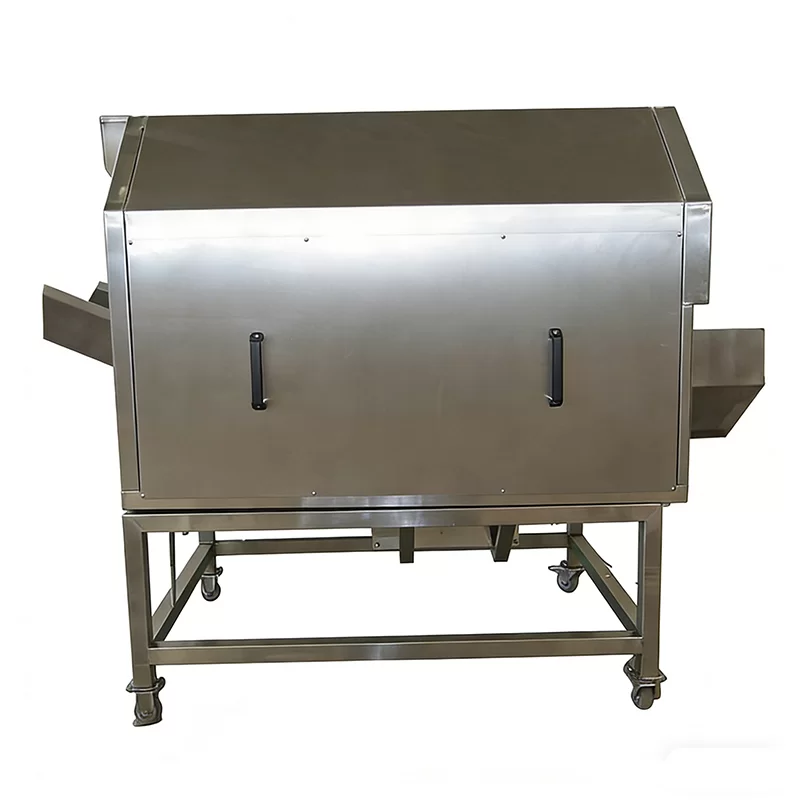
Advanced Meat Processing Solutions for Nigeria featuring electric frozen meat cutter
  • Home
  • Global Service
  • Advanced Meat Processing Solutions for Nigeria featuring electric frozen meat cutter

Advanced Meat Processing Solutions for Nigeria featuring electric frozen meat cutter

Empowering Nigerian food manufacturers with industrial-grade precision, enhancing productivity and hygiene in the West African meat processing sector.

Advanced Meat Processing Solutions for Nigeria featuring electric frozen meat cutter

High-efficiency machinery designed to optimize meat cutting, filling, and packaging for the rapidly growing Nigerian food industry.

Current Landscape of Meat Processing in Nigeria

Navigating the challenges of cold chain logistics and production efficiency in Lagos, Kano, and beyond.

The Nigerian meat processing market is currently characterized by a transition from artisanal methods to semi-industrialization. Due to the tropical climate and intermittent power supply, maintaining the cold chain is a significant hurdle, making the demand for a robust meat slicer frozen beef essential for minimizing thaw-refreeze cycles during processing.

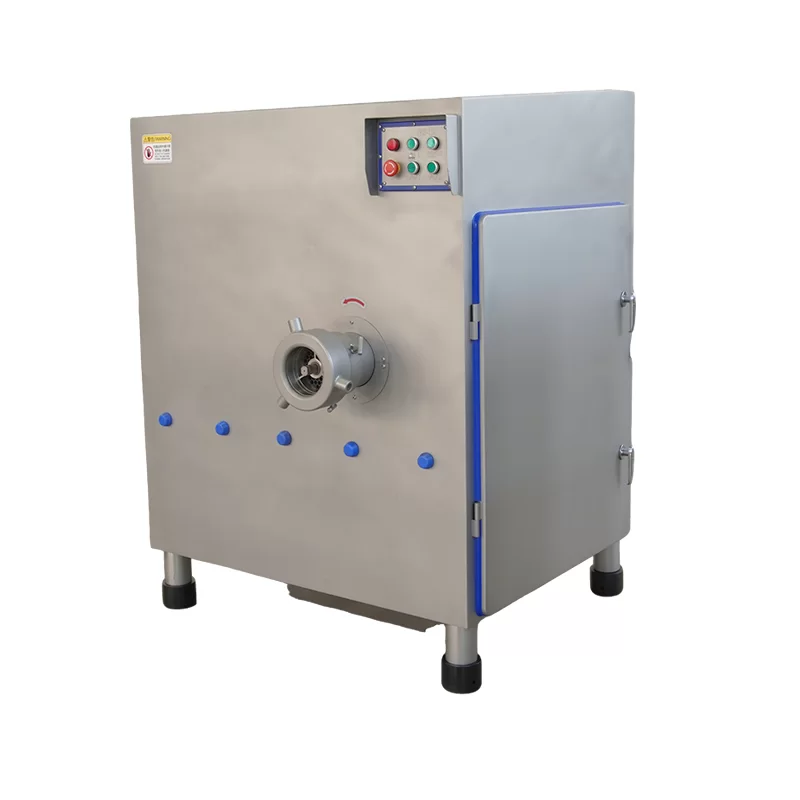
Local producers are increasingly facing pressure to meet international hygiene standards to facilitate exports and urban distribution. This shift has sparked a surge in the adoption of the frozen chicken cutting machine, allowing plants to process imported and local poultry more rapidly while reducing manual labor costs.

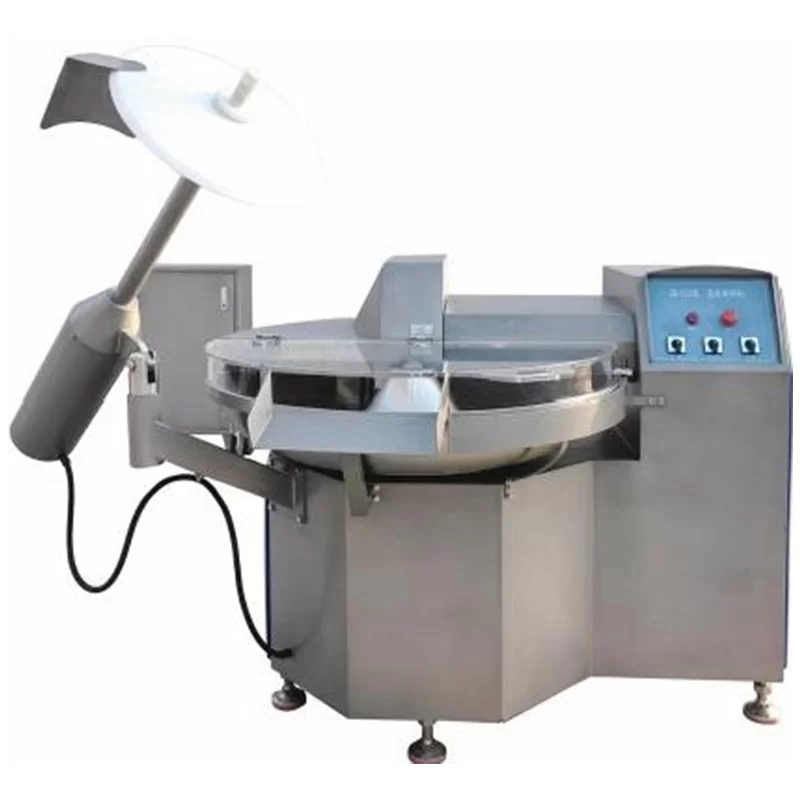
Economic fluctuations and the rise of processed meat snacks (suya-inspired sausages) have created a niche for specialized equipment. Consequently, the integration of an automated sausage filling machine is becoming a strategic priority for SMEs looking to scale their operations in Nigerian metropolitan areas.
Technological Evolution and Growth Trajectory

From manual cleavers to intelligent automated slicing and knotting systems.

Market Development History

Prior to 2010, the Nigerian meat sector relied heavily on manual cutting and stuffing techniques, which resulted in inconsistent product quality and high wastage rates. The early 2010s saw the introduction of basic electric slicers, marking the first step toward mechanical standardization.

Between 2015 and 2022, the "industrialization wave" hit the food sector. Nigerian entrepreneurs began importing high-torque machinery, such as the electric frozen meat cutter, to handle high-volume frozen imports, significantly reducing the time required for portioning beef and pork.

Current iterations focus on end-of-line automation. The adoption of professional knotting machines has evolved from simple twine tying to high-speed automated casing closure, ensuring leak-proof packaging for long-distance transport across Nigeria's diverse states.

Future Development Trends

Energy-Efficient Hybrid Power Systems

Future machinery will integrate inverter technology to handle voltage fluctuations common in Nigeria, ensuring the longevity of motors in cutting and filling equipment.

Modular Precision Engineering

A move toward interchangeable blade systems that allow a single machine to switch between dicing, slicing, and shredding to maximize ROI for small-scale processors.

IoT-Enabled Production Monitoring

Integration of smart sensors to monitor temperature and cutting precision in real-time, reducing waste and ensuring strict adherence to NAFDAC regulations.

Industry Trends and Future Outlook

Strategic directions for the Nigerian food machinery sector over the next 5 years.

Automation of Portioning
Rapid transition from manual slicing to AI-driven portion control to minimize raw material waste.
Cold Chain Integration
Machinery optimized for ultra-low temperatures to prevent meat degradation in high-humidity environments.
Sustainable Packaging
Integration of biodegradable casing systems with advanced knotting technologies.
Compliance Scaling
Designing equipment that simplifies the process of achieving ISO and HACCP certifications for local firms.

Industry Outlook

Based on Google search trends in the West African region, there is a growing interest in "industrial food processing" and "meat value addition." We anticipate a 15% annual increase in the demand for high-capacity cutting and filling machines as Nigeria focuses on reducing food imports.

The convergence of urbanization and the rise of the middle class in cities like Abuja will drive the shift toward pre-packaged, sliced, and processed meat products, creating a permanent market for high-end processing equipment.

Localized Application Scenarios in Nigeria

Practical implementations of meat processing technology across various Nigerian business models.

01. Industrial Poultry Hubs in Ogun State

Large-scale poultry farms utilize the frozen chicken cutting machine to rapidly process frozen carcasses into standardized portions for supermarkets in Lagos, ensuring consistency and speed.

02. Artisanal Sausage Producers in Kano

Local producers upgrading their "Suya" meat into commercial sausages use a sausage filling machine to achieve uniform weight and texture, enabling them to enter formal retail markets.

03. Frozen Beef Distribution Centers

Cold storage warehouses specializing in imported beef employ the meat slicer frozen beef to provide custom thickness slices for hotels and restaurants without thawing the meat.

04. Meat Processing Cooperatives

Community-based cooperatives use the electric frozen meat cutter to handle bulk frozen livestock, providing a shared resource that increases the profitability of small-scale farmers.

05. Commercial Deli and Charcuterie Shops

High-end urban delis utilize professional knotting machines to create premium cured meats, ensuring the casings are perfectly sealed for long-term shelf stability.

Brand Story

Global Development Journey of Hebei Hamkms Machinery Equipment Co., Ltd.

Foundational Excellence

Established with a mission to bridge the gap between complex engineering and practical food production, focusing on durable, high-torque machinery.

Technological Breakthroughs

Pioneered advanced blade alloys for frozen meat cutting, solving the common industry pain point of blade wear and tear in high-volume environments.

Global Expansion

Extended our reach to Africa, adapting our equipment to withstand diverse electrical grids and harsh climatic conditions in regions like Nigeria.

Customer-Centric Innovation

Developed a modular design approach, allowing clients to customize their filling and cutting lines based on specific local meat varieties.

Future Vision

Striving to be the leading partner for food security in emerging markets by providing affordable, world-class processing technology.

Comprehensive Meat Processing Portfolio for Nigeria

A curated selection of machinery designed for maximum durability and output in the Nigerian market.

Frequently Asked Questions for Nigerian Operators

Expert answers to common queries regarding meat processing equipment installation and use.

How do I maintain a sausage filling machine in high-humidity environments?

Regularly clean with food-grade stainless steel cleaners and ensure the machine is stored in a well-ventilated area. Lubricate moving parts weekly to prevent oxidation caused by humidity.

Can a frozen chicken cutting machine handle partially thawed meat?

Yes, our machines are designed for versatility. However, for the cleanest cuts and maximum blade life, processing meat at a temperature of -2°C to -10°C is recommended.

Which electric frozen meat cutter is best for high-volume Nigerian wholesalers?

We recommend our heavy-duty series with reinforced motors and larger feeding hoppers, which are specifically engineered for 24/7 industrial operation.

What is the ideal thickness for a meat slicer frozen beef application in retail?

Depending on the end-use (e.g., steaks or deli slices), our slicers allow adjustable precision from 1mm to 50mm to meet local consumer preferences.

Do knotting machines require specific training for local staff?

Our knotting machines are designed for intuitive use. We provide comprehensive video tutorials and remote support to ensure your operators are proficient quickly.

How to handle power fluctuations when using industrial meat cutters in Nigeria?

We strongly advise using a high-capacity voltage stabilizer or an industrial UPS to protect the electronic components and motors of your equipment.

Ready to Upgrade Your Production Line?

Partner with the leading experts in food machinery to scale your business in Nigeria. Our technical team is ready to provide custom solutions for your facility.

Contact Us Now

If you are interested in our products, you can choose to leave your information here, and we will be in touch with you shortly.