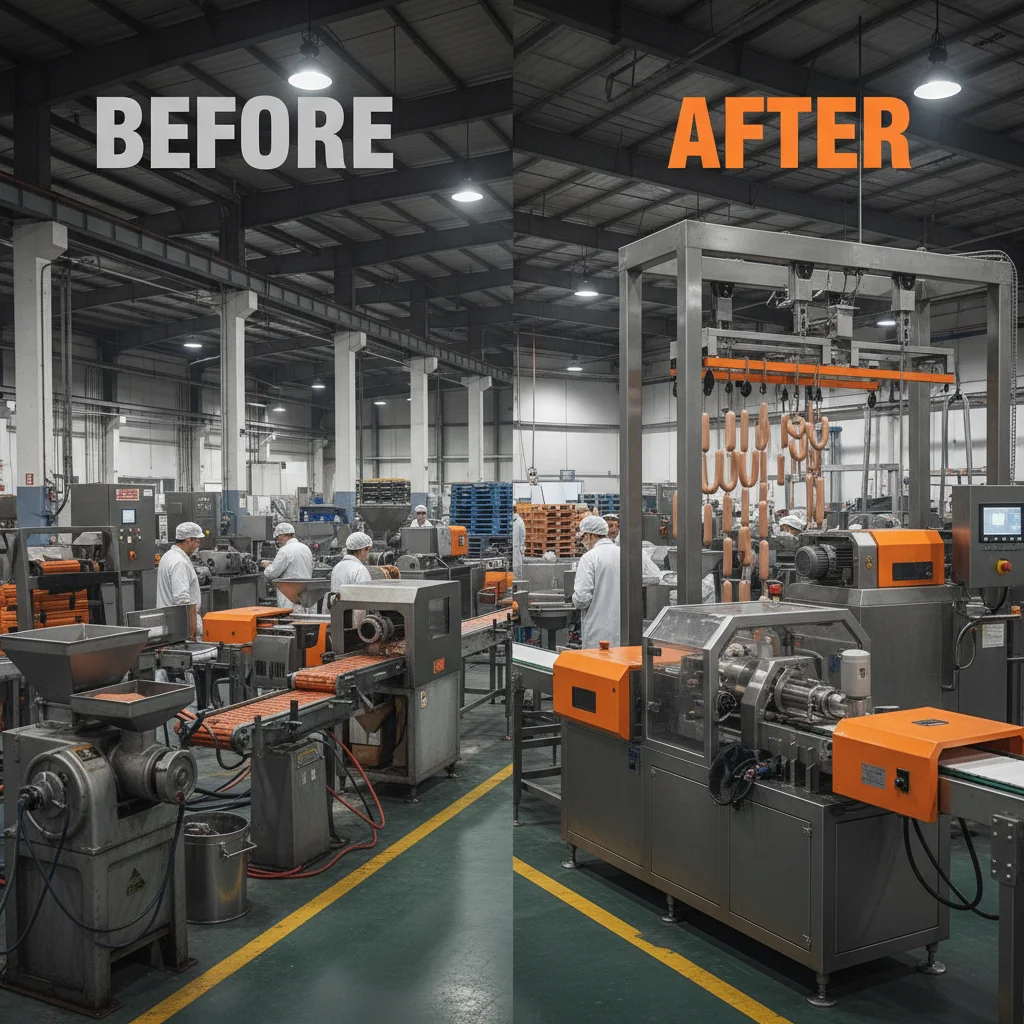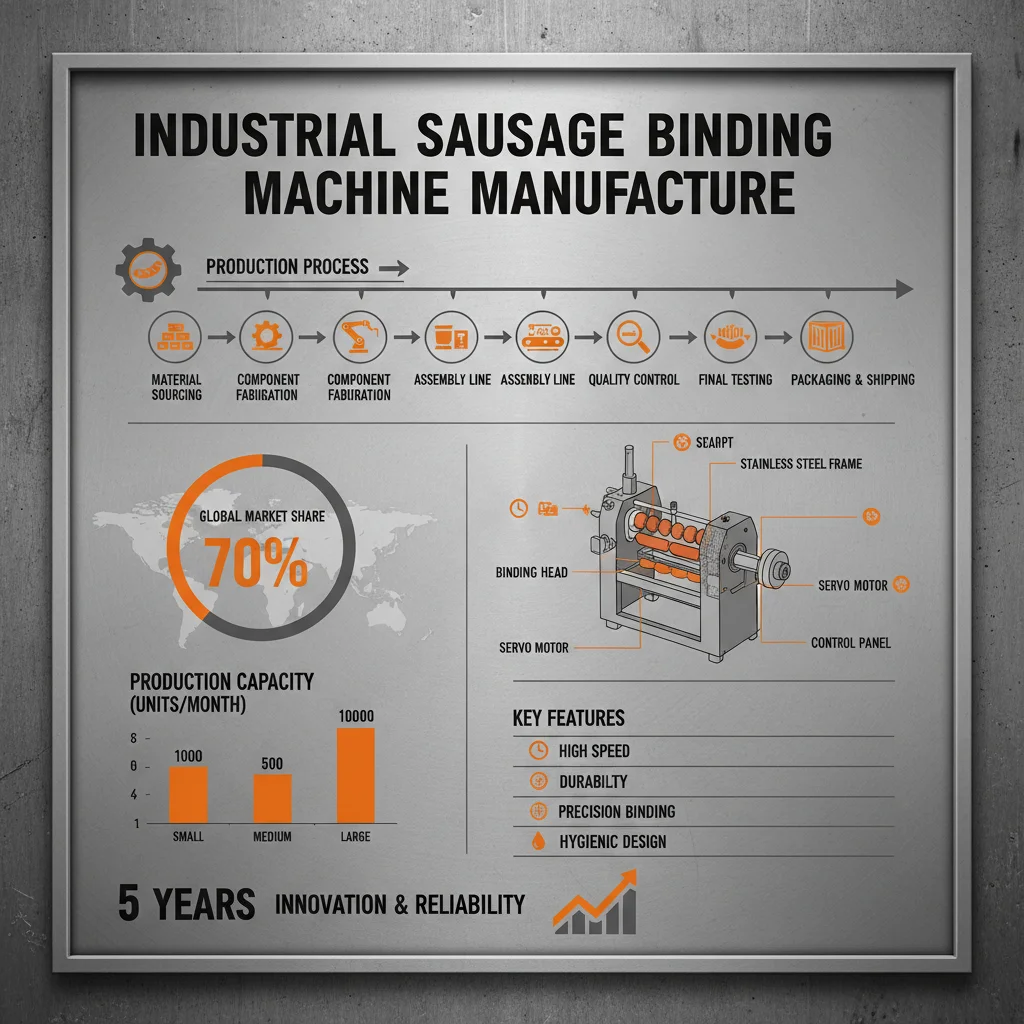
A frozen chicken cutting machine supplier provides the specialized industrial equipment necessary to process frozen poultry into precise cuts without the need for thawing. These systems are critical for high-volume food processing plants that require consistent slicing, dicing, or chopping of meat at temperatures as low as -18℃ to maintain food safety and product integrity.
In the modern meat processing industry, the primary challenge is balancing high throughput with strict hygienic standards. Manual cutting of frozen meat is not only inefficient but also presents significant safety risks and variability in product quality, leading to higher waste and lower yield for manufacturers.
This guide explores the technical specifications, selection criteria, and operational advantages of professional dicing and cutting solutions, helping procurement managers choose a supplier that ensures stability, durability, and compliance with international food safety regulations.

1Fundamentals of Frozen Poultry Processing Equipment

Industrial frozen chicken cutting machines are engineered to handle the extreme hardness of meat frozen at sub-zero temperatures. Unlike standard slicers, these machines utilize high-torque motors and specialized blade alloys to shear through frozen fibers without crushing the cellular structure of the meat, ensuring a clean edge and professional appearance.
The machinery typically involves a feed system, a reciprocating or rotating blade assembly, and a discharge conveyor. The integration of these components allows for a continuous flow of material, reducing the bottlenecks often found in semi-automatic processing lines.
For companies like Hebei Kemes Machinery Equipment Co., Ltd., the focus is on providing a one-stop solution that integrates these cutters into a larger automated line, combining filling, mixing, and cutting to optimize the total cost of ownership.
2Core Technical Features of High-Performance Dicers
High-performance equipment, such as the QK2000 model, relies on premium materials to withstand the corrosive nature of food processing environments. The use of 304 stainless steel for the chassis ensures long-term hygiene and resistance to oxidation from cleaning chemicals.
The mechanical drive system usually employs cycloidal or helical gear reducers to provide stable torque. This reduces vibration during high-speed operation, which is essential for maintaining the precision of the cut and extending the lifespan of the motor.
Additionally, the reciprocating knife frame—often operating at 32 times per minute—allows for rapid throughput. This speed, combined with a significant cross-blade stroke, ensures that large pieces of frozen chicken are processed into uniform dimensions efficiently.
3Industrial Application Scenarios and Workflow Integration
Frozen cutting machines are primarily deployed in pre-processing stages. In a typical poultry plant, frozen carcasses or parts are fed into the dicer to create uniform cubes or slices, which are then moved to mixing tanks for marination or directly to packaging lines for retail sale.
The versatility of these machines allows them to handle not only frozen chicken but also cooked proteins and other frozen meats. This flexibility means a single piece of equipment can serve multiple product lines, reducing the overall footprint of the production floor.
By automating the slicing process, plants can significantly reduce labor costs and eliminate the variability associated with manual cutting, leading to a more standardized end product that meets strict retail specifications.
4Operational Performance and Capacity Metrics
Evaluating the performance of a frozen chicken cutting machine requires looking at capacity (kg/h) relative to power consumption. A machine like the QK2000, with a capacity of 2000 kg/h and a power range of 5.5 to 7.5 kW, represents a high efficiency-to-power ratio.
Precision is measured by the uniformity of the slices. High-speed reciprocating frames ensure that the pressure applied to the frozen meat is consistent, which prevents the "tearing" effect often seen in lower-quality equipment.
frozen chicken cutting machine Supplier Performance Metrics
Operational stability is further supported by industrial-grade motors and precision reducers, which allow the machine to run continuous shifts without overheating, ensuring that the production line meets daily quotas without unplanned downtime.
5Procurement Guide for Selecting a Reliable Supplier
When selecting a supplier, procurement teams should prioritize the quality of materials and the availability of after-sales support. A supplier that uses certified 304 stainless steel and imported blade steel provides a lower long-term risk of equipment failure and contamination.
Capacity matching is also critical. A machine that is too small will become a bottleneck, while one that is too large will waste energy. Analyzing the feed size (e.g., 450 x 200 mm) against the average size of the raw material is a necessary step in the selection process.
Finally, check for compliance with food safety standards. Equipment should feature waterproof designs and quick-release components to facilitate the rigorous cleaning schedules required by health inspectors.
6Maintenance Protocols for Industrial Cutting Systems
To maintain peak precision, the cutting blades must be inspected daily for nicks or dullness. Because the machine operates on frozen materials, the buildup of ice crystals can occasionally interfere with the reciprocating mechanism if not properly cleared.
Sanitation is the most frequent maintenance task. The waterproof design of modern dicers allows for high-pressure washing, but care must be taken to ensure that lubricants in the reducer are not washed away, necessitating a periodic regreasing schedule.
Implementing a preventative maintenance program—including monthly checks of the motor brushes and gear oil levels—can extend the machine's operational life by several years and prevent costly emergency repairs during peak production seasons.
7Comparative Analysis of Cutting Technologies
Choosing between traditional slicing methods and advanced dicing technology depends on the desired end-product and the required volume. Automated dicers provide a level of consistency that is impossible to achieve with manual or semi-automatic tools.
The following table compares the operational impact of switching from traditional slicing to an industrial frozen meat dicer system.
| Comparison Feature | Traditional Slicing | Industrial Dicer (QK2000) | Impact on ROI |
|---|---|---|---|
| Labor Requirement | High (Manual) | Low (Automatic) | Reduced OPEX |
| Processing Speed | Slow/Variable | 2000 kg/h | Increased Throughput |
| Product Uniformity | Inconsistent | Highly Consistent | Lower Material Waste |
| Cleaning Time | Extensive | Rapid (Quick-release) | Higher Line Availability |
| Material Durability | Standard Steel | 304 Stainless/9Cr18 | Longer Asset Life |
| Temperature Limit | Thawing Required | -18℃ Capable | Energy Savings |
Ultimately, the investment in a professional frozen chicken cutting machine supplier's equipment is justified by the drastic reduction in labor and the increase in product quality and safety compliance.
Frequently Asked Questions
Conclusion
Investing in a high-performance frozen chicken cutting machine is a strategic move for any poultry processing facility aiming to increase efficiency, reduce labor costs, and ensure a standardized product. By utilizing specialized materials like 304 stainless steel and 9Cr18 blade steel, these machines provide the durability and hygiene necessary for industrial-scale production at temperatures as low as -18℃.
For procurement teams and plant managers looking to optimize their production lines, evaluating the technical capacity and supplier reliability is key. Detailed product information and integrated machinery solutions can be reviewed at www.hamkms.com to find the best fit for specific operational needs.