
Advanced Meat Processing Solutions with electric frozen meat cutter in South Korea
  • Home
  • Global Service
  • Advanced Meat Processing Solutions with electric frozen meat cutter in South Korea

Advanced Meat Processing Solutions with electric frozen meat cutter in South Korea

Precision engineering for South Korea's high-standard food processing industry, enhancing productivity from cutting to packaging.

Advanced Meat Processing Solutions with electric frozen meat cutter in South Korea

Integrating high-performance automation and precision cutting technology to meet the rigorous food safety and efficiency demands of the South Korean meat processing market.

Current State of Meat Processing Equipment in South Korea

Adapting to the "K-Food" global surge and domestic labor shortages through automation.

South Korea's food processing sector is currently navigating a transition toward "Smart Factories." With the rising costs of labor in urban hubs like Seoul and Gyeonggi, meat processors are aggressively replacing manual slicing with a professional meat slicer frozen beef to ensure consistent thickness and reduce waste.

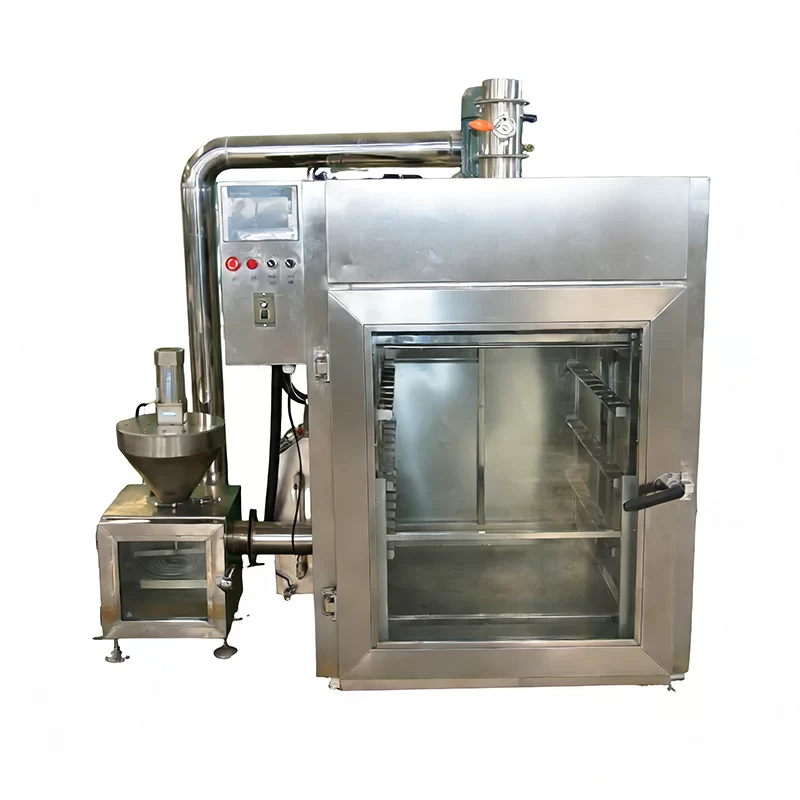
The demand for processed meats, particularly high-quality sausages and convenience-store ready meals, has spiked. This has led to a surge in the adoption of the sausage filling machine to maintain hygienic standards and precise weight control, aligning with the strict HACCP regulations enforced across the peninsula.

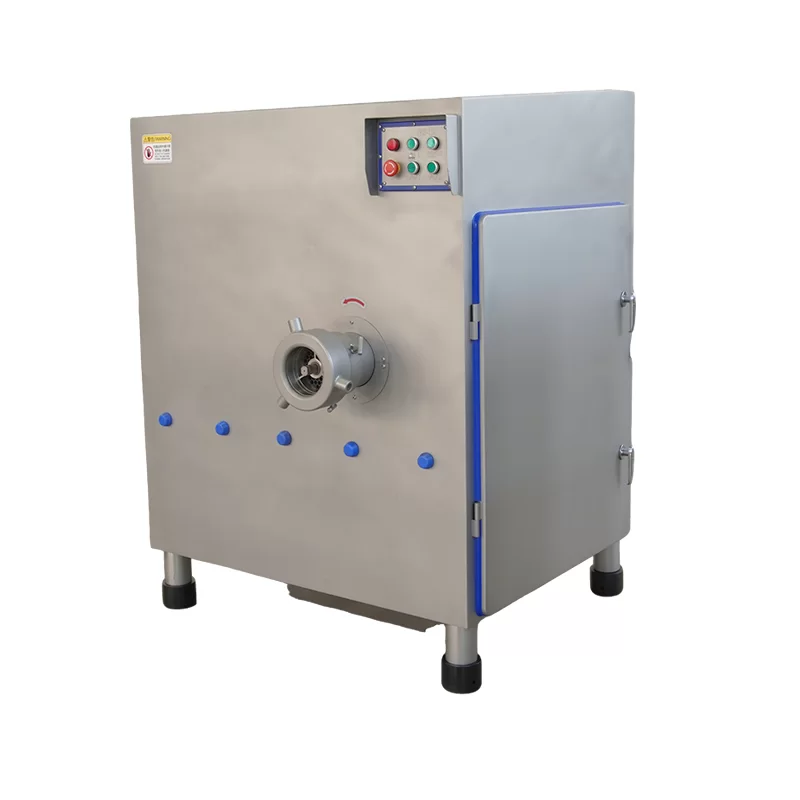
Furthermore, the cold chain logistics in South Korea are among the most advanced in Asia. This infrastructure supports the widespread use of the frozen chicken cutting machine, allowing processors to handle raw materials at sub-zero temperatures without compromising the cellular structure of the meat.
Evolution and Technological Trajectory in South Korea

From manual craftsmanship to AI-driven precision slicing and filling.

Market Development History

In the early 2000s, South Korean meat processing relied heavily on manual labor and basic mechanical cutters. The primary focus was on volume rather than precision, with most "banchan" (side dish) producers using basic blade systems that lacked temperature control.

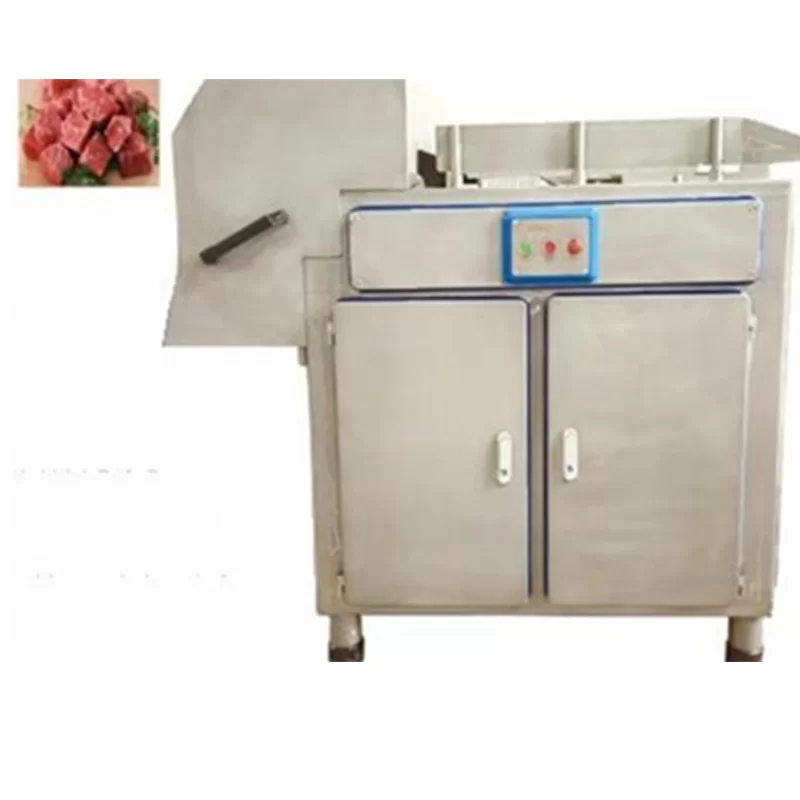
Between 2010 and 2020, there was a strategic shift toward electrification. The introduction of the electric frozen meat cutter revolutionized the speed of production, allowing factories to process frozen blocks of beef and pork with minimal thawing, thus preserving freshness.

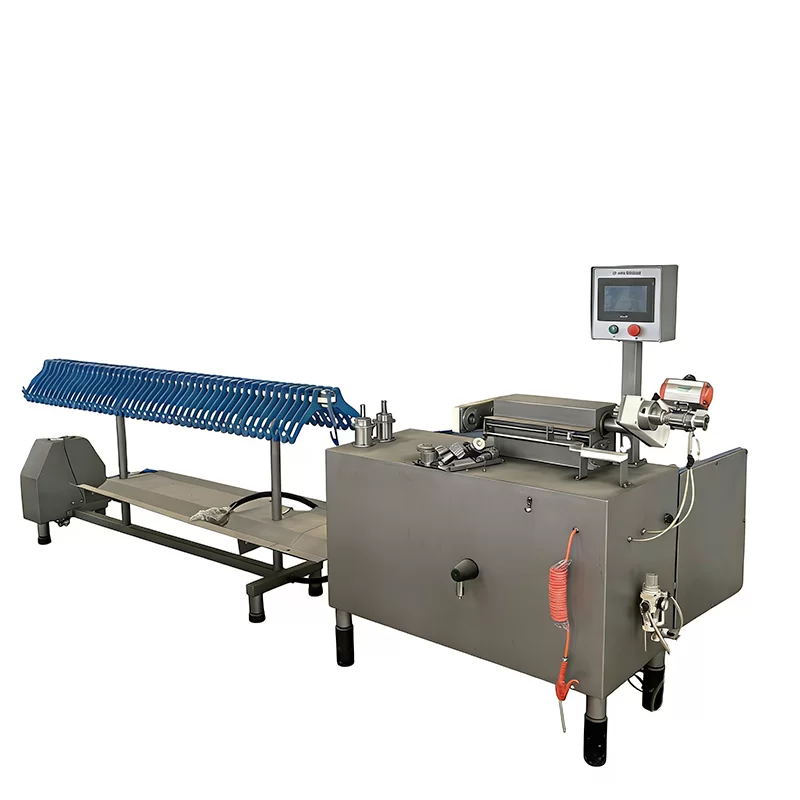
By 2023, the industry entered the era of integrated automation. Modern lines now combine vacuum filling and automatic knotting machines to create a seamless flow from the raw meat stage to the final packaged product, reducing human contact to almost zero.

Future Development Trends

IoT-Integrated Predictive Maintenance

Future equipment will feature sensors that predict blade wear and motor fatigue, reducing unplanned downtime in high-capacity Korean plants.

Hyper-Precision Portion Control

Driven by the trend of "single-person households" in Korea, machines will move toward micro-portioning with milligram accuracy.

Eco-Friendly Energy Recovery

Next-generation cutters will incorporate energy-efficient motors to comply with South Korea's strict carbon neutrality goals for 2050.

Industry Outlook and Future Projections

Analyzing the shift toward intelligent automation in the South Korean meat sector.

AI-Driven Slicing
Implementation of computer vision to optimize cut angles based on meat grain.
HACCP Digitalization
Automatic logging of cleaning cycles and temperature data for compliance.
Modular Production
Flexible line layouts to switch between beef and chicken processing rapidly.
Rapid Cold-Cutting
Advanced alloys to prevent blade freezing and friction heat.

Industry Outlook

Google search trends in South Korea indicate a significant increase in queries for "automated food processing" and "precision meat cutting." This suggests that South Korean SMEs are moving away from labor-intensive models toward technology-centric production to maintain global competitiveness.

Over the next 3-5 years, we expect the integration of robotics with specialized machinery, where robotic arms will feed the electric cutters, creating a fully autonomous meat processing ecosystem that minimizes waste and maximizes throughput.

Localized Application Scenarios in South Korea

Practical implementations across various scales of the Korean food industry.

01. Premium Hanwoo Beef Slicing Centers

Utilizing the meat slicer frozen beef to create ultra-thin, consistent slices for high-end Korean BBQ restaurants in Seoul, ensuring minimal loss of expensive prime cuts.

02. Industrial Sausage Production for Convenience Stores

Deployment of high-speed sausage filling machine lines to produce standardized "snack sausages" for the massive GS25 and CU convenience store networks.

03. Frozen Poultry Processing Plants in Gyeongsang

Implementing the frozen chicken cutting machine to handle bulk imports of frozen poultry, converting them into ready-to-cook pieces for the domestic fried chicken market.

04. Specialized Deli and Charcuterie Start-ups

Using compact knotting machines to automate the tying of artisan sausages, allowing small-scale producers to scale up while maintaining a "hand-made" appearance.

05. Central Kitchens for Meal-Kit Providers

Integrating the electric frozen meat cutter into central kitchens to quickly prepare frozen protein components for variety-pack meal kits delivered nationwide.

Brand Story

Global Development History of Hebei Kaisimachine Equipment Co., Ltd.

Founding Vision

Established with the mission to bridge the gap between industrial capacity and precision engineering in food machinery.

Technological Breakthrough

Developed proprietary blade alloys and vacuum filling systems to solve the pain point of meat oxidation during processing.

Market Expansion

Expanded operations into the Asian market, tailoring equipment for the specific meat consumption habits of South Korea and Japan.

Quality Certification

Achieved international standards in food-grade stainless steel and safety certifications, ensuring global export readiness.

Sustainable Future

Currently investing in AI-integrated systems to lead the "Smart Food Factory" revolution worldwide.

Comprehensive Product Portfolio for South Korea

All-in-one equipment solutions for the modern Korean meat processing facility.

Common Questions from South Korean Clients

Technical guidance and support for local operators.

How does the electric frozen meat cutter handle extremely hard frozen blocks?

Our machines utilize high-torque motors and reinforced tungsten-carbide blades designed specifically to slice through frozen blocks at -18°C without requiring prior thawing.

Is the sausage filling machine compatible with high-viscosity Korean meat pastes?

Yes, the vacuum filling system is engineered to handle various densities, ensuring an air-bubble-free fill for both traditional and modern Korean sausage recipes.

Can the meat slicer frozen beef be adjusted for different thickness levels?

Absolutely. The machine features a precision dial that allows adjustments from 0.5mm to 15mm, perfect for everything from Shabu-shabu to thick steaks.

What is the hourly capacity of the frozen chicken cutting machine?

Depending on the model, our machines can process between 500kg to 3 tons of frozen poultry per hour, significantly reducing manual labor costs.

Are the knotting machines easy to maintain for small-scale producers?

Yes, the knotting mechanism is designed for quick-swap parts and simple lubrication, requiring minimal technical training for daily operation.

Do these machines comply with South Korea's food safety standards?

All our equipment is constructed from SUS304 food-grade stainless steel and designed to facilitate easy cleaning, meeting the core requirements of HACCP standards.

Ready to Upgrade Your Production Line?

Our technical experts are ready to provide customized meat processing solutions for your business in South Korea.

Contact Us Now

If you are interested in our products, you can choose to leave your information here, and we will be in touch with you shortly.