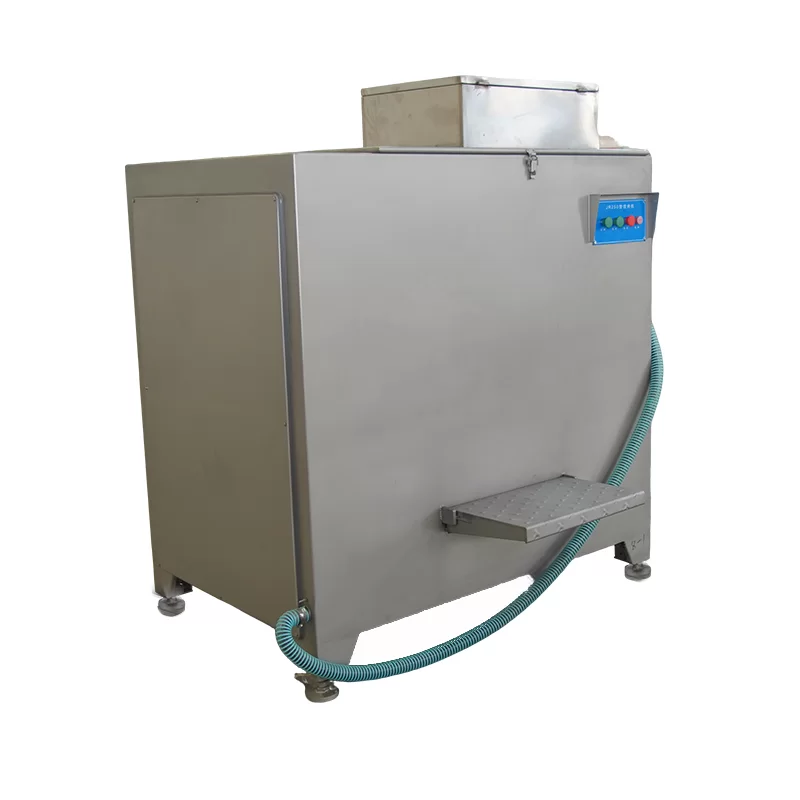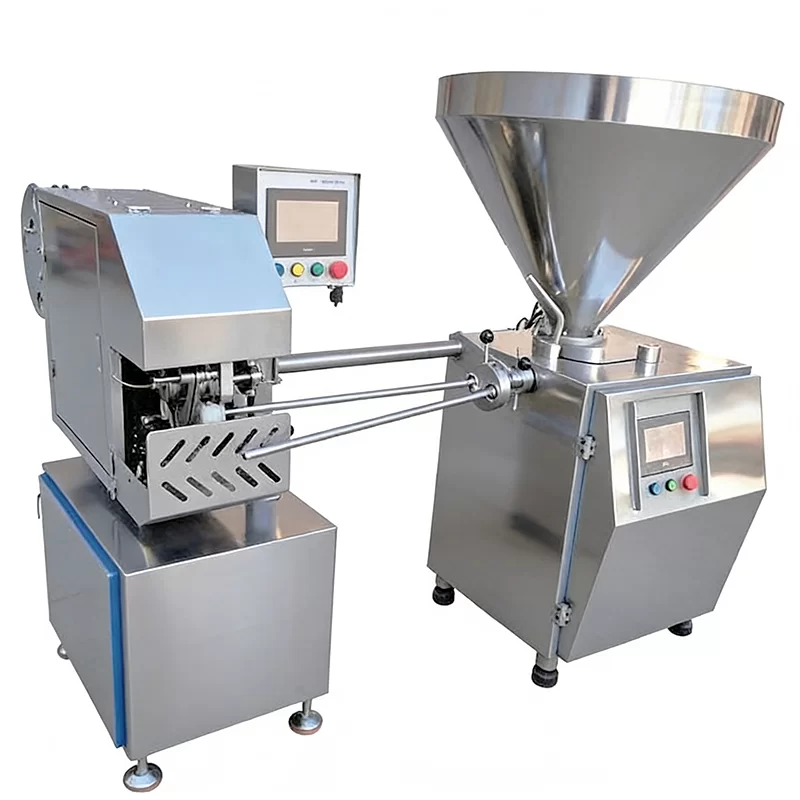
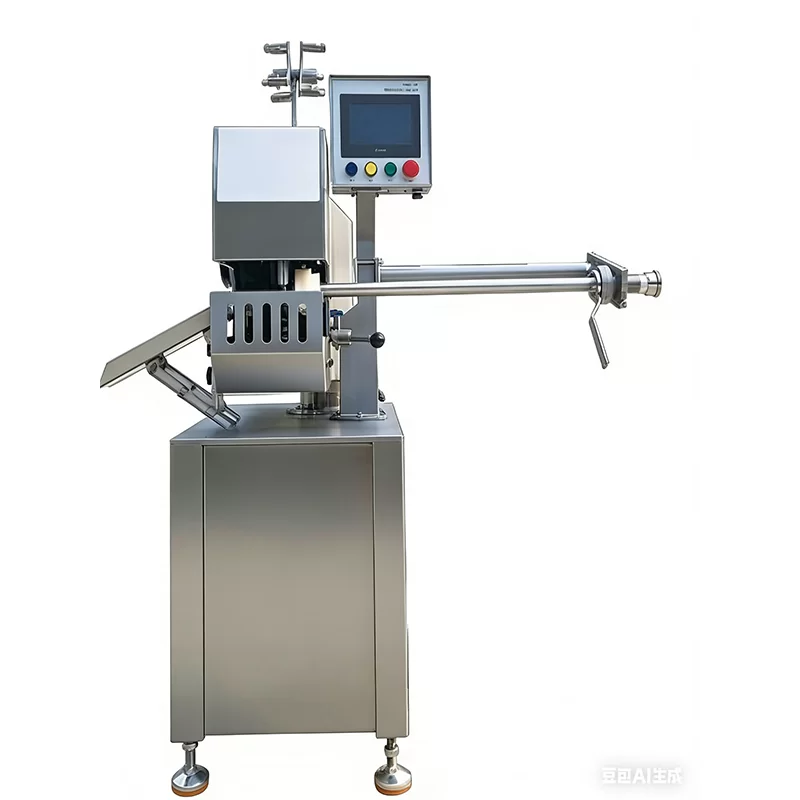
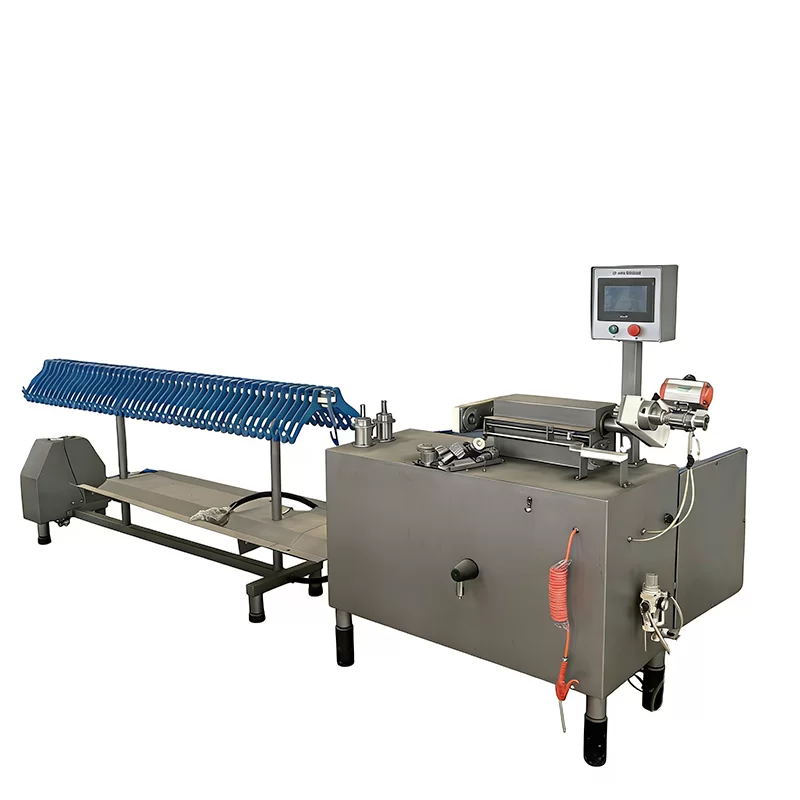
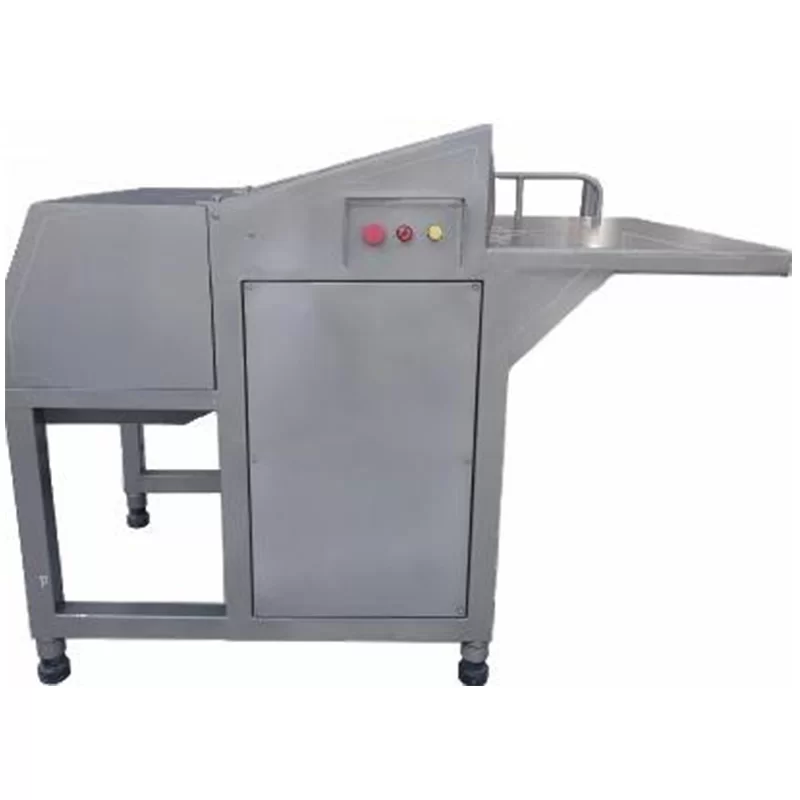
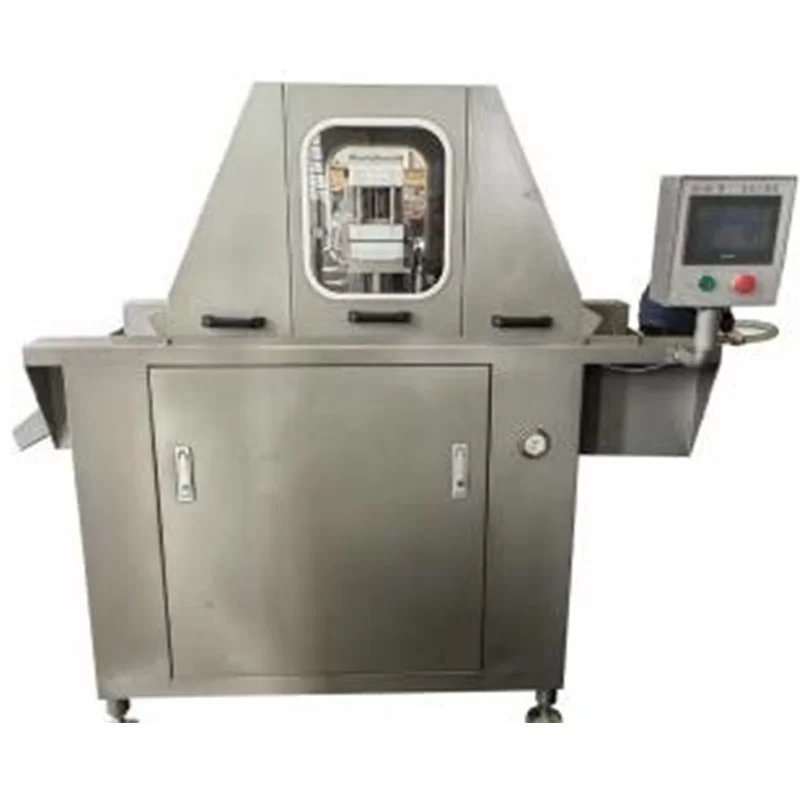
Advanced Meat Processing Solutions HighEfficiency electric frozen meat cutter for Zimbabwe
  • Home
  • Global Service
  • Advanced Meat Processing Solutions HighEfficiency electric frozen meat cutter for Zimbabwe

Advanced Meat Processing Solutions: High-Efficiency electric frozen meat cutter for Zimbabwe

Empowering Zimbabwe's food manufacturing sector with precision cutting, filling, and packaging technology to enhance productivity and food safety.

Advanced Meat Processing Solutions: High-Efficiency electric frozen meat cutter for Zimbabwe

We provide industrial-grade machinery tailored for the Zimbabwean market, focusing on durability and precision in meat processing, from slicing to knotting.

The Current State of Meat Processing in Zimbabwe

Analyzing the intersection of agricultural output and industrialization in Southern Africa.

Zimbabwe possesses a strong livestock foundation, yet the meat processing sector often struggles with inconsistent yields and high manual labor costs. In regional hubs like Harare and Bulawayo, there is an increasing demand for a reliable meat slicer frozen beef to standardize product quality for the growing supermarket retail chains.

The local environment, characterized by high ambient temperatures, necessitates robust cold chain management. This makes the adoption of a frozen chicken cutting machine critical, as it allows processors to handle products in a frozen state, reducing spoilage and ensuring hygiene during the cutting process.

Currently, many small-to-medium enterprises (SMEs) in Zimbabwe are transitioning from artisanal methods to semi-automated systems. The integration of a sausage filling machine is becoming a benchmark for local butcheries looking to scale their production of traditional sausages for the domestic market.
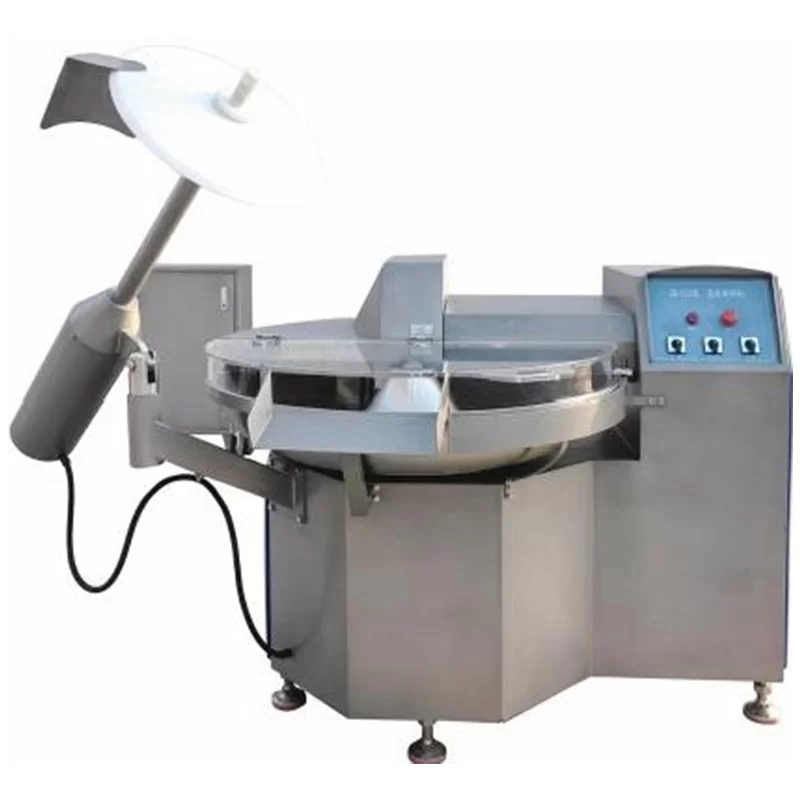
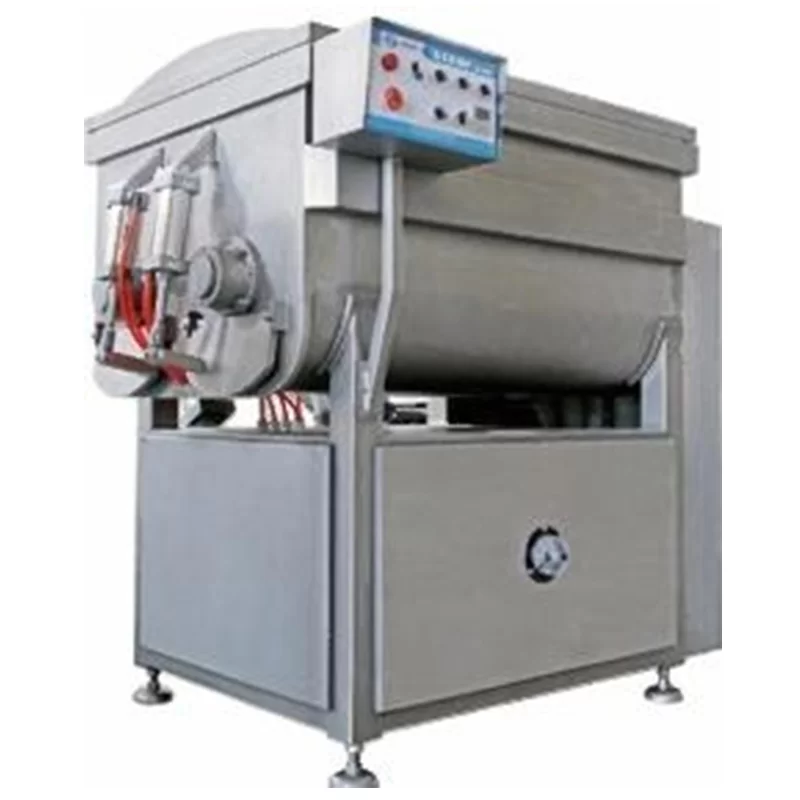
Evolution of Meat Processing Technology in Zimbabwe

From manual butchery to automated precision engineering.

Market Development History

In the 1990s and early 2000s, meat processing in Zimbabwe relied heavily on manual labor and basic mechanical grinders. Production was fragmented, with limited capability for high-volume standardized slicing or filling, leading to significant product waste.

Between 2010 and 2020, the industry saw a shift toward semi-automation. The introduction of basic electric cutters and hydraulic fillers began to replace hand-cranked tools, improving throughput and allowing for the first wave of commercially packaged frozen meats in urban centers.

Since 2021, there has been a surge in the adoption of specialized machinery. The demand for precision tools like knotting machines has grown as processors move toward professional casing and vacuum packaging to extend shelf life for export markets.

Future Development Trends

Smart Automation and IoT

Expect a rise in PLC-controlled systems that allow Zimbabwean operators to monitor cutting thickness and filling volumes digitally, reducing human error.

Energy-Efficient Hardware

Due to local power grid challenges, there is a clear trend toward energy-efficient motors in equipment like the electric frozen meat cutter to ensure stable operation during voltage fluctuations.

Sustainable Packaging Integration

Future systems will likely integrate automatic knotting and sealing in a single line to reduce plastic waste and improve the airtightness of meat products.

Industry Trends and Future Outlook

Strategic directions for the Zimbabwean food equipment sector.

Precision Standardization
Transitioning from "approximate" cuts to millimeter-precise slicing to maximize raw material utilization.
Cold Chain Synergy
Integrating frozen-state cutting technology to eliminate thawing cycles and maintain bacterial control.
Hygiene Compliance
Adopting full stainless steel 304 construction to meet international food safety standards for export.
Capacity Scalability
Modular equipment setups that allow small butcheries to expand into industrial factories.

Industry Outlook

Based on search trends in the Southern African region, there is a growing interest in "automated meat processing" and "industrial food safety." Zimbabwe is poised to become a regional hub for processed meat exports if it can successfully implement high-efficiency slicing and filling lines.

The shift toward value-added meat products (pre-sliced, pre-packaged, and specialized sausages) will drive the demand for a combination of knotting machines and precision cutters, reducing the reliance on imported processed goods.

Localized Application Scenarios in Zimbabwe

Real-world deployments of our equipment across various Zimbabwean business models.

01. Urban Supermarket Cold Chains

Implementing a meat slicer frozen beef in Harare-based supermarket hubs to provide uniform, pre-sliced steak and roast beef, reducing in-store preparation time.

02. Poultry Processing Plants

Utilizing a frozen chicken cutting machine in large-scale poultry farms to quickly portion frozen carcasses into drumsticks and wings for wholesale distribution.

03. Artisanal Sausage Factories

Deploying a sausage filling machine for local producers to maintain consistent casing tension and weight, ensuring professional product presentation.

04. Industrial Meat Packaging Centers

Using high-speed knotting machines to secure collagen and natural casings for bulk meat exports to neighboring SADC countries.

05. Specialized Frozen Meat Wholesalers

Integrating an electric frozen meat cutter to handle bulk frozen imports, allowing for immediate precision cutting without the need for defrosting.

Brand Story

Global Development Journey of Hebei Hamkms Machinery Equipment Co., Ltd.

Foundational Excellence

Established with a vision to bridge the gap between complex industrial engineering and practical food production, focusing on durable meat processing hardware.

Technological Breakthroughs

Developed proprietary blade geometries for frozen meat cutting, significantly reducing energy consumption while increasing cutting precision.

Global Market Expansion

Expanded operations into Africa, tailoring machinery to withstand regional power fluctuations and extreme environmental conditions.

Commitment to E-E-A-T

Built a reputation for Expertise and Trust by providing comprehensive technical training and after-sales support for global clients.

The Vision for Tomorrow

Leading the transition toward "Green Meat Processing" by creating fully recyclable and energy-efficient food production lines.

Complete Meat Processing Portfolio for Zimbabwe

A comprehensive range of equipment designed to optimize every stage of your production line.

Frequently Asked Questions for Zimbabwean Processors

Expert answers to common technical and operational queries.

How do I maintain an electric frozen meat cutter in dusty environments?

We recommend daily cleaning of the motor ventilation ports and weekly lubrication of the moving parts. Our machines feature sealed electrical components to prevent dust ingress, which is common in rural Zimbabwean processing sites.

Can a sausage filling machine handle high-viscosity traditional recipes?

Yes, our fillers are designed with high-torque motors specifically to handle the dense meat emulsions and coarse grinds used in traditional Southern African sausage recipes without clogging.

What is the ideal temperature for using a frozen chicken cutting machine?

For optimal precision and safety, chicken should be maintained at -18°C. This ensures the meat is firm enough for the blades to slice cleanly without tearing the muscle fibers.

How does a meat slicer frozen beef differ from a standard deli slicer?

Standard slicers are for chilled meats. Our frozen beef slicers use hardened, high-carbon steel blades and higher torque motors to penetrate frozen tissues without overheating or dulling rapidly.

Are knotting machines compatible with various casing diameters?

Absolutely. Our knotting machines feature adjustable tension and grip settings, making them compatible with a wide range of collagen, cellulose, and natural casings.

Do these machines require specialized 3-phase power in Zimbabwe?

We offer both single-phase models for small butcheries and 3-phase models for industrial plants. We also recommend using a voltage stabilizer to protect the electronics from power surges.

Ready to Optimize Your Production?

Contact our engineering team today for customized meat processing equipment solutions tailored for the Zimbabwean market.

Contact Us Now

If you are interested in our products, you can choose to leave your information here, and we will be in touch with you shortly.