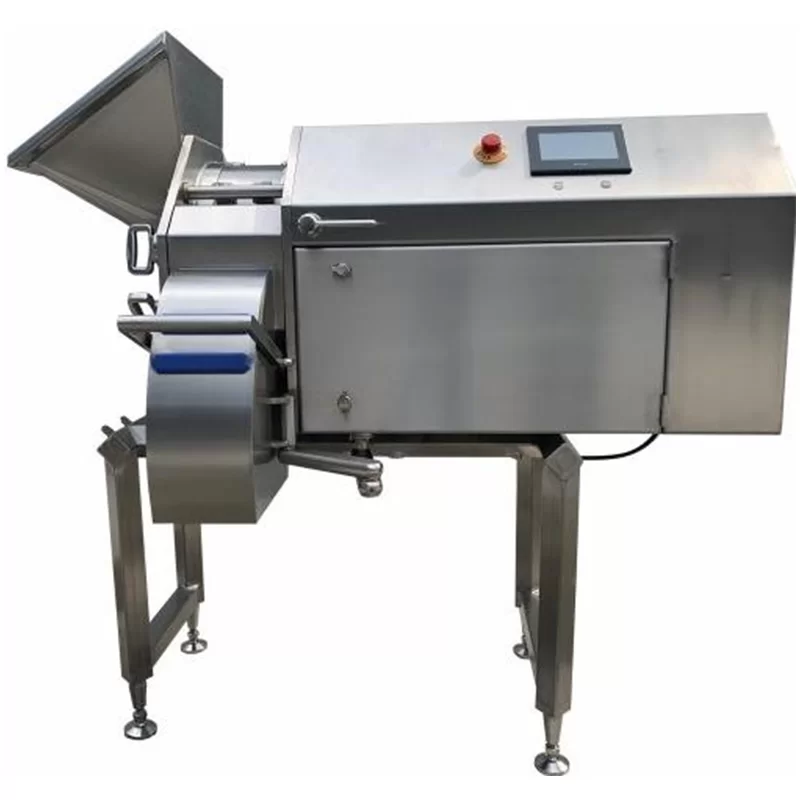
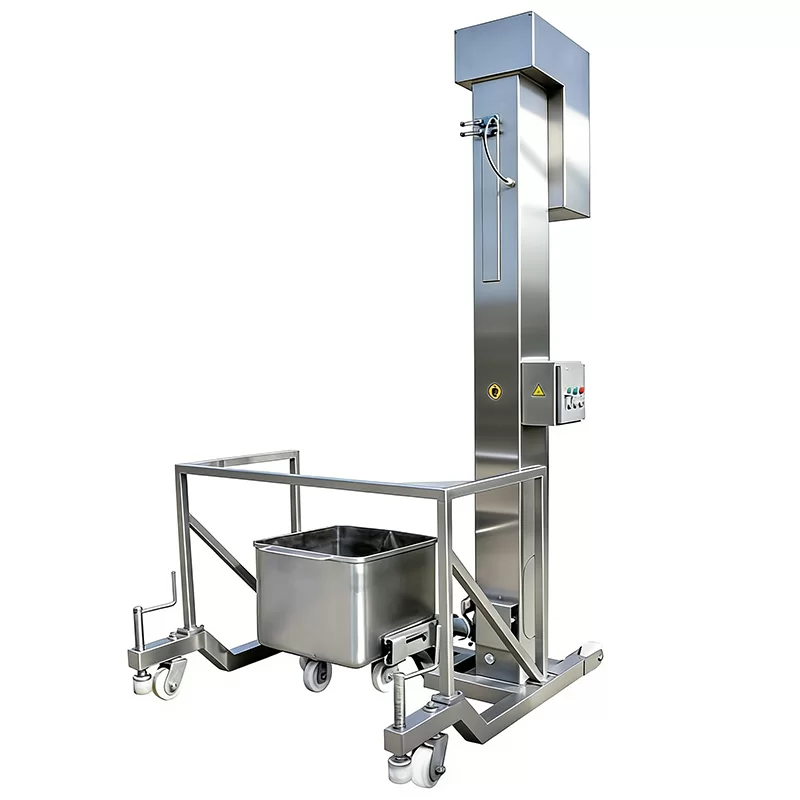
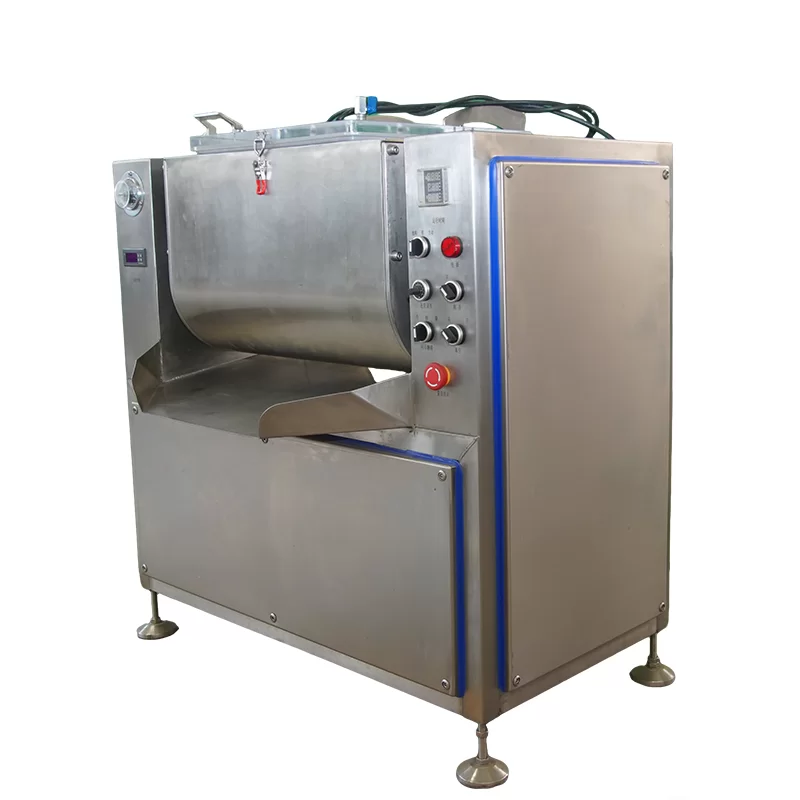
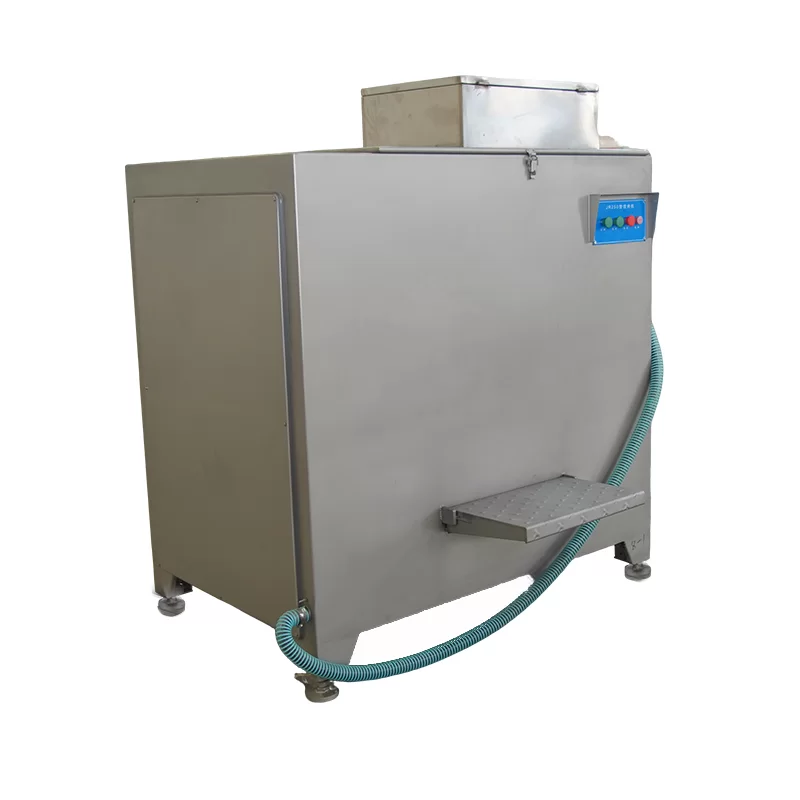
In Rwanda, the meat processing sector is currently experiencing a significant shift. With the growth of Kigali's urban population and a rise in supermarkets, there is a critical need for consistent product quality. Many local producers still rely on manual labor, but the introduction of the meat slicer frozen beef has begun to standardize portion control and reduce waste in cold chain logistics.
The humid subtropical climate of Rwanda poses challenges for meat preservation, making frozen processing indispensable. The adoption of a frozen chicken cutting machine allows processors to handle bulk frozen imports and local poultry efficiently, ensuring that the meat remains at safe temperatures during the cutting process to prevent bacterial growth.
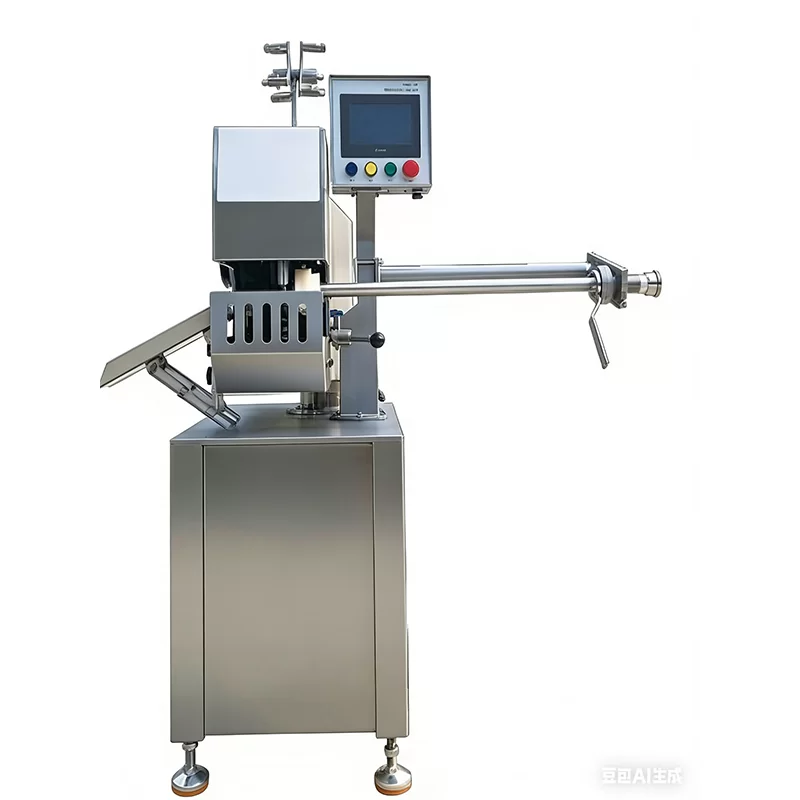
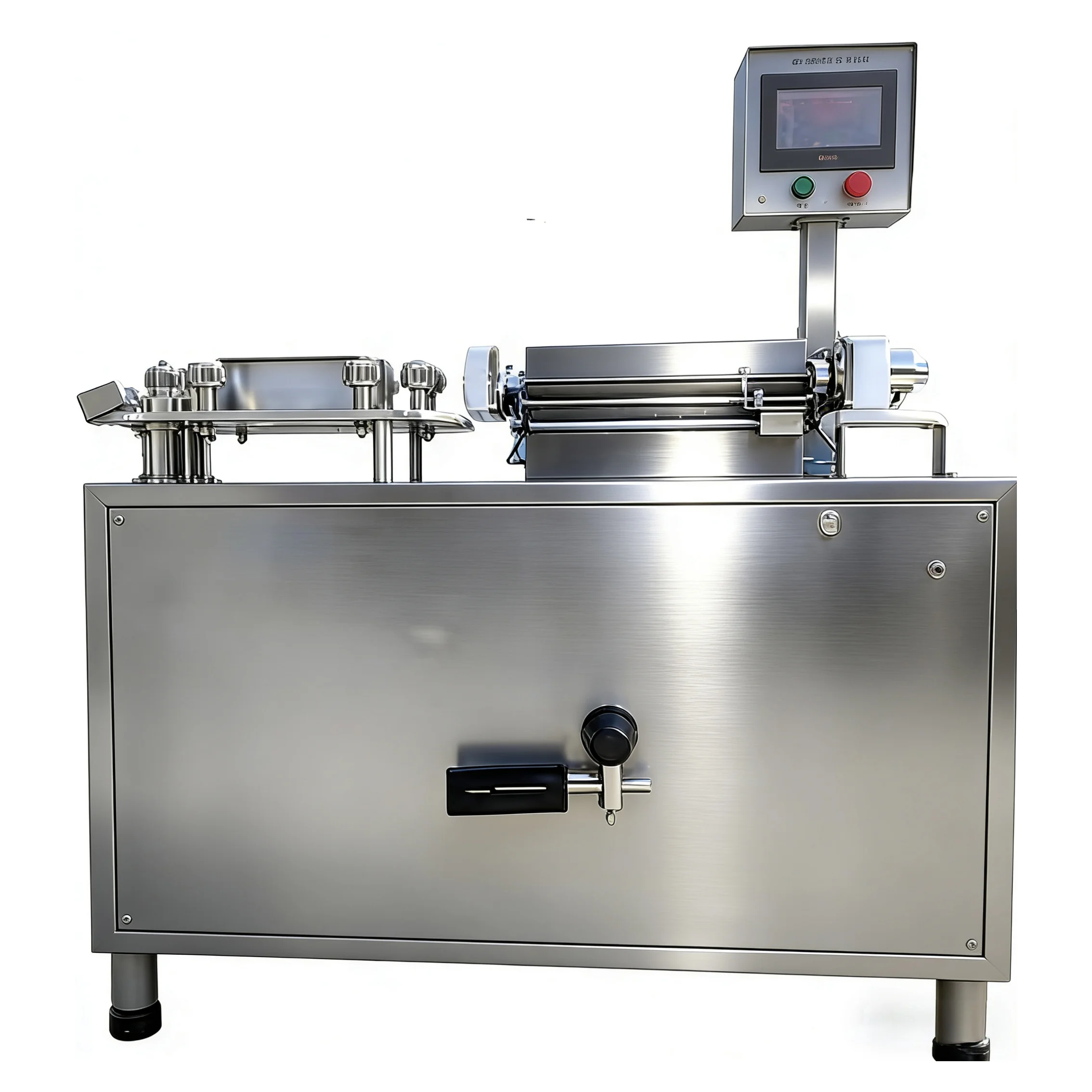
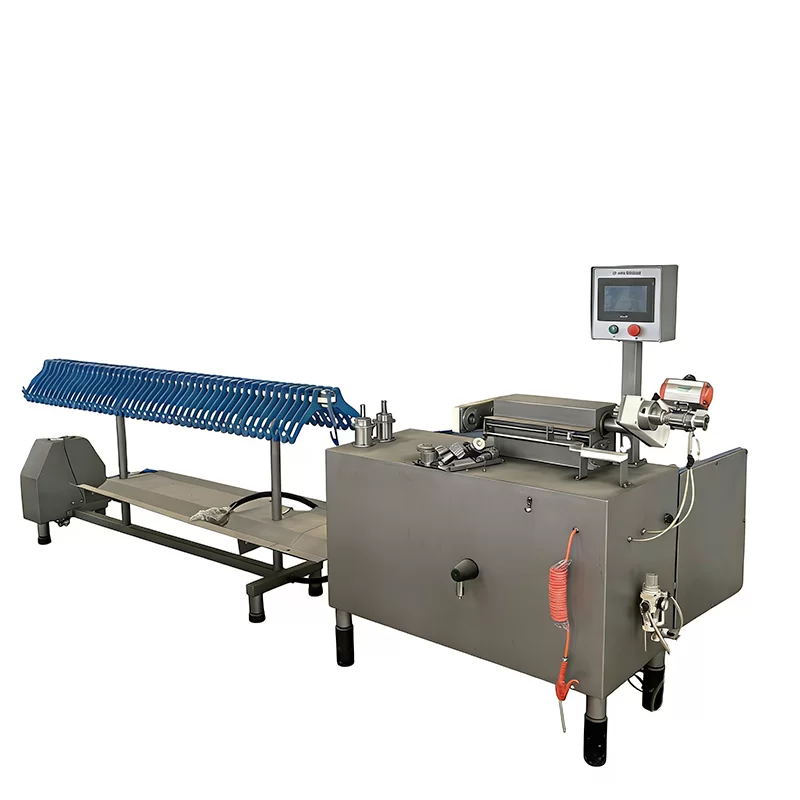
Furthermore, the burgeoning sausage and deli meat market in Rwanda is demanding higher output. The shift toward using a professional sausage filling machine is replacing manual stuffing, allowing small-to-medium enterprises (SMEs) to scale their operations while maintaining the hygiene standards required by Rwandan food safety authorities.