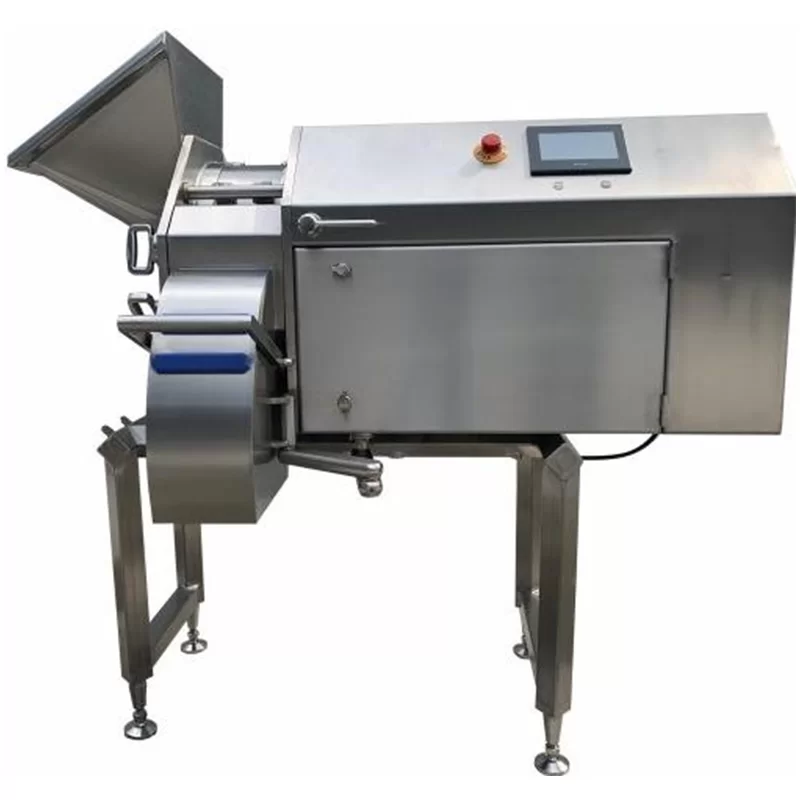
Libya's meat processing industry currently faces a unique intersection of high demand for imported frozen proteins and a developing local infrastructure. Due to the arid climate and historical reliance on imports, the necessity for a robust meat slicer frozen beef is paramount for distributors who must process bulk frozen blocks into retail-ready portions without thawing, which prevents bacterial growth in high temperatures.
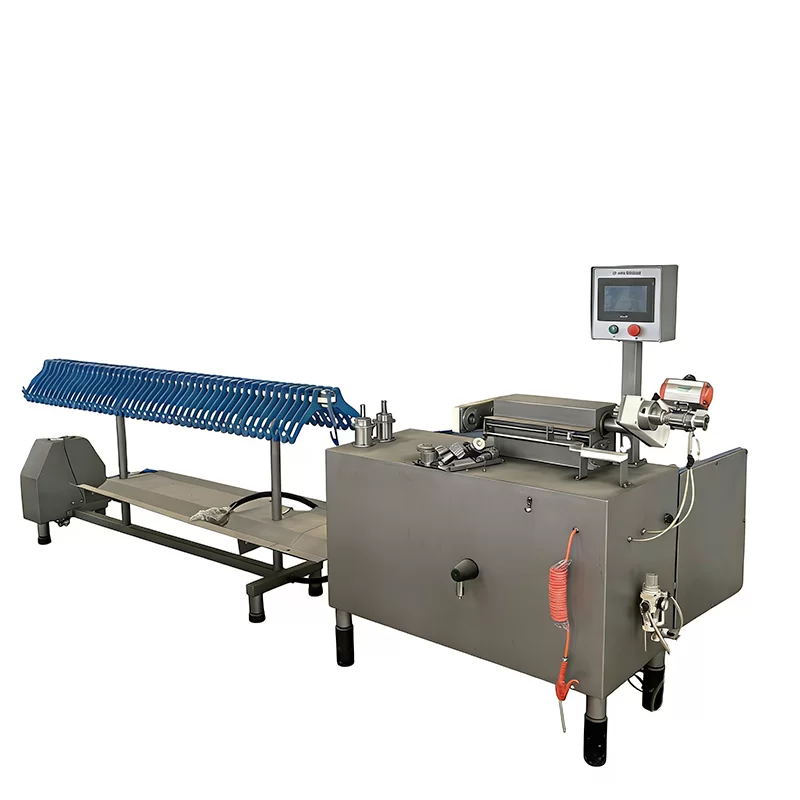
Many local butcheries and small-scale factories in Tripoli and Benghazi are transitioning from manual labor to semi-automation. The introduction of the frozen chicken cutting machine has significantly reduced labor costs and increased throughput for the poultry sector, which is seeing a surge in consumption across Libyan urban centers.
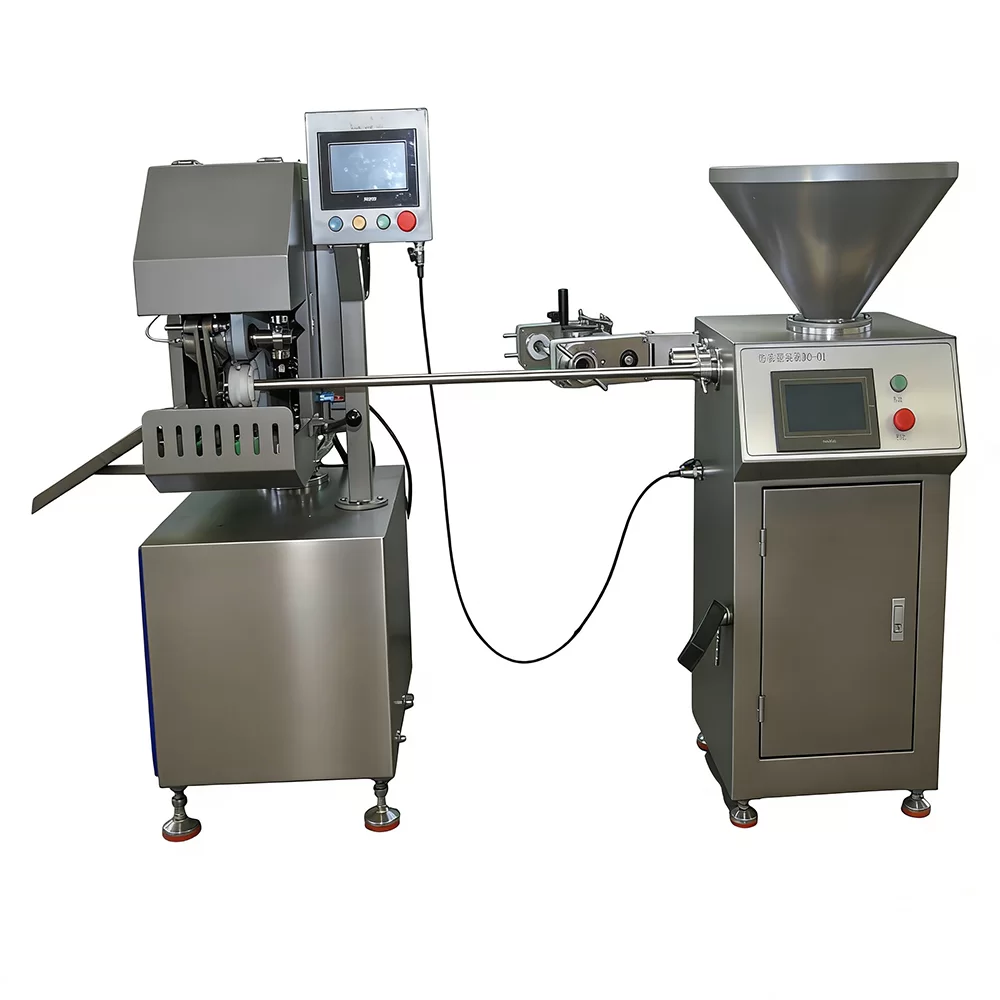
However, the industry still struggles with inconsistent power grids and the need for heavy-duty machinery. There is a growing demand for equipment that can withstand fluctuating voltages while maintaining the precision required for knotting machines and filling systems used in the local sausage and deli meat production.