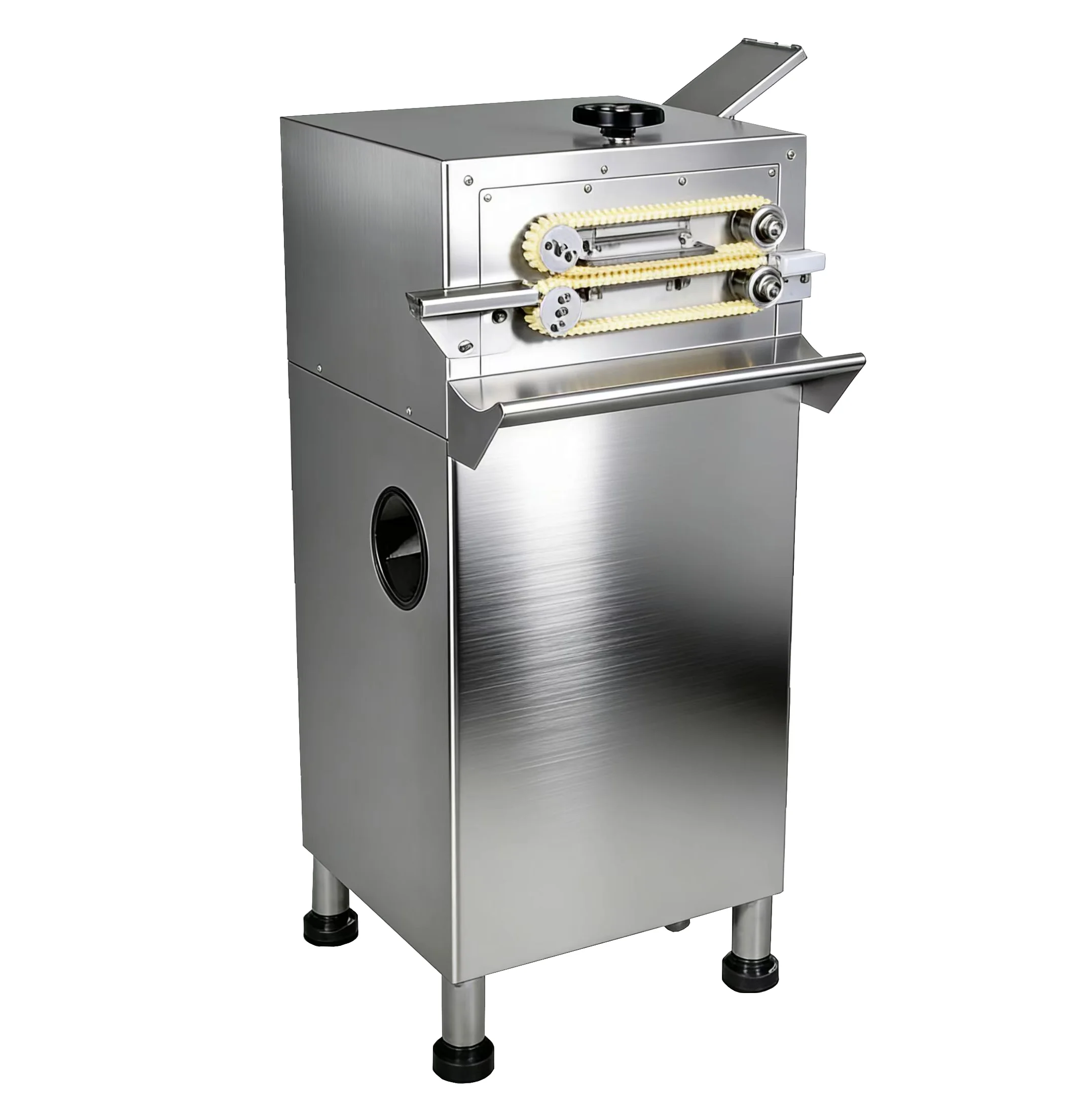
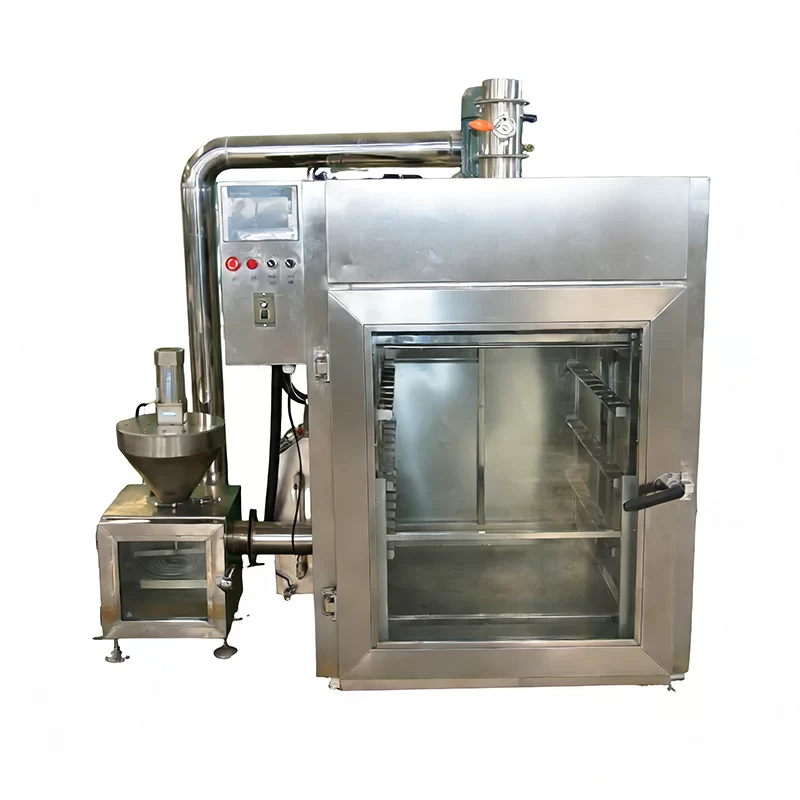
Advanced Cold Chain Processing Solutions with electric frozen meat cutter in Ecuador
  • Home
  • Global Service
  • Advanced Cold Chain Processing Solutions with electric frozen meat cutter in Ecuador

Advanced Cold Chain Processing Solutions with electric frozen meat cutter in Ecuador

Optimizing meat processing efficiency for the Ecuadorian food industry through high-precision automation and industrial-grade durability.

Advanced Cold Chain Processing Solutions with electric frozen meat cutter in Ecuador

Providing high-performance processing equipment designed to meet the rigorous demands of meat production, from precise slicing to automated packaging in the Ecuadorian market.

Current State of Meat Processing Industry in Ecuador

Analyzing the intersection of geographical challenges and industrial modernization in the Andean region.

Ecuador's meat processing sector is currently undergoing a transition from artisanal methods to industrialization, driven by the growing demand for processed meats in urban hubs like Quito and Guayaquil. The diverse climate, ranging from coastal humidity to Andean highlands, necessitates equipment that can maintain hygiene and performance under varying atmospheric pressures.

Local producers are increasingly integrating a meat slicer frozen beef to meet the strict standards of the retail and hospitality sectors. However, many facilities still struggle with high labor costs and inconsistent product thickness, highlighting a critical need for precision automation in the cold chain.

Furthermore, the rise of export-oriented production has pushed Ecuadorian firms to seek global standards in sanitation. The adoption of high-grade stainless steel machinery is no longer optional but a requirement for compliance with international health regulations and efficiency benchmarks.
Technological Evolution and Development Trajectory

From manual craftsmanship to the era of intelligent meat processing automation.

Market Development History

In the early 2000s, meat processing in Ecuador relied heavily on manual cutting and basic mechanical grinders. Efficiency was limited by human endurance, and product consistency varied significantly between batches, slowing down the growth of the domestic processed meat market.

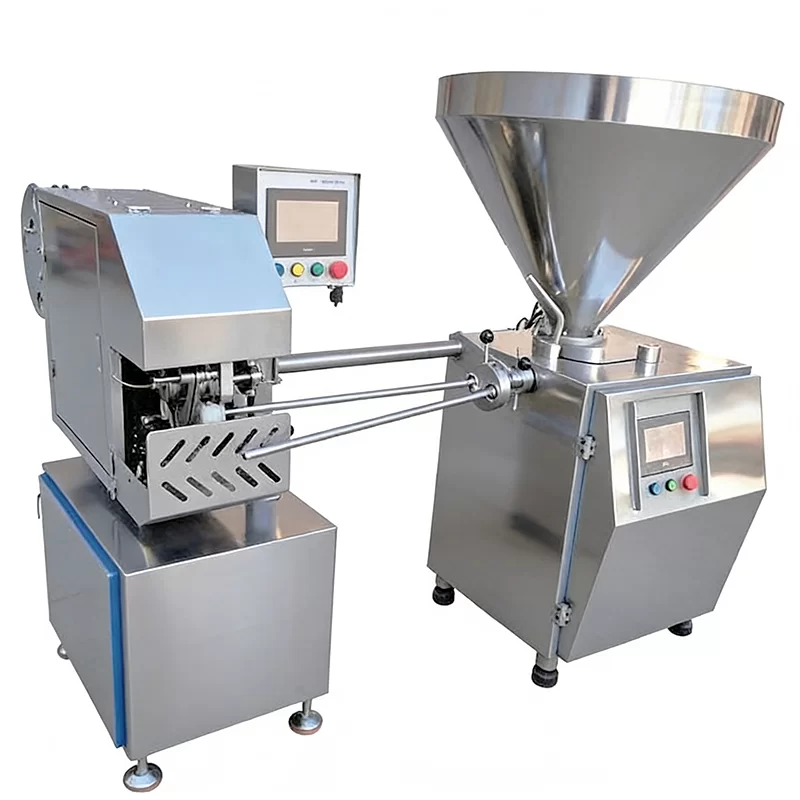
Between 2010 and 2020, the industry saw a shift toward semi-automation. The introduction of the sausage filling machine allowed local charcuteries to scale their production, moving from small family shops to regional distributors while maintaining traditional flavor profiles.

From 2021 to the present, the focus has shifted toward "Deep-Freeze Processing." The implementation of specialized tools like the frozen chicken cutting machine has eliminated the need for time-consuming thawing cycles, drastically reducing energy costs and preventing bacterial growth during the processing phase.

Future Development Trends

IoT-Integrated Precision Control

Future equipment will feature real-time monitoring, allowing Ecuadorian plant managers to track slicing precision and machine health remotely via cloud-based dashboards.

Sustainable Energy Consumption

With the push for "Green Industry" in South America, the next generation of cutters will optimize torque and power usage to reduce the carbon footprint of industrial meat plants.

Hyper-Automation in Packaging

The integration of knotting machines with automated conveyor systems will create a seamless flow from cutting to final sealed packaging, minimizing human contact.

Industry Trends and Future Outlook

Forecasting the technological shifts in Ecuador's meat manufacturing sector over the next 3-5 years.

Cold-Cut Optimization
Moving towards zero-thaw processing to maintain nutrient integrity and reduce waste.
Hygienic Design Standards
Implementation of EHEDG-compliant surfaces to prevent biofilm formation in humid climates.
Precision Portioning
AI-driven cutting patterns to maximize yield per carcass, reducing raw material loss.
Scalable Modularity
Plug-and-play machinery that allows SMEs to expand their production line incrementally.

Industry Outlook

Based on Google search trends for "industrial meat equipment" and "food automation" in South America, there is a significant uptick in demand for high-efficiency frozen processing. Ecuadorian businesses are moving away from general-purpose tools toward specialized machinery that offers higher stability and lower maintenance intervals.

The outlook for the next five years suggests a convergence of food safety regulations and technological adoption. Companies that invest in automated slicing and filling systems today will possess a significant competitive advantage in terms of operational cost and product quality.

Localized Application Scenarios in Ecuador

Real-world implementations of meat processing technology across different Ecuadorian production environments.

01. Industrial Sausage Production in Guayaquil

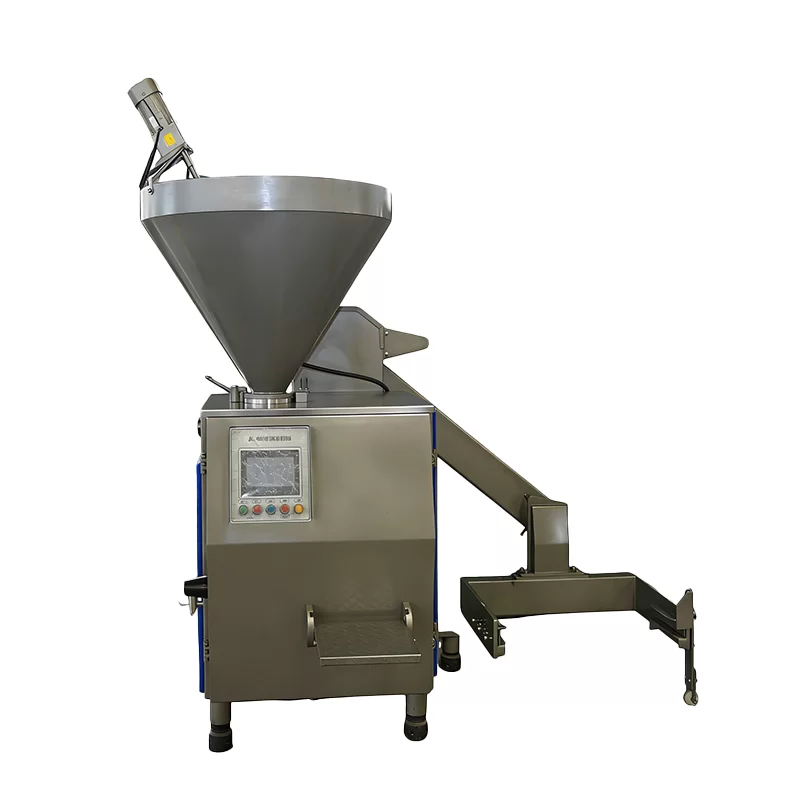
Large-scale facilities utilizing a high-capacity sausage filling machine to produce standardized embutidos for national supermarket chains, ensuring consistent weight and texture.

02. Frozen Poultry Processing in the Highlands

Implementing a frozen chicken cutting machine to process imported and local poultry at sub-zero temperatures, eliminating the thawing phase and increasing throughput by 40%.

03. Gourmet Beef Slicing for Quito's Hospitality

High-end hotels and restaurants employing a meat slicer frozen beef to create precise, ultra-thin cuts for carpaccio and premium steaks, ensuring zero product waste.

04. Cold-Storage Distribution Centers

Logistics hubs using an electric frozen meat cutter to break down bulk frozen carcasses into retail-ready portions immediately before shipping to local vendors.

05. Specialized Casing and Binding Lines

Artisan meat plants integrating automated knotting machines to secure casings for traditional sausages, reducing manual labor and increasing packaging speed.

Brand Story

Global Development Journey of Hebei Hamkms Machinery Equipment Co., Ltd.

Founding Vision

Established with a commitment to solve the core inefficiencies of meat processing, we focused on bridging the gap between industrial power and surgical precision.

Technological Breakthrough

Developed proprietary blade alloys and motor synchronization systems to handle extreme frozen temperatures without compromising cut quality.

Global Expansion

Expanded our footprint into South America, tailoring our equipment to handle the specific environmental and electrical requirements of the Ecuadorian market.

Quality Certification

Achieved international food-grade certifications, ensuring every machine produced meets the strictest global hygiene and safety standards.

Future Mission

Striving to lead the "Smart Meat Processing" revolution by integrating AI and sustainable engineering into every piece of equipment.

Complete Meat Processing Portfolio for Ecuador

A comprehensive suite of machinery designed to cover every stage of the meat production cycle, from raw frozen blocks to packaged goods.

Common Questions for Ecuadorian Meat Processors

Expert answers to the most frequent technical and operational queries from our local clients.

How does an electric frozen meat cutter perform in high-humidity coastal areas?

Our machines are built with IP65-rated electrical components and 304-grade stainless steel, specifically designed to prevent corrosion and short circuits in humid environments like Guayaquil.

Can the frozen chicken cutting machine handle various bird sizes?

Yes, the machine features adjustable guide rails and customizable blade settings to accommodate different sizes of frozen poultry, ensuring uniform cuts every time.

What is the maintenance cycle for a meat slicer frozen beef in a 24/7 operation?

We recommend daily blade cleaning and weekly lubrication of moving parts. Our modular design allows for rapid blade replacement to minimize downtime.

Does the sausage filling machine support vacuum filling to prevent air bubbles?

Absolutely. Our advanced filling systems include a vacuum extraction stage that removes air pockets, resulting in a denser, higher-quality sausage with a longer shelf life.

How to integrate knotting machines into an existing manual production line?

Our knotting machines are designed as standalone units that can be placed at the end of any filling line, requiring only a standard power connection and minimal floor space.

What are the energy requirements for industrial cutters in Ecuador?

Our equipment is compatible with Ecuador's standard voltage. We offer both single-phase and three-phase power options depending on the machine's capacity and your facility's infrastructure.

Ready to Automate Your Production?

Contact our technical experts today for a customized machinery layout and consultation tailored to the specific needs of your business in Ecuador.

Contact Us Now

If you are interested in our products, you can choose to leave your information here, and we will be in touch with you shortly.