In the modern landscape of food processing, the precision and efficiency of frozen meat dicer Manufacture have become pivotal for industrial scalability. As global demand for ready-to-eat meals and pre-portioned frozen proteins rises, the ability to transform large, frozen blocks of meat into uniform cubes without thawing is a critical operational advantage. This process not only preserves the cellular integrity of the meat but also ensures stringent hygiene standards by minimizing the time product spends in the "danger zone" of temperature fluctuations.
The evolution of frozen meat dicer Manufacture reflects a broader shift toward automation in the meat industry. By integrating high-torque motors with specialized alloy blades, manufacturers can now achieve millimetric precision at speeds that were previously impossible with manual labor. This technological leap directly impacts the bottom line of food processors by reducing waste, lowering labor costs, and increasing the throughput of processing lines.
Understanding the nuances of high-quality frozen meat dicer Manufacture is essential for businesses aiming to optimize their supply chain. From choosing the right blade geometry to ensuring the machinery meets international food safety certifications, the technical specifications of these machines dictate the final quality of the product. For enterprises investing in meat processing lines, the dicer is often the linchpin that determines the consistency of the end-consumer experience.
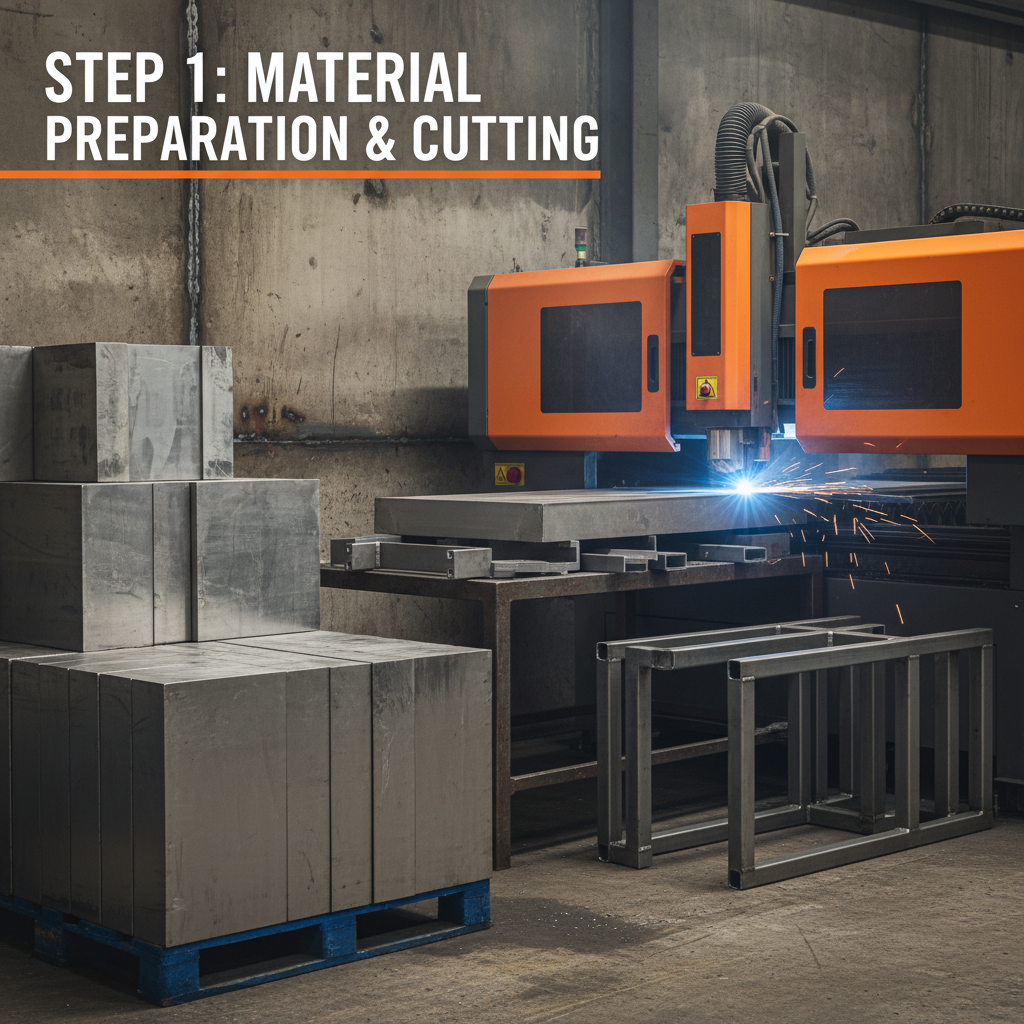
The Industrial Significance of Frozen Meat Dicer Manufacture
The global shift toward frozen food logistics has placed an immense burden on the capacity of frozen meat dicer Manufacture to keep pace with consumption patterns. In many industrialized nations, the preference for "portion-controlled" frozen meats—such as diced beef for stews or pork for stir-fry—has turned the dicer from a luxury tool into a necessity. The ability to process meat at temperatures as low as -18°C without compromising the structural integrity of the muscle fibers is what separates premium industrial equipment from basic cutting tools.
Beyond simple cutting, the significance of this manufacture lies in its role within a larger ecosystem. When integrated with Meat Vacuum Mixers or Saline Injection Machines, the frozen dicer ensures that the raw material is perfectly sized for subsequent marination and curing. This synergy reduces the overall processing time and minimizes the risk of bacterial contamination, as the meat remains in a frozen state during the primary shaping phase, aligning with ISO and HACCP global food safety guidelines.
Core Technical Components of High-Performance Dicers
At the heart of professional frozen meat dicer Manufacture is the selection of metallurgy. High-carbon stainless steel or tungsten-carbide tipped blades are standard, as they must withstand the extreme hardness of frozen proteins without chipping or dulling prematurely. The blade geometry is engineered to "shear" rather than "crush," which prevents the loss of intracellular fluids and maintains the nutritional value of the meat.
The drive system represents another critical component. High-torque gearboxes coupled with frequency-controlled motors allow operators to adjust the cutting speed based on the density of the meat. For instance, frozen lean beef requires a different torque profile than frozen fatty pork. The integration of heavy-duty bearings and reinforced frames ensures that the machine does not vibrate under load, which is essential for maintaining a consistent cube size across thousands of kilograms of output.
Finally, the feeding mechanism is designed to optimize flow. Advanced manufacturers utilize a combination of push-plates and gravity-fed hoppers to ensure that meat blocks are presented to the blades at the optimal angle. This reduces the mechanical stress on the motor and minimizes "ragged edges" on the diced cubes, ensuring a professional aesthetic that meets the high standards of retail packaging.
Quality Standards in Frozen Meat Dicer Manufacture
Precision engineering in frozen meat dicer Manufacture is measured by the "deviation percentage" of the resulting cubes. A top-tier machine ensures that 98% of the output falls within a +/- 1mm tolerance. This level of accuracy is not just about aesthetics; it is critical for the uniform cooking of food products, ensuring that every piece of meat in a consumer's meal is cooked evenly.
Furthermore, the sanitary design of frozen meat dicer Manufacture must adhere to "Clean-in-Place" (CIP) principles. This involves the use of seamless welds, rounded interior corners to prevent food traps, and the elimination of exposed bolts or rivets where bacteria could colonize. High-grade 304 or 316 stainless steel is mandatory to resist the corrosive effects of industrial cleaning agents used in meat plants.
Safety certifications, including CE and UL, are the final pillars of quality in frozen meat dicer Manufacture. These standards ensure that the machinery is equipped with emergency stop buttons, interlocking safety guards, and overload protection circuits. In an industrial environment where operators work in cold, damp conditions, these safety features are non-negotiable for protecting the workforce.
Performance Metrics and Efficiency Analysis
Evaluating the effectiveness of frozen meat dicer Manufacture requires a deep dive into throughput versus yield. Throughput refers to the total weight processed per hour, while yield refers to the percentage of usable cubes versus "scraps" or "fines." High-efficiency machines maximize yield by optimizing the blade path, ensuring that almost every gram of raw frozen block is converted into a marketable cube.
Operational costs are also a key metric, specifically energy consumption per ton of meat processed. Modern dicing technology focuses on energy-efficient motors and optimized gear ratios to reduce the carbon footprint of the facility while maintaining the high power necessary to slice through frozen tissue.
Comparative Efficiency Ratings for Frozen Meat Dicer Manufacture Methods
Global Applications Across Meat Processing Sectors
The versatility of frozen meat dicer Manufacture allows it to be deployed across various scales of operation. In large-scale industrial zones in North America and Europe, these machines are integrated into fully automatic processing lines, where they work in tandem with meat elevators and vacuum mixers to produce tons of diced protein for global export. These facilities rely on the high-capacity output of professional dicers to maintain the rhythm of the entire production chain.
Conversely, in emerging markets in Southeast Asia and South America, smaller, more modular dicers are used by boutique meat processors to add value to local livestock. By dicing meat while frozen, these processors can offer "premium" pre-cut products to local supermarkets, increasing their profit margins compared to selling whole carcasses. This democratization of technology enables smaller players to compete with global conglomerates by improving product presentation and shelf-life.
Economic Impact and Long-term Operational Value
Investing in superior frozen meat dicer Manufacture provides a tangible return on investment (ROI) through the drastic reduction of labor costs. Manual dicing of semi-frozen meat is not only slow but dangerous, with high rates of workplace injury. By automating this process, companies reduce their insurance liabilities and can reallocate their workforce to higher-value tasks, such as quality control and product development.
Sustainability is another hidden value. Efficient dicing reduces the amount of "trim" waste that usually ends up as low-value animal feed. When the dicing process is precise, more of the raw material remains as high-value human-grade food. This increase in yield directly impacts the sustainability of the meat supply chain by ensuring that fewer resources are wasted during processing.
Moreover, the reliability of high-end machinery reduces unplanned downtime. A machine built with industrial-grade components requires less frequent maintenance and has a longer operational lifespan. For a meat processing plant, a single day of downtime during peak season can cost thousands of dollars; therefore, the long-term value of a robust frozen meat dicer Manufacture outweighs the initial capital expenditure.
Future Trends in Automated Meat Dicing Technology
The future of frozen meat dicer Manufacture is inextricably linked to Industry 4.0. We are seeing the integration of IoT (Internet of Things) sensors that can monitor blade wear in real-time. These sensors notify operators when a blade is becoming dull before it begins to tear the meat, allowing for "predictive maintenance" rather than "reactive repair." This ensures that product quality never dips below the established threshold.
AI-driven vision systems are also being explored to analyze the shape and density of the frozen block before it enters the cutter. By adjusting the feed speed and pressure dynamically, the machine can compensate for irregularities in the raw material, ensuring that the final cubes are identical regardless of the input. This level of automation removes the need for constant human oversight.
Finally, there is a push toward "Green Manufacturing." Future iterations of these machines will likely utilize biodegradable lubricants and energy-recovery systems that capture the kinetic energy of the motor to power auxiliary systems. As the food industry faces increasing pressure to reduce its environmental impact, the evolution of frozen meat dicer Manufacture will focus on combining extreme power with extreme efficiency.
Technical Analysis of Frozen Meat Dicer Manufacturing Standards
| Material Grade |
Cutting Precision |
Maintenance Cycle |
Efficiency Rating |
| Stainless 304 |
+/- 2.0mm |
Bi-Weekly |
7/10 |
| Stainless 316L |
+/- 1.0mm |
Monthly |
9/10 |
| Alloy Steel |
+/- 3.0mm |
Weekly |
6/10 |
| Tungsten Carbide |
+/- 0.5mm |
Quarterly |
10/10 |
| Hardened Chrome |
+/- 1.5mm |
Monthly |
8/10 |
| Composite Alloy |
+/- 1.2mm |
Bi-Monthly |
8/10 |
FAQS
For optimal results in frozen meat dicer Manufacture, the meat should ideally be maintained between -12°C and -18°C. At this temperature, the proteins are sufficiently rigid to be sheared into clean cubes without sticking to the blades or "smearing," which happens when the meat is too soft. This ensures maximum precision and hygienic stability.
This depends on the material and volume. Tungsten carbide blades can last several months, while standard stainless steel may require honing every 2-4 weeks. We recommend monitoring the "cube regularity"; once the edges begin to appear rounded rather than sharp, it is time for a blade replacement or sharpening cycle to maintain yield.
Yes, most professional dicers are versatile. However, the operator should adjust the feed speed and motor torque. Beef is denser and requires more power, whereas poultry is softer and can be processed faster. High-quality manufacture includes adjustable settings to accommodate these varying densities without overloading the motor.
Absolutely. Most modern frozen meat dicer Manufacture designs include standard conveyor interfaces and PLC (Programmable Logic Controller) compatibility. This allows the dicer to synchronize with meat elevators and vacuum mixers, creating a seamless flow from raw frozen block to packaged diced product.
The primary risks are blade contact and mechanical entanglement. To mitigate this, professional machines use interlocking guards that shut down the motor instantly if a panel is opened. Additionally, emergency stop buttons are placed at strategic points to ensure the operator can halt the process immediately in case of a malfunction.
Cleaning involves a three-step process: a coarse rinse to remove meat debris, an application of food-grade alkaline detergent, and a final sanitizing rinse. Because our machines use seamless welds and high-grade stainless steel, they are compatible with high-pressure sprayers, ensuring no bacterial buildup in hard-to-reach areas.
Conclusion
The specialized field of frozen meat dicer Manufacture represents the intersection of metallurgical science and food safety. By prioritizing precision, sanitary design, and mechanical durability, manufacturers enable food processors to scale their operations while maintaining a level of product consistency that is unattainable by manual means. From the selection of tungsten carbide blades to the implementation of IoT-based predictive maintenance, every technical detail serves the goal of maximizing yield and minimizing waste.
Looking forward, the meat processing industry will continue to evolve toward greater automation and environmental sustainability. Businesses that invest in high-performance dicing technology today are not only improving their current ROI but are also future-proofing their operations against rising labor costs and stricter global food safety regulations. For those seeking to optimize their production line with world-class equipment, visiting our website is the first step toward industrial excellence. Visit our website: www.hamkms.com
 Email: kemaisi17710570236@gmail.com
 Tel: +86 18031173072