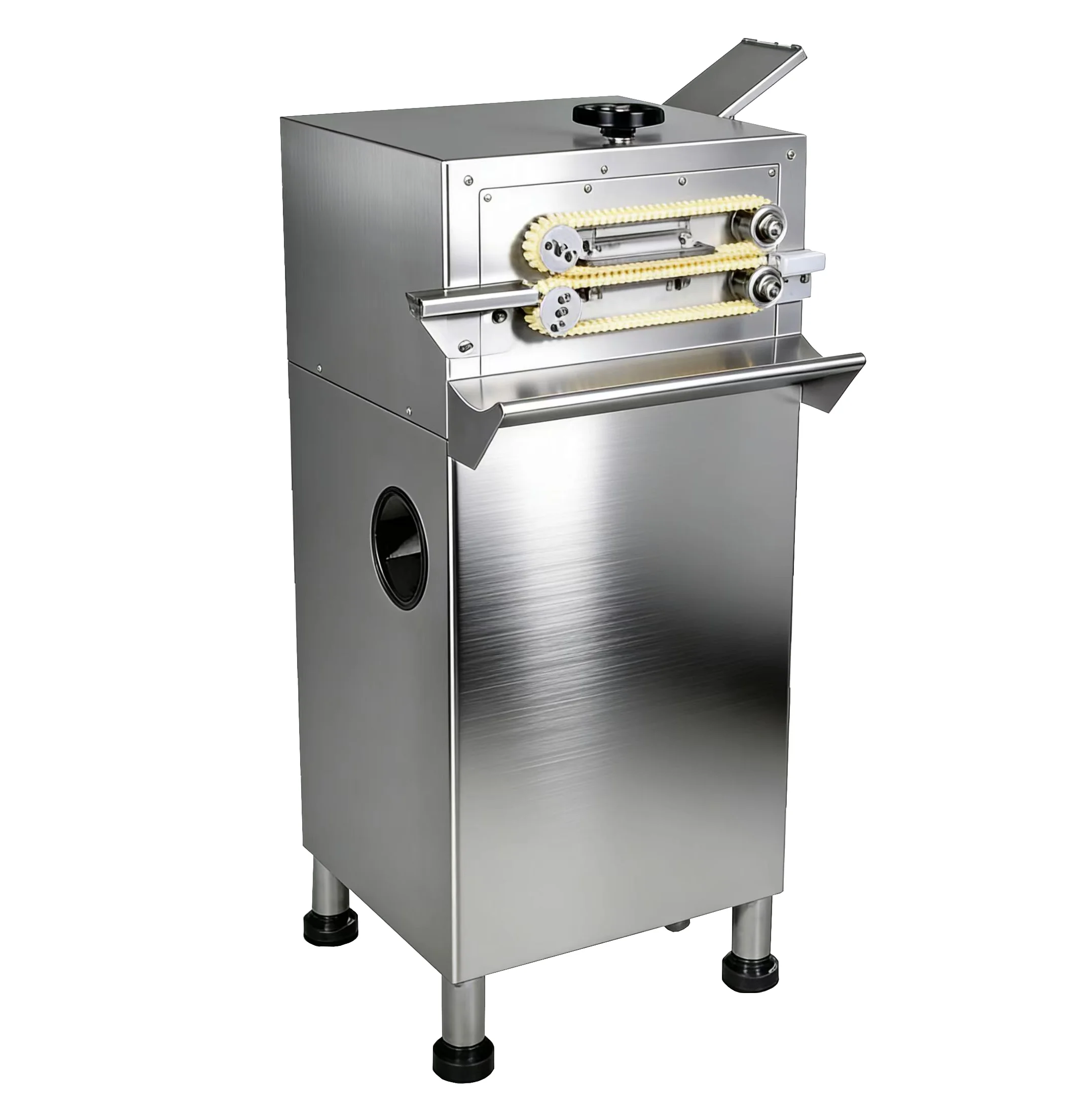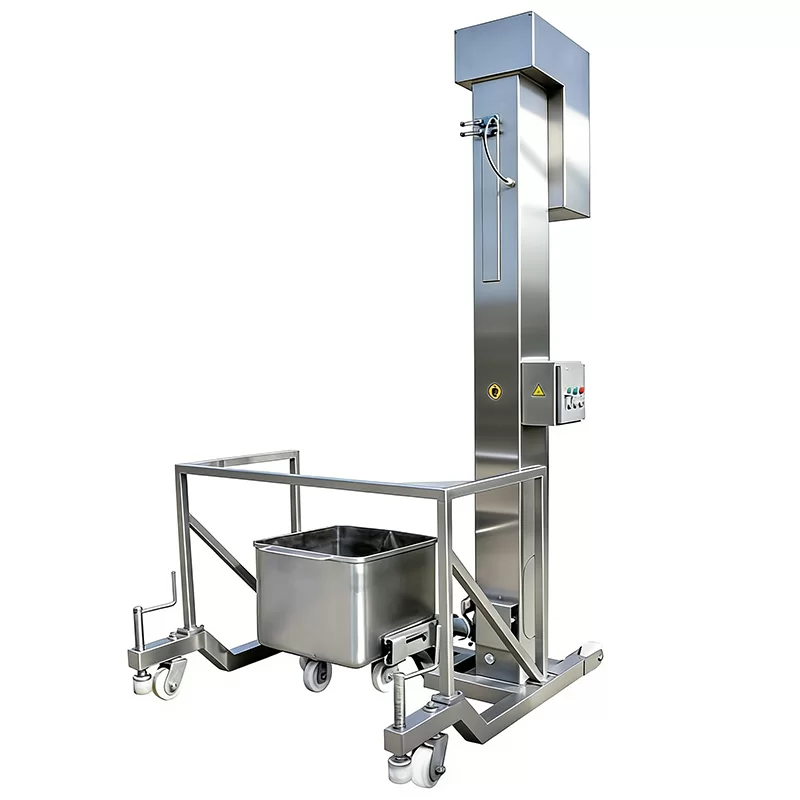
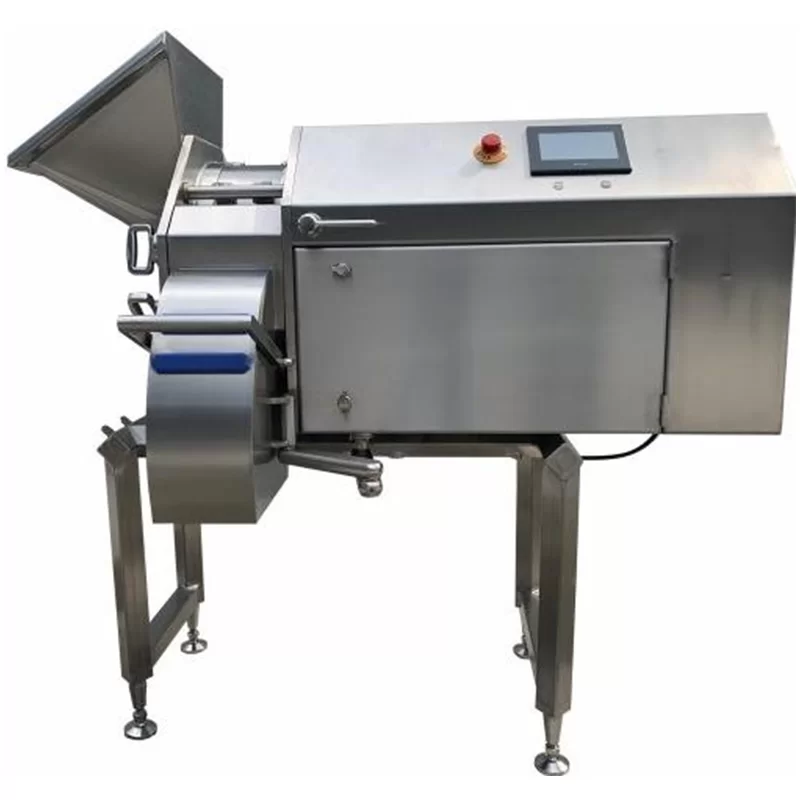
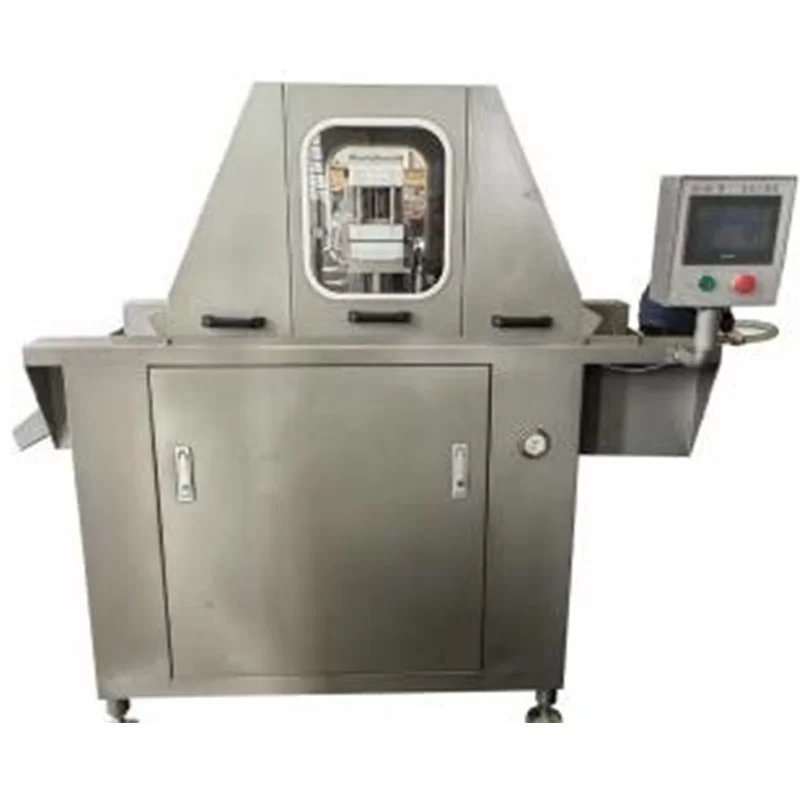
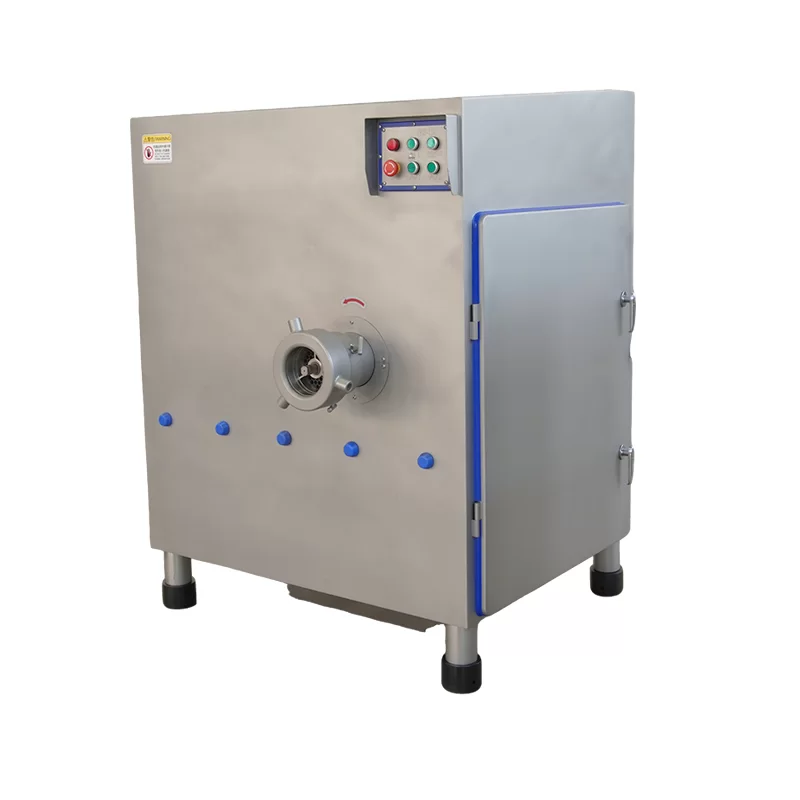
The food processing industry in Cuba currently faces a transitional phase where traditional manual methods are being replaced by semi-automated systems. Due to the tropical climate and high humidity of the region, there is an urgent demand for stainless steel equipment like the meat slicer frozen beef that can resist corrosion and maintain hygiene standards.
Economic shifts toward localized food security have led Cuban cooperatives to seek more efficient ways to process proteins. The integration of a frozen chicken cutting machine allows local producers to handle bulk imports more effectively, reducing waste and labor costs in urban centers like Havana.
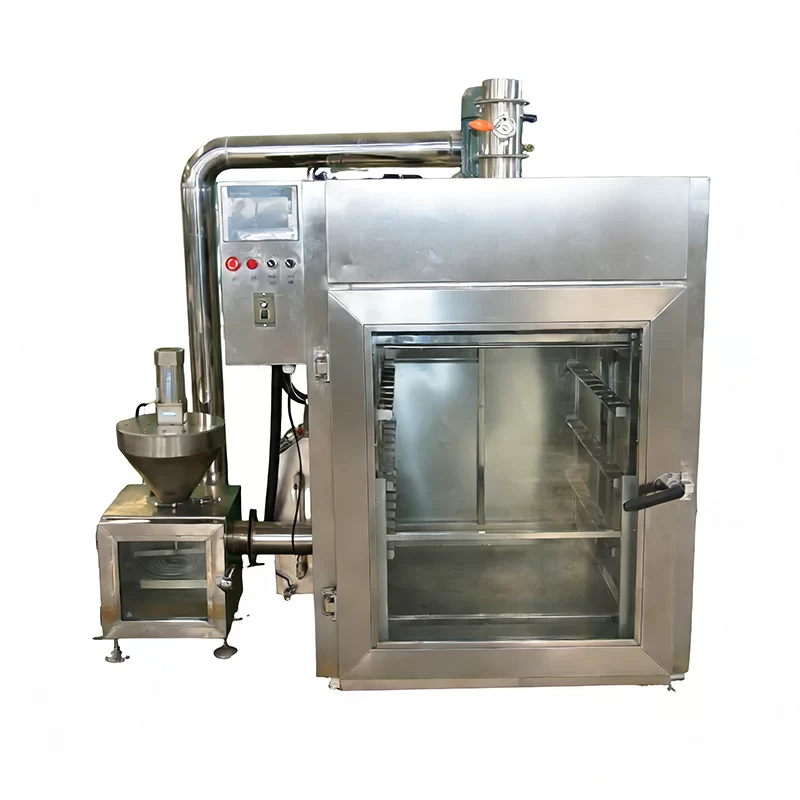
However, energy stability remains a challenge. The shift toward high-torque, energy-efficient knotting machines and automated fillers is critical for upgrading the domestic sausage and cured meat production lines to meet international export quality.