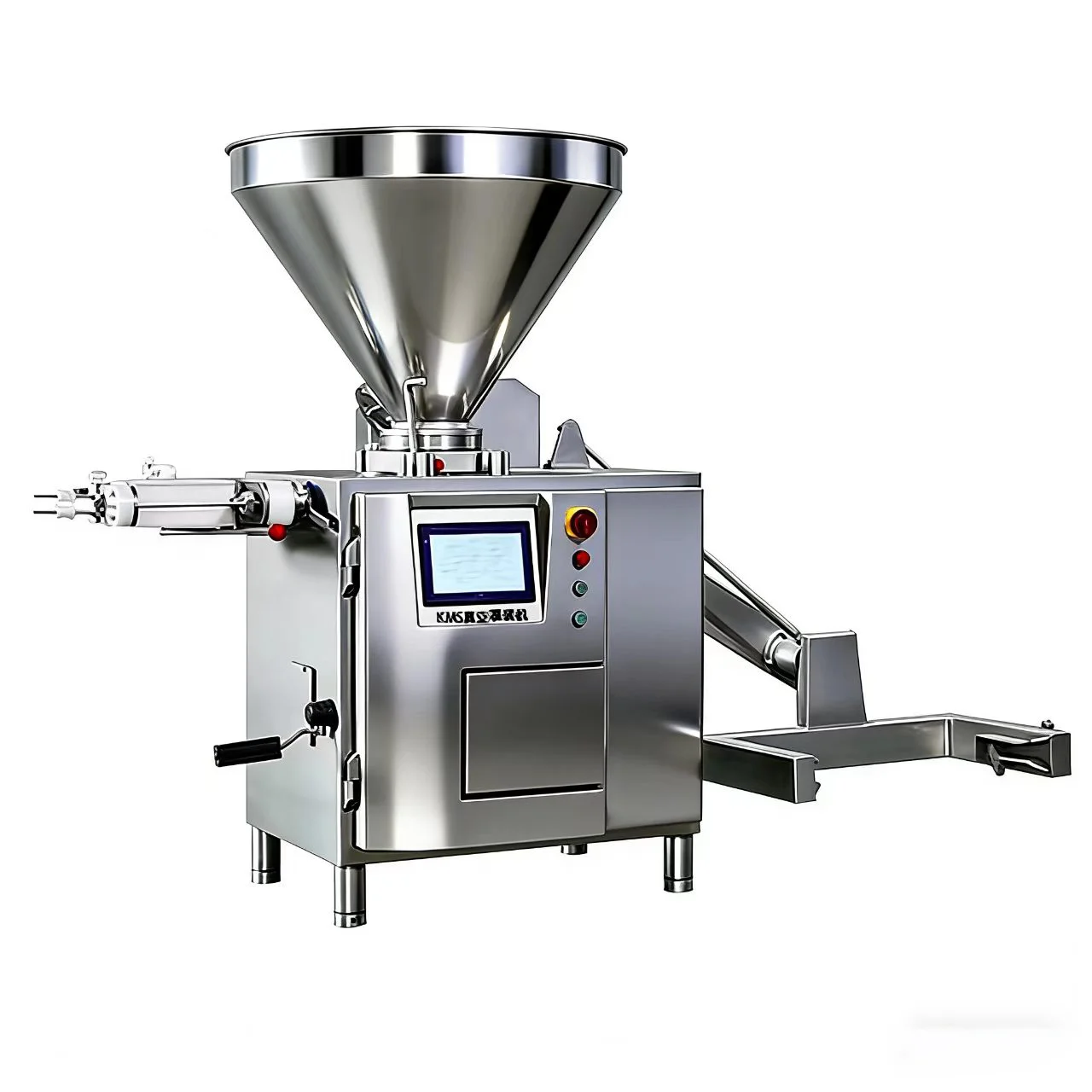
Advanced Meat Processing Solutions featuring Electric Frozen Meat Cutter for Afghanistan
  • Home
  • Global Service
  • Advanced Meat Processing Solutions featuring Electric Frozen Meat Cutter for Afghanistan

Advanced Meat Processing Solutions featuring Electric Frozen Meat Cutter for Afghanistan

Empowering Afghanistan's food industry with precision cutting, filling, and packaging technology to ensure food security and operational efficiency.

Advanced Meat Processing Solutions featuring Electric Frozen Meat Cutter for Afghanistan

Our comprehensive equipment suite integrates high-performance electric frozen meat cutter and slicing technologies to optimize meat production lines across Afghanistan.

The State of Meat Processing Infrastructure in Afghanistan

Analyzing the transition from artisanal butchery to industrial standardization in the Afghan market.

In Afghanistan, the meat processing sector is currently characterized by a heavy reliance on manual labor and traditional methods. Due to the arid climate and specific cold-chain challenges, the demand for a reliable meat slicer frozen beef has increased as businesses move toward frozen storage to reduce spoilage during seasonal temperature swings.

Economic fluctuations have led local producers to seek cost-effective yet durable machinery. There is a growing trend toward integrating the sausage filling machine into small-to-medium enterprises (SMEs) in Kabul and Herat to diversify product offerings and increase the shelf-life of processed meats.

Despite infrastructure hurdles, the adoption of semi-automatic systems is accelerating. The industry is shifting toward energy-efficient models that can withstand local power instabilities, making the transition to automated processing a critical survival strategy for local meat manufacturers.
Technical Evolution and Development Trajectory

From manual knives to precision-engineered automated systems.

Market Development History

Historically, before 2010, Afghan meat processing was almost exclusively manual. The primary tools were hand-operated knives and basic grinders, resulting in inconsistent product quality and low output speeds.

Between 2011 and 2020, the market saw the introduction of basic electric machinery. The arrival of the frozen chicken cutting machine allowed processors to handle imported poultry more efficiently, reducing waste and improving the precision of cuts.

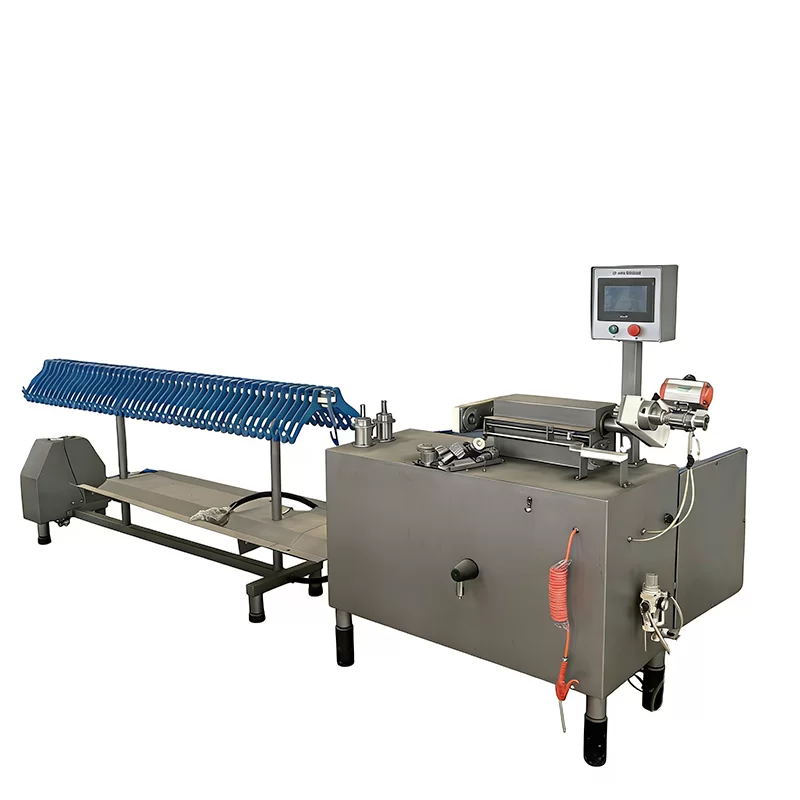
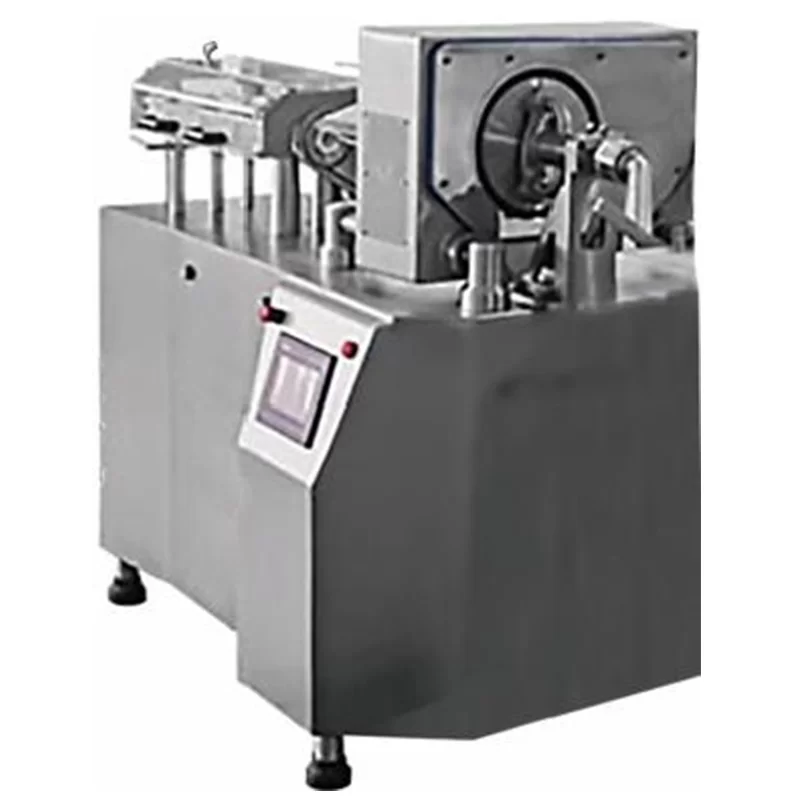
Since 2021, the focus has shifted toward complete line integration. The introduction of professional knotting machines has modernized the packaging stage, enabling a professional appearance for traditional sausages and casings.

Future Development Trends

Precision Automation

Increased adoption of PLC-controlled systems to minimize human error and maximize the yield of expensive raw materials.

Cold-Chain Integration

Development of machinery that operates at ultra-low temperatures to maintain the "frozen state" during slicing, reducing drip loss.

Modular Scalability

A shift toward modular equipment that allows small Afghan workshops to start with a basic cutter and expand to a full line as demand grows.

Future Trends and Industrial Outlook

Predicting the next 5 years of food machinery growth based on Google Search trends and regional economic shifts.

Energy-Efficient Motors
Implementing low-voltage, high-torque motors to combat power instability in rural Afghan provinces.
Hygienic Design Standards
Shift towards full 304 stainless steel construction to meet international food safety (HACCP) requirements.
Smart Cutting Software
Introduction of digital thickness controls to standardize slices across different beef and chicken batches.
Rapid Packaging Loops
Integrated filling and knotting systems to accelerate the "farm-to-table" speed for local Afghan markets.

Industry Outlook

The Afghan meat industry is poised for a "technological leapfrog," skipping intermediate stages and moving directly from manual labor to digital automation. We anticipate a surge in search volume for multi-functional machines that combine cutting and slicing.

Strategically, the growth will be driven by the urbanization of Kabul and Mazar-i-Sharif, where the demand for pre-sliced, packaged frozen meats is rising among the growing middle-class population.

Local Application Scenarios in Afghanistan

Practical implementations of our machinery in diverse Afghan business environments.

1. Urban Meat Supermarkets in Kabul

Utilizing the meat slicer frozen beef to provide consistent, thin-sliced beef for quick-cook meals, meeting the demand for convenience in the capital's fast-paced markets.

2. Poultry Processing Hubs in Herat

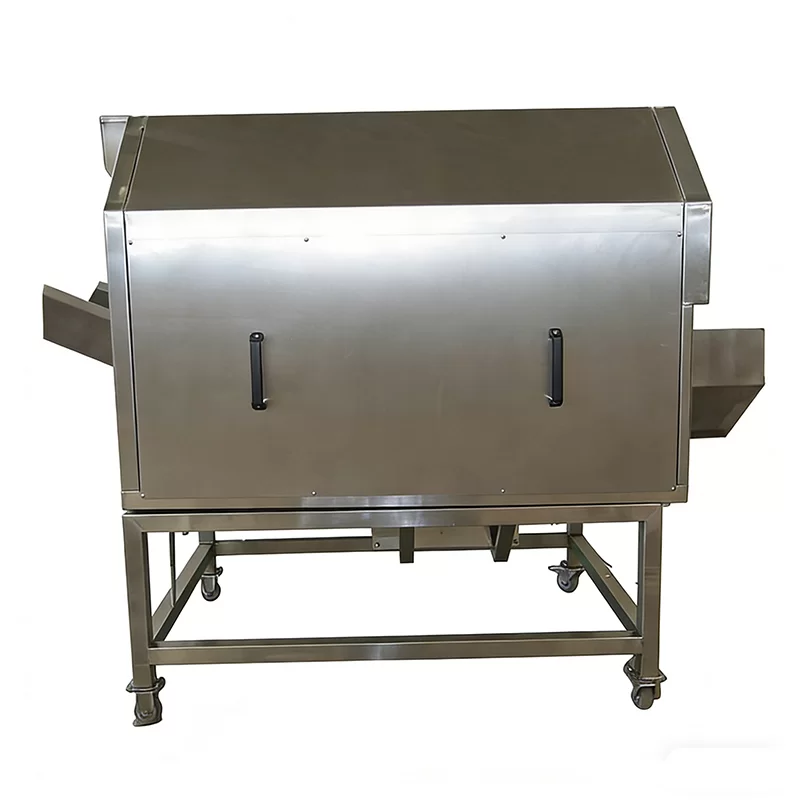
Deploying the frozen chicken cutting machine to process imported frozen poultry into portions, reducing manual cutting time by 70%.

3. Traditional Sausage Artisan Workshops

Upgrading local workshops with a sausage filling machine and knotting machines to standardize traditional Afghan sausage production for wider distribution.

4. Regional Cold Storage Facilities

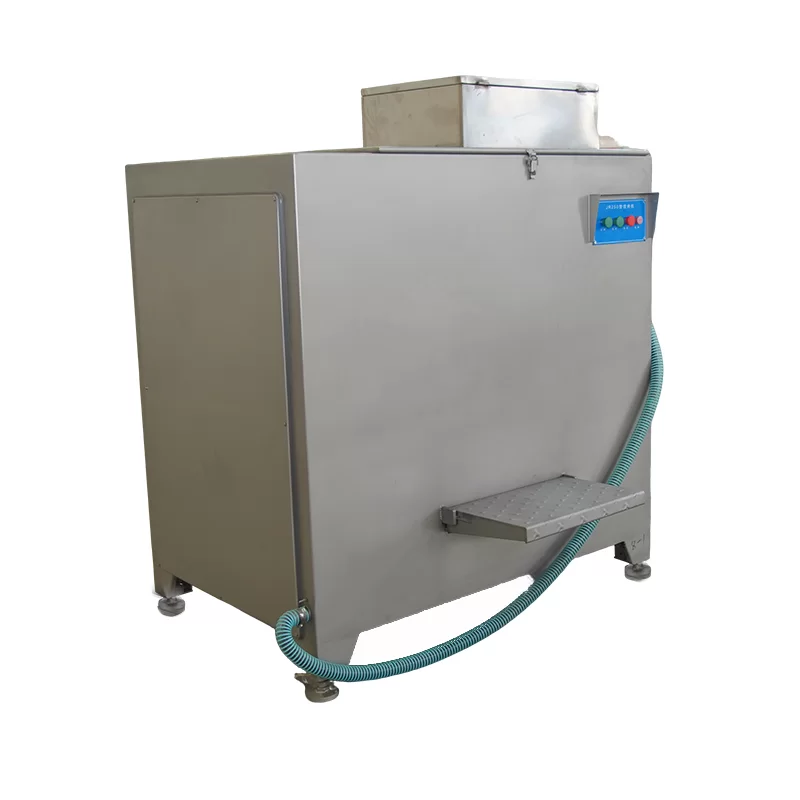
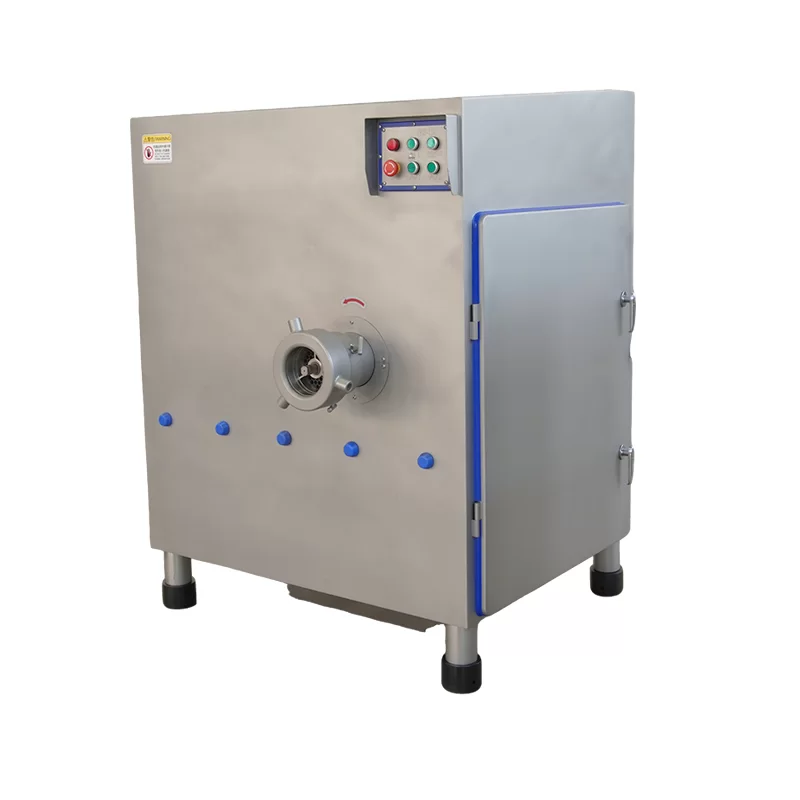
Installing an electric frozen meat cutter directly within cold rooms to allow cutting without thawing, preserving meat quality and preventing bacterial growth.

5. Army and Institutional Catering

Using high-capacity industrial cutters to process bulk meat portions for government institutions and large-scale cafeterias, ensuring precise portion control.

Brand Story

Global Development History of Hebei Kaimaisi Machinery Equipment Co., Ltd.

Foundation of Excellence

Established with a vision to bridge the gap between complex industrial needs and accessible machinery, focusing on robust food-grade engineering.

Technological Breakthroughs

Developed patented cutting blade geometries that revolutionized the efficiency of frozen meat processing globally.

Global Market Expansion

Expanded our footprint into Central Asia and Afghanistan, adapting machines to withstand extreme climates and power variations.

Customer-Centric Innovation

Launched a series of modular food machines specifically designed for SMEs, reducing the entry barrier for food entrepreneurs.

Sustainable Future

Committed to creating energy-saving equipment that reduces the carbon footprint of the food processing industry worldwide.

Complete Meat Processing Equipment Portfolio for Afghanistan

A full-spectrum solution from raw frozen blocks to packaged retail products.

Common Questions for Afghan Meat Processors

Expert answers to the most frequent technical and logistical queries in the region.

Can the electric frozen meat cutter operate with unstable power supply?

Yes, our machines are designed with voltage stabilization compatibility and high-torque motors that can handle the typical power fluctuations found in Afghan industrial zones.

What is the ideal temperature for using a meat slicer frozen beef?

For the best precision and safety, we recommend slicing beef at temperatures between -2°C and -10°C to ensure a clean cut without thawing the product.

How to maintain a frozen chicken cutting machine in dusty environments?

We recommend daily cleaning of the stainless steel surfaces and weekly lubrication of the moving parts using food-grade grease to prevent dust interference.

Does the sausage filling machine support different casing diameters?

Absolutely. Our filling machines come with a variety of interchangeable nozzles to accommodate various traditional Afghan sausage sizes.

Are knotting machines easy to operate for unskilled labor?

Yes, our knotting machines feature a simplified mechanical interface that requires minimal training, making them ideal for rapid workforce deployment.

What is the warranty process for machinery exported to Afghanistan?

We provide a comprehensive warranty including remote technical support and a supply of critical wear-and-tear spare parts shipped directly to your facility.

Ready to Modernize Your Production?

Contact our specialists today for a tailored meat processing equipment consultation for your business in Afghanistan.

Contact Us Now

If you are interested in our products, you can choose to leave your information here, and we will be in touch with you shortly.