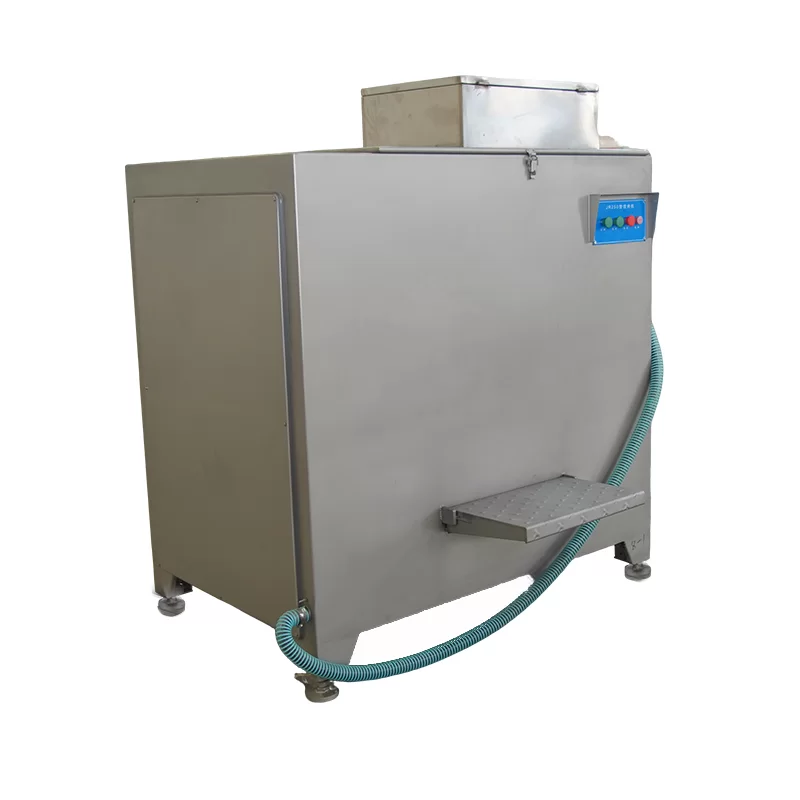
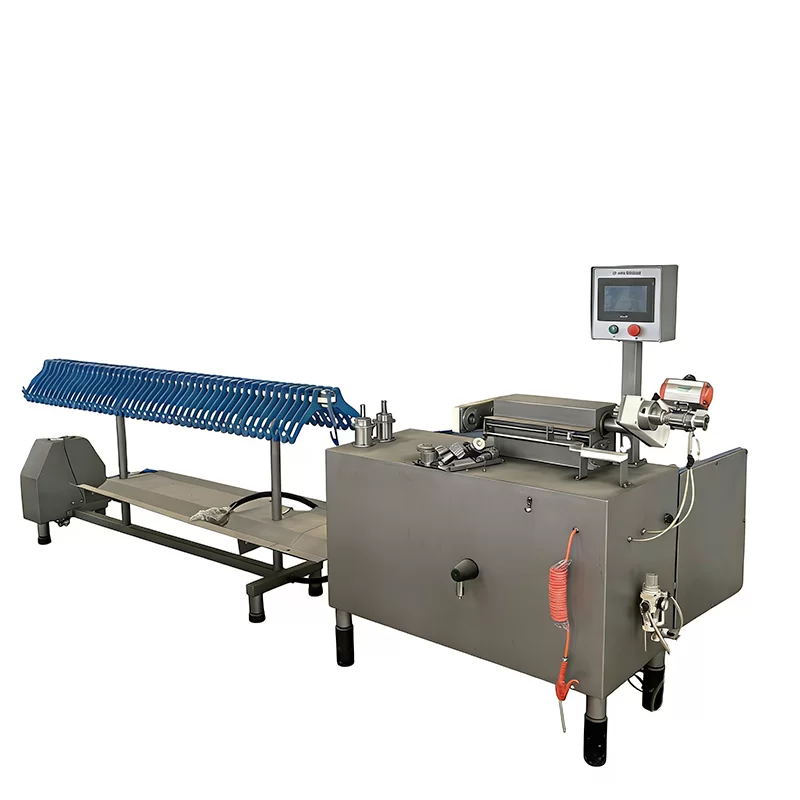
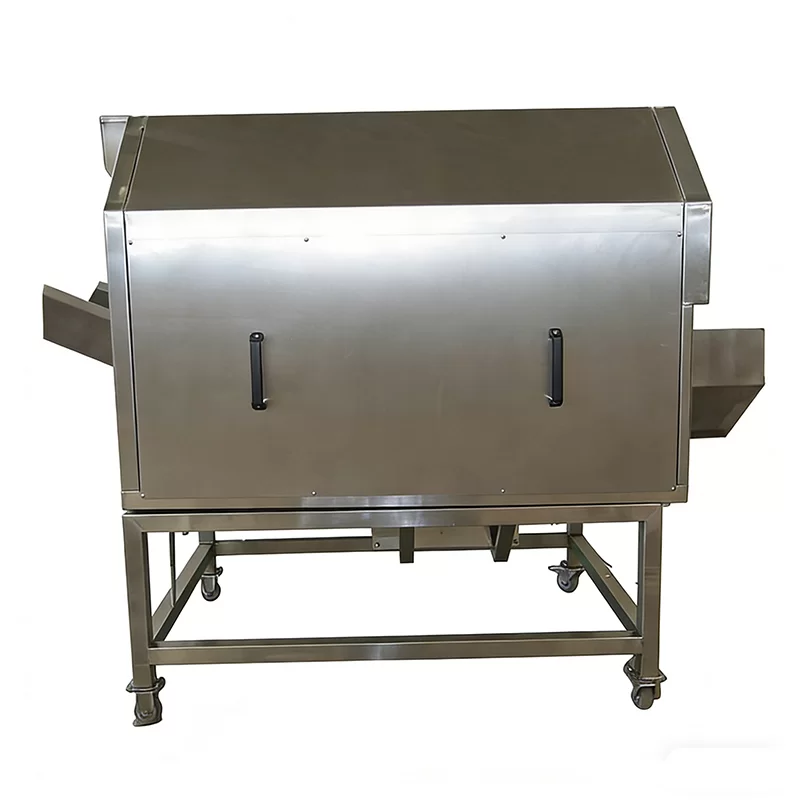
Advanced Meat Processing Solutions for electric frozen meat cutter in Japan
  • Home
  • Global Service
  • Advanced Meat Processing Solutions for electric frozen meat cutter in Japan

Advanced Meat Processing Solutions for electric frozen meat cutter in Japan

Precision engineering meeting Japanese quality standards for high-efficiency food production and processing.

Advanced Meat Processing Solutions for electric frozen meat cutter in Japan

We provide a comprehensive range of high-precision equipment designed to optimize the productivity of Japanese meat processing facilities, ensuring strict adherence to hygiene and quality control.

The Current Landscape of Food Machinery in Japan

Analyzing the demand for automation in the Japanese meat industry.

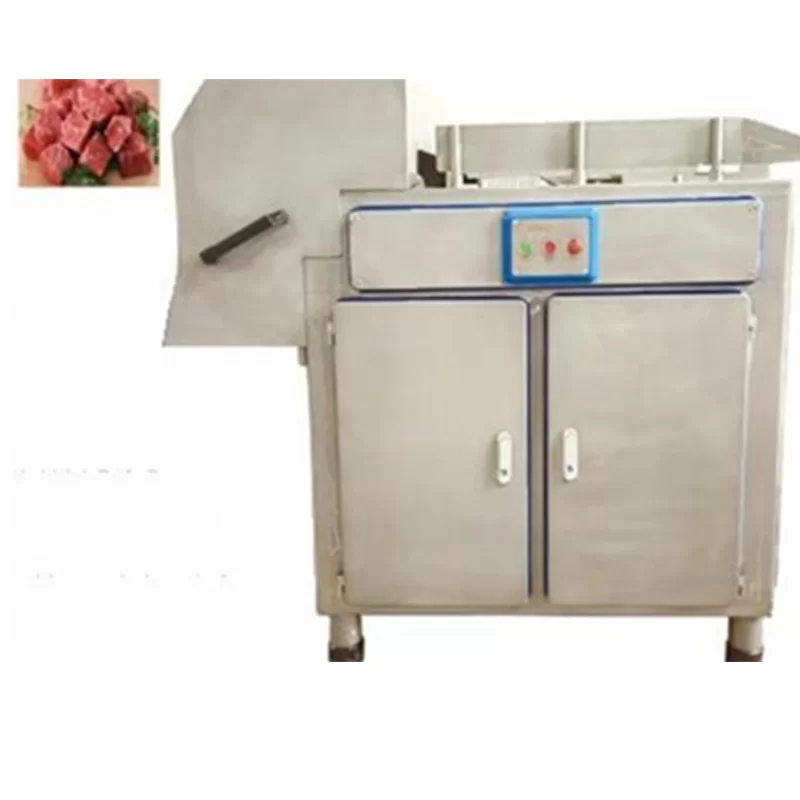
The Japanese meat processing sector is currently facing a critical shortage of skilled labor, forcing manufacturers to pivot toward highly automated solutions. The integration of a high-performance meat slicer frozen beef has become essential for maintaining consistency in portion control and reducing waste in high-end Wagyu and beef processing plants.

Due to Japan's strict food safety laws and the geographic constraints of urban production facilities, there is a growing demand for compact, energy-efficient machinery. The adoption of the frozen chicken cutting machine allows plants to process imports efficiently while meeting the precision requirements of Japanese retail standards.

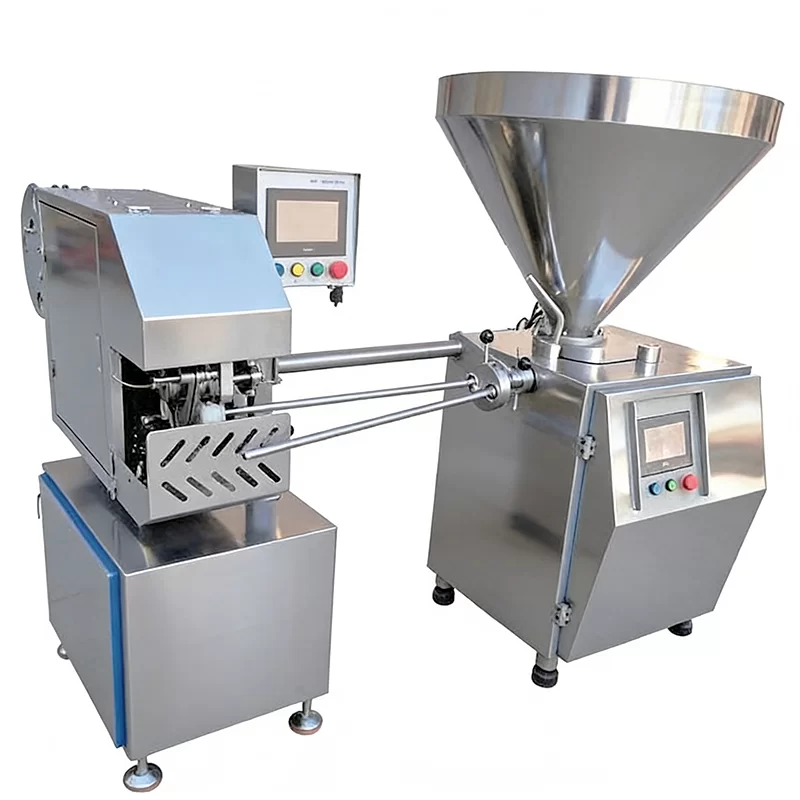
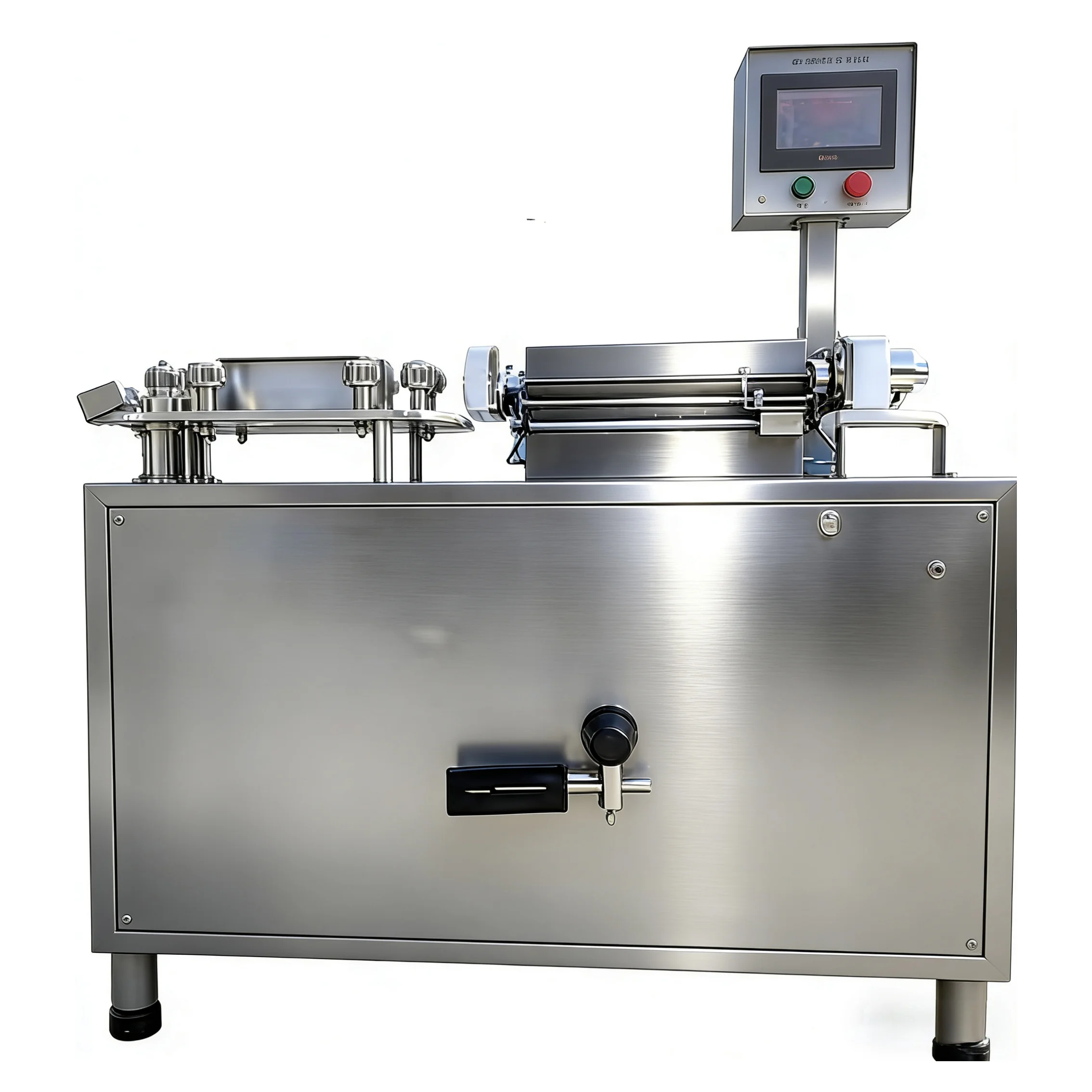
Economic pressures and the rise of ready-to-eat meals have accelerated the need for versatile equipment. From artisanal butcher shops to industrial plants, the implementation of an efficient sausage filling machine is key to scaling production without sacrificing the traditional quality Japanese consumers expect.
Technical Evolution and Market Trajectory

From manual craftsmanship to intelligent automation in meat processing.

Market Development History

In the late 20th century, the Japanese market relied heavily on manual cutting and traditional stuffing methods, prioritizing the "shokunin" (craftsman) approach. However, the 2000s marked a transition toward semi-automation to combat rising labor costs.

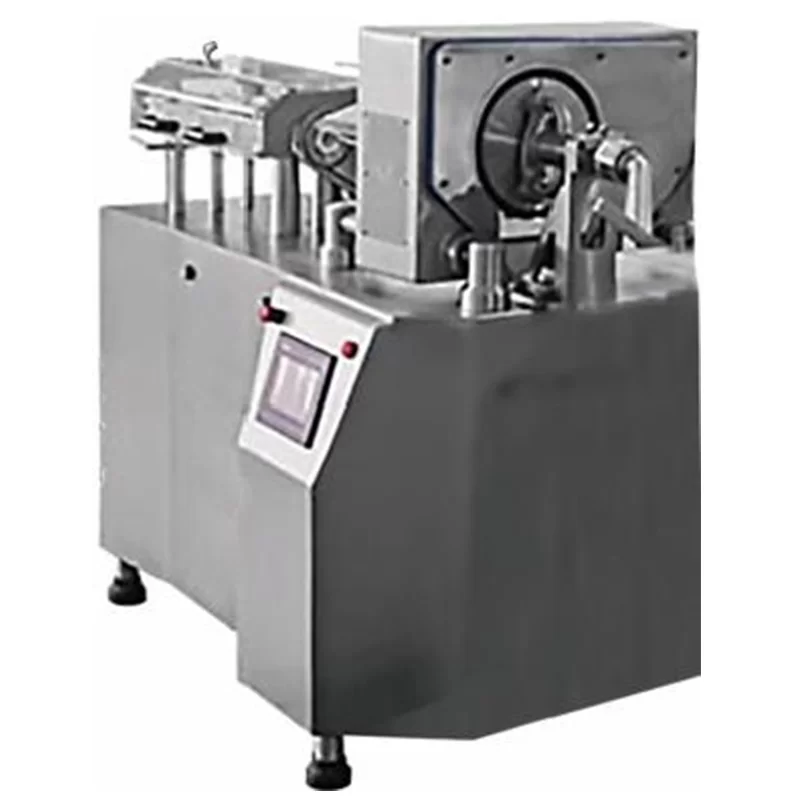
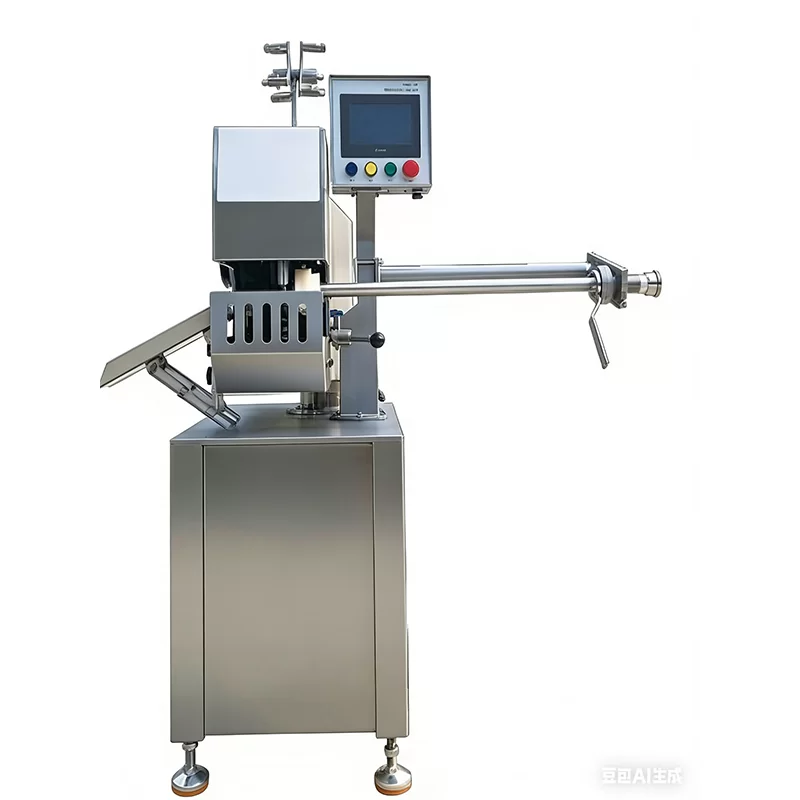
By 2010, the introduction of PLC-controlled systems revolutionized the industry. The evolution of knotting machines shifted from simple mechanical ties to synchronized automatic systems, drastically increasing the speed of sausage packaging.

Currently, the market is in the "Smart Manufacturing" phase. Modern equipment now integrates IoT sensors and precision temperature control to ensure that meat integrity is preserved during the cutting process, regardless of the freezing point.

Future Development Trends

AI-Driven Precision Cutting

Integration of computer vision to automatically detect meat grain and bone structure, optimizing the yield of every cut.

Sustainability and Energy Efficiency

Development of low-energy motors and biodegradable lubricants to meet Japan's stringent "Green Society" environmental targets.

Modular Plug-and-Play Systems

Moving toward modular equipment layouts that can be quickly reconfigured for different product lines, such as switching between beef and poultry.

Future Trends and Strategic Outlook

Predicting the next 5 years of food machinery innovation in Japan.

Hyper-Automation Integration
Reducing human touchpoints through fully synchronized conveyor and cutting systems to enhance hygiene.
Precision Thermal Control
Advanced cooling systems within cutters to prevent meat tempering during high-speed slicing.
Zero-Waste Engineering
Optimizing cut patterns via software to maximize the usable area of expensive meat cuts.
IoT Predictive Maintenance
Real-time monitoring of blade wear and motor health to prevent unplanned production downtime.

Industry Outlook

Based on Google search trends in Asia, there is a significant increase in queries regarding "automated food safety" and "robotic meat processing" within Japan. This suggests a shift from simple mechanical aids to integrated robotic ecosystems.

We expect the convergence of high-speed slicing and automatic packaging to become the standard. The ability to synchronize a cutter with a packaging line will be the primary competitive advantage for Japanese manufacturers.

Localized Application Scenarios in Japan

Real-world implementations of our equipment across different Japanese business scales.

01. High-End Wagyu Processing Centers

Utilizing the meat slicer frozen beef to achieve micron-level thickness for shabu-shabu and sukiyaki cuts, ensuring visual perfection and texture consistency.

02. Industrial Poultry Import Facilities

Deploying the frozen chicken cutting machine in large-scale warehouses to rapidly process imported frozen blocks into retail-ready portions.

03. Regional Artisan Sausage Workshops

Implementing the sausage filling machine to maintain traditional recipes while increasing output to meet the demands of urban convenience stores.

04. Specialized Cold-Chain Logistics Hubs

Integrating the electric frozen meat cutter for on-demand slicing services, reducing the need for secondary thawing and processing at the retail end.

05. Commercial Meat Packaging Plants

Using automated knotting machines to seal premium sausages at high speeds, ensuring leak-proof packaging for long-distance transport within Japan.

Brand Story

Global Development History of Hebei Kemaise Machinery Equipment Co., Ltd.

Founding Vision

Established with a mission to bridge the gap between industrial power and surgical precision in meat processing equipment.

Technical Breakthroughs

Developed proprietary blade alloys and motor synchronization technology to handle ultra-frozen meat without cellular damage.

Global Expansion

Expanded operations into the Japanese market, adapting our designs to meet the world's most stringent quality and hygiene standards.

Client-Centric Innovation

Implemented a feedback-loop system where Japanese plant managers help shape the next generation of our automation software.

Future Commitment

Dedicated to creating a sustainable, labor-efficient future for the global food industry through intelligent machinery.

Comprehensive Meat Processing Portfolio for the Japanese Market

Our full suite of specialized equipment tailored for Asia's most demanding food production environments.

Frequently Asked Questions in Japan

Expert answers to common technical and operational queries.

How does the electric frozen meat cutter handle ultra-low temperatures?

Our cutters use specialized high-torque motors and temperature-resistant alloys that maintain structural integrity and cutting precision even at -40°C.

Can the meat slicer frozen beef be adjusted for different thicknesses?

Yes, it features a digital precision adjustment system allowing users to set thicknesses from 0.1mm to 50mm with absolute consistency.

Is the frozen chicken cutting machine compatible with Japanese hygiene standards?

Absolutely. All surfaces are constructed from SUS304 food-grade stainless steel and designed with "easy-clean" geometry to prevent bacterial buildup.

What is the capacity of the industrial sausage filling machine per hour?

Depending on the model, our machines can handle from 200kg to 2,000kg per hour, ensuring stable vacuum pressure for a dense, bubble-free product.

How often do the blades in the knotting machines need replacement?

Using our tungsten-carbide coated blades, typical replacement intervals are every 5-8 million cycles, depending on the casing material used.

Do you provide on-site technical support in Japan?

We provide comprehensive remote diagnostics and collaborate with local partners to ensure rapid on-site maintenance and calibration services.

Ready to Optimize Your Production?

Contact our specialists today for a customized equipment consultation tailored to your facility in Japan.

Contact Us Now

If you are interested in our products, you can choose to leave your information here, and we will be in touch with you shortly.