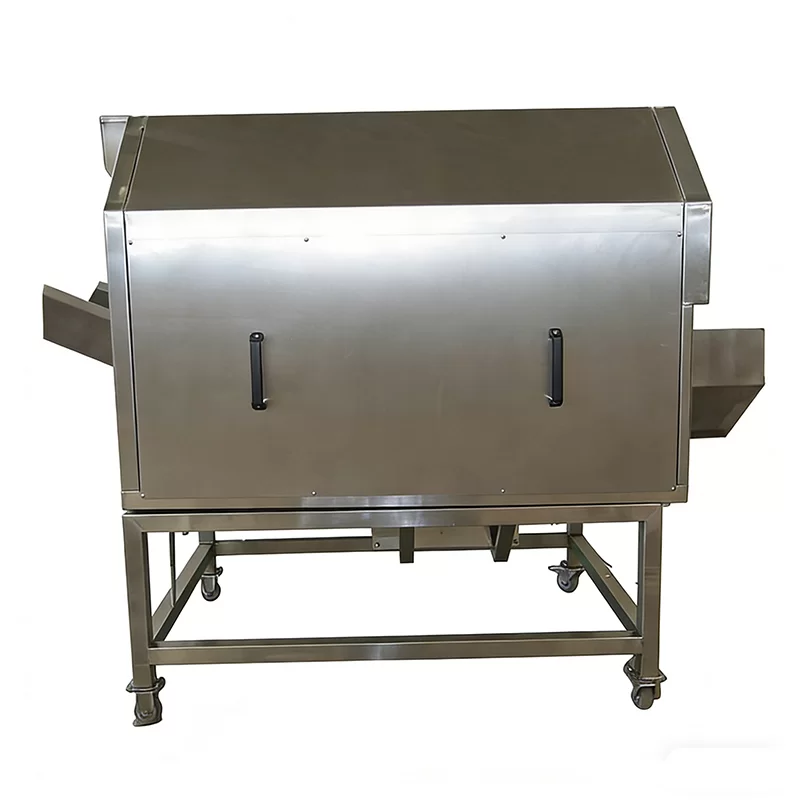
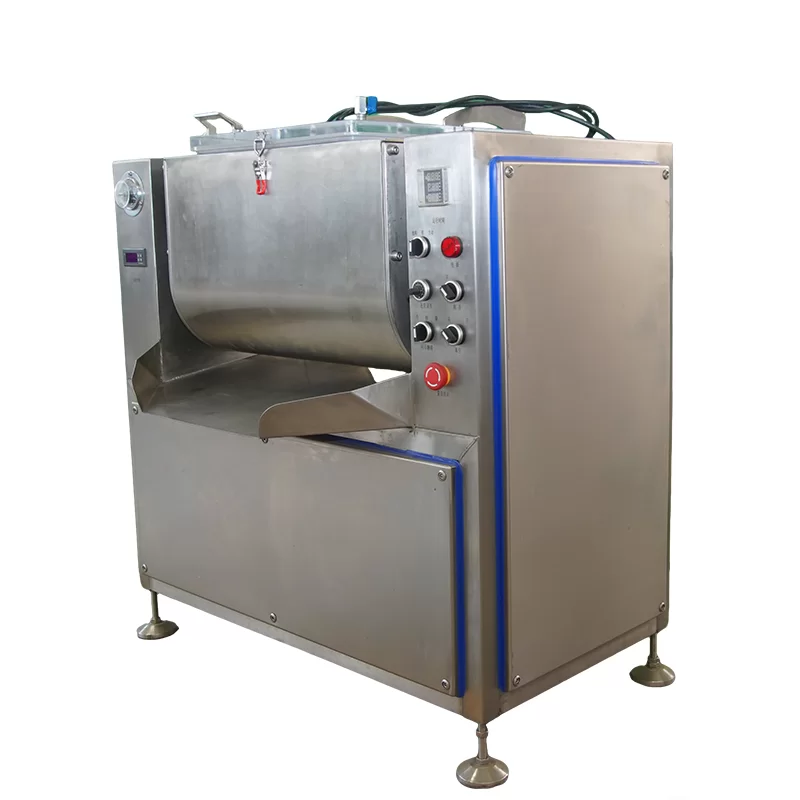
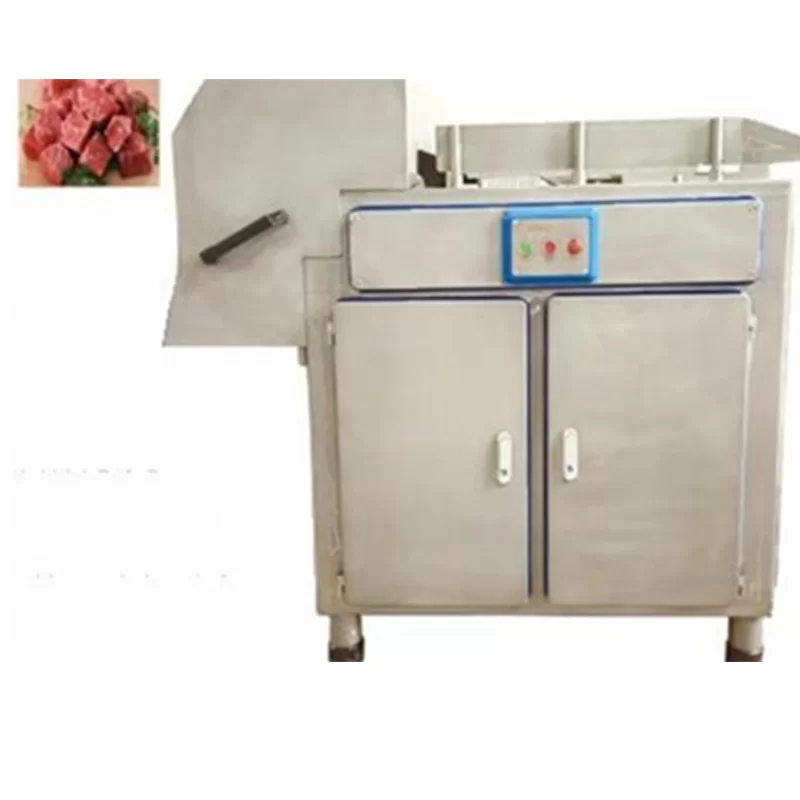
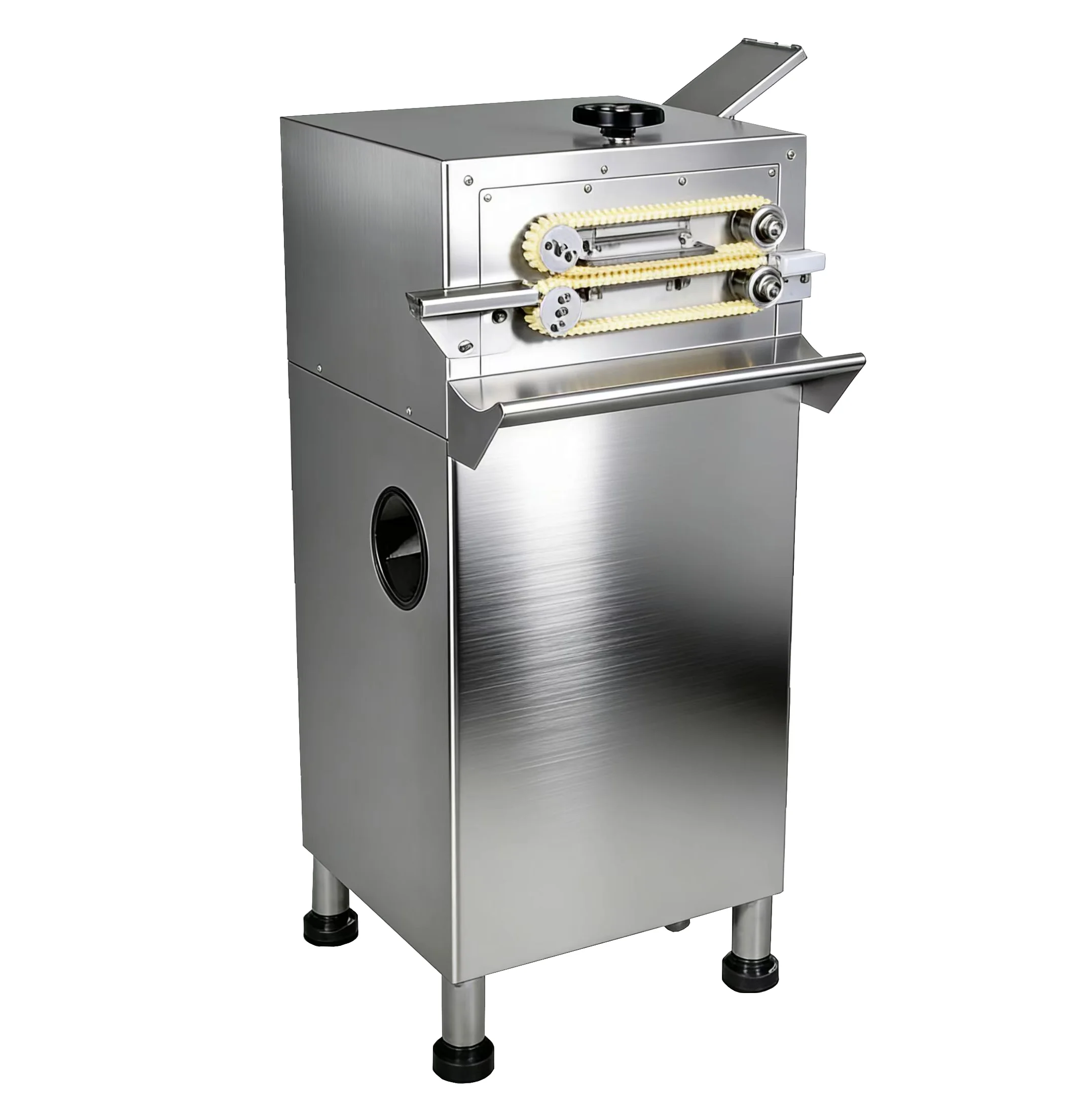
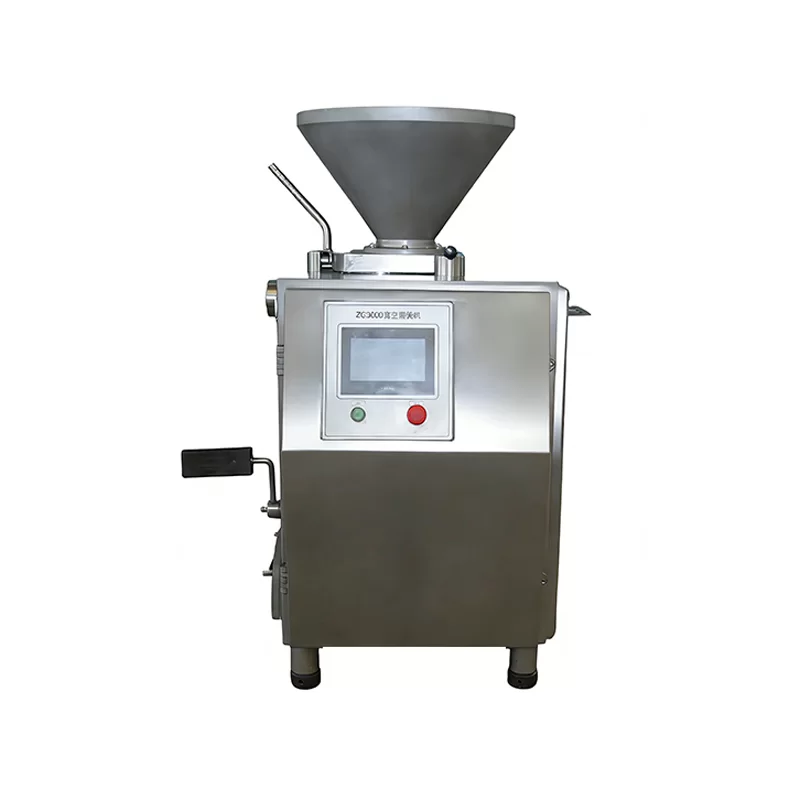
Advanced Meat Processing Solutions for DRC with electric frozen meat cutter
  • Home
  • Global Service
  • Advanced Meat Processing Solutions for DRC with electric frozen meat cutter

Advanced Meat Processing Solutions for DRC with electric frozen meat cutter

Optimizing food production efficiency in the Democratic Republic of the Congo through high-precision cutting and filling technology.

Advanced Meat Processing Solutions for DRC with electric frozen meat cutter

Empowering DRC's meat industry with industrial-grade machinery designed for high-volume frozen beef, pork, and poultry processing to meet growing urban demand.

The State of Meat Processing in the Democratic Republic of the Congo

Navigating the challenges of cold chain logistics and processing capacity in Central Africa.

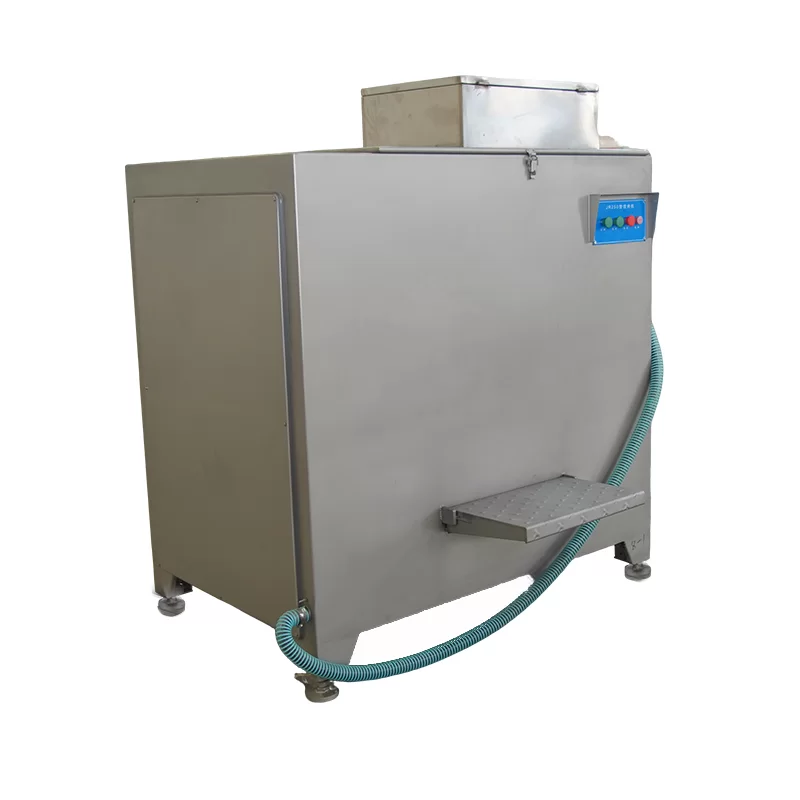
In the Democratic Republic of the Congo, the meat processing sector is currently transitioning from artisanal methods to semi-industrial scales. Due to the tropical climate and intermittent power supply, the reliance on frozen storage is absolute, making the demand for a robust meat slicer frozen beef critical for maintaining product integrity during distribution in Kinshasa and Lubumbashi.

Many local producers struggle with the inefficiency of manual cutting, which leads to high waste rates and inconsistent product sizing. The integration of an electric frozen meat cutter allows processors to handle bulk frozen imports and local livestock more effectively, ensuring a standardized output that meets the requirements of modern supermarkets and hotels.

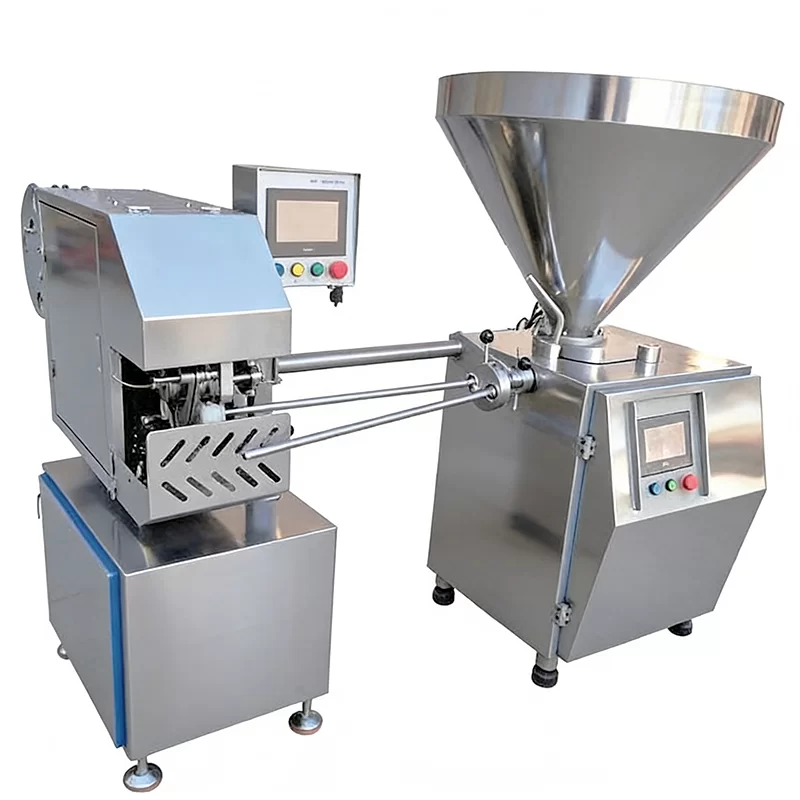
Furthermore, the emerging processed meat market in DRC, specifically for sausages and deli meats, is hindered by a lack of automation. The adoption of a professional sausage filling machine is becoming a priority for entrepreneurs looking to scale their production while maintaining strict hygiene standards in a challenging humid environment.
Evolution and Technological Trajectory of DRC Meat Processing

From traditional butchery to automated cold-chain processing lines.

Market Development History

Prior to 2010, meat processing in the DRC was predominantly manual, relying on traditional knives and hand-cranked fillers. The "Artisanal Era" was characterized by low throughput and significant vulnerability to temperature fluctuations, which often compromised the shelf life of meat products.

Between 2010 and 2020, the "Mechanization Phase" saw the introduction of basic electric slicers. Local businesses began importing second-hand equipment to handle frozen poultry, although these machines often failed due to the high humidity and lack of local technical support for complex electronics.

Since 2021, the "Precision Era" has emerged. There is now a shift toward specialized equipment like the frozen chicken cutting machine, which allows for rapid portioning of frozen carcasses without the need for complete thawing, drastically reducing the risk of bacterial growth.

Future Development Trends

Energy-Efficient Automation

Due to power instability, the next 3 years will see a surge in demand for high-torque, low-energy consumption motors in meat cutters to ensure continuous operation during voltage drops.

Cold-Cut Specialization

Search trends indicate a rising interest in "ready-to-eat" frozen meats, driving the need for high-precision knotting machines to secure industrial sausages for longer storage periods.

Hybrid Processing Lines

Integration of filling and packaging in a single line will become the standard for DRC's urban centers to minimize human contact and maximize food safety.

Industry Outlook and Future Prospects for Congo's Food Machinery

Strategic forecasts for meat processing technology integration.

Cold-Chain Optimization
Increasing adoption of machinery that processes meat at sub-zero temperatures to eliminate thawing cycles.
Automated Portioning
Shift towards programmable cutting systems to reduce labor costs and improve weight consistency.
Hygiene Standardization
Widespread implementation of stainless steel (SUS304) equipment to meet international food safety standards.
Localized Maintenance
Demand for modular machine designs that can be serviced by local technicians in DRC cities.

Industry Outlook

The long-term growth of the DRC meat processing industry is inextricably linked to the stability of the power grid and the expansion of urban retail. As Kinshasa's middle class grows, the demand for packaged, processed meats will skyrocket, moving the market from bulk sales to branded, sliced, and packaged products.

We anticipate that within 5 years, the integration of IoT for temperature monitoring and automated cutting will be standard in larger plants, ensuring that the meat processed by an electric frozen meat cutter remains within the safety zone from factory to fork.

Localized Application Scenarios in Democratic Republic of the Congo

Practical implementation of high-efficiency machinery in various DRC market segments.

1. Urban Supermarket Central Kitchens

Large retail chains in Kinshasa utilize a meat slicer frozen beef to prepare standardized portions for the deli section, reducing waste and ensuring price consistency per gram.

2. Frozen Poultry Import Distributors

Import hubs in Matadi use the frozen chicken cutting machine to break down bulk frozen carcasses into drumsticks and wings for wholesale distribution without needing to thaw the product.

3. Local Industrial Sausage Factories

Emerging meat processors implement a sausage filling machine paired with knotting machines to create mass-market affordable sausages for local street vendors.

4. Regional Meat Packing Plants

In Katanga, industrial plants use an electric frozen meat cutter to process local beef for mining camp canteens, requiring high-volume, fast-turnaround slicing.

5. Hotel and High-End Catering Services

Luxury hotels use precision slicing equipment to create thin-cut beef carpaccio and steaks from frozen imports, maintaining the premium texture required for fine dining.

Brand Story

Global Development History of Hebei Kaisimei Mechanical Equipment Co., Ltd.

Founding Vision

Established with a mission to bridge the gap between complex industrial engineering and practical food production, focusing on durable, easy-to-operate machinery.

Technical Breakthroughs

Pioneered high-torque cutting blades specifically for frozen proteins, solving the common issue of blade chipping in extreme cold environments.

Global Market Expansion

Expanded footprint into Africa and SE Asia, adapting machinery to withstand high humidity and varying electrical standards.

Commitment to Quality

Implemented rigorous ISO-standard quality control, ensuring every machine leaving the factory is ready for the harshest industrial environments.

Future Sustainability

Now focusing on eco-friendly manufacturing and energy-saving motors to help food producers reduce their carbon footprint globally.

Comprehensive Meat Processing Portfolio for Democratic Republic of the Congo

Industrial-grade equipment tailored for the DRC's unique climate and operational requirements.

Common Questions from DRC Food Processors

Expert answers to technical and operational queries in the meat industry.

How to maintain an electric frozen meat cutter in humid DRC climates?

We recommend daily cleaning with food-grade lubricants and using voltage stabilizers to protect the motor from the power surges common in Democratic Republic of the Congo.

Can the frozen chicken cutting machine handle fully frozen carcasses?

Yes, our machines are designed with high-power alloy blades that cut through frozen poultry without needing a thawing process, maintaining the cold chain.

What is the capacity of your industrial sausage filling machine for small startups?

We offer scalable models ranging from 50kg/h for local artisanal shops to 500kg/h for industrial factories in Kinshasa.

Is the meat slicer frozen beef adjustable for different thickness?

Yes, it features a precision adjustment knob allowing you to slice from 1mm to 15mm, ideal for both deli meats and steak cuts.

How do knotting machines improve sausage shelf life in Congo?

Automatic knotting creates an airtight seal that prevents contamination and oxygen ingress, which is vital in warm climates to prevent spoilage.

What materials are used to ensure hygiene in DRC meat processing?

All our contact parts are made of SUS304 food-grade stainless steel, which is resistant to corrosion and easy to sterilize.

Ready to Upgrade Your Production?

Contact our experts today for customized meat processing machinery solutions delivered to the Democratic Republic of the Congo.

Contact Us Now

If you are interested in our products, you can choose to leave your information here, and we will be in touch with you shortly.