Professional frozen meat slicer machine Supplier for Industry
  • Home
  • Top Blog
  • Professional frozen meat slicer machine Supplier for Industry
0%

Table of Contents

In the fast-paced world of industrial food processing, finding a reliable frozen meat slicer machine Supplier is the cornerstone of operational efficiency. Precise slicing of frozen proteins is not merely about convenience; it is a critical step in ensuring portion control, reducing waste, and maintaining the structural integrity of the meat for high-end retail and catering markets.

Global demand for pre-sliced, ready-to-cook frozen meats has surged, pushing manufacturers to seek equipment that balances high-speed throughput with surgical precision. A professional frozen meat slicer machine Supplier provides more than just hardware; they offer the technical engineering necessary to handle varying degrees of freezing temperatures without compromising the quality of the slice.

Understanding the nuances of blade metallurgy, motor torque, and hygienic design is essential for any plant manager looking to scale their production. By partnering with an experienced frozen meat slicer machine Supplier, businesses can transition from labor-intensive manual cutting to automated systems that guarantee consistency and safety across every single batch.

frozen meat slicer machine Supplier

The Global Significance of a Frozen Meat Slicer Machine Supplier

frozen meat slicer machine Supplier

The global meat processing industry is currently undergoing a massive shift toward automation, driven by rising labor costs and stricter food safety regulations. An expert frozen meat slicer machine Supplier plays a pivotal role in this transition, providing the machinery that allows producers to process thousands of kilograms of meat per hour with minimal human intervention. According to industrial trends, the shift toward "precision slicing" has reduced raw material waste by up to 15% in large-scale facilities.

Beyond mere efficiency, the geopolitical landscape of food security requires more durable and scalable solutions. Whether it is a localized butcher shop in Europe or a massive processing plant in Southeast Asia, the ability to slice frozen meat accurately ensures that food is distributed evenly and stored efficiently, reducing the carbon footprint associated with wasted organic matter.

Defining the Role of a Professional Slicing Equipment Provider

A frozen meat slicer machine Supplier is not merely a vendor of steel and motors, but a strategic partner in food engineering. They specialize in the design and manufacture of equipment capable of cutting through meat that has been tempered or fully frozen, a process that requires significantly higher torque and blade hardness than slicing fresh meat.

In the context of modern industry, these suppliers bridge the gap between raw agricultural output and consumer-ready products. By integrating advanced PLC (Programmable Logic Controller) systems, they enable operators to adjust slice thickness with micron-level accuracy, which is vital for maintaining a consistent brand image in packaged meats.

Furthermore, a reputable supplier ensures that all equipment adheres to international sanitary standards, such as HACCP and ISO. This focus on hygiene prevents cross-contamination and ensures that the equipment can be disassembled and cleaned without the use of abrasive chemicals that could damage the precision components.

Core Technical Components of High-Performance Slicers

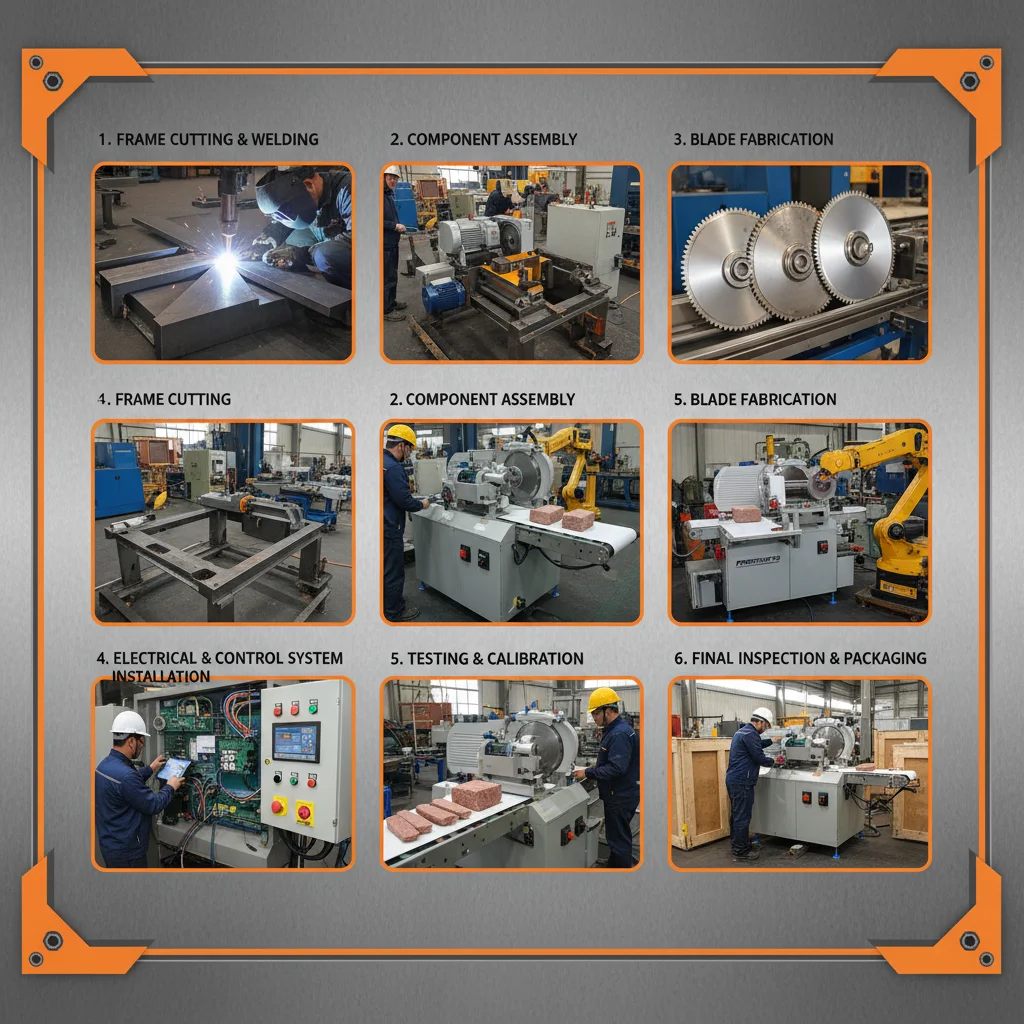
The effectiveness of equipment from a frozen meat slicer machine Supplier depends heavily on blade metallurgy. High-carbon stainless steel or tungsten-carbide tipped blades are typically employed to ensure the knife stays sharp even when encountering ice crystals within the frozen meat fibers.

Motor stability is the second critical pillar. A top-tier frozen meat slicer machine Supplier integrates high-torque servo motors that prevent the blade from slowing down or "stuttering" during the cut, which would otherwise result in jagged edges or uneven slices.

Finally, the feeding system—whether it is a gravity-fed hopper or a conveyor belt—must be perfectly synchronized with the blade speed. This synchronization, a hallmark of a quality frozen meat slicer machine Supplier, ensures that the product is pushed through the blade at a constant rate, eliminating the risk of crushing the meat.

Industrial Applications and Market Use Cases

The versatility of equipment provided by a frozen meat slicer machine Supplier allows it to be deployed across various sectors. In the commercial deli industry, these machines are used to create uniform slices of frozen ham or salami, whereas in the industrial meal-prep sector, they are used to portion frozen beef or pork for bulk packaging.

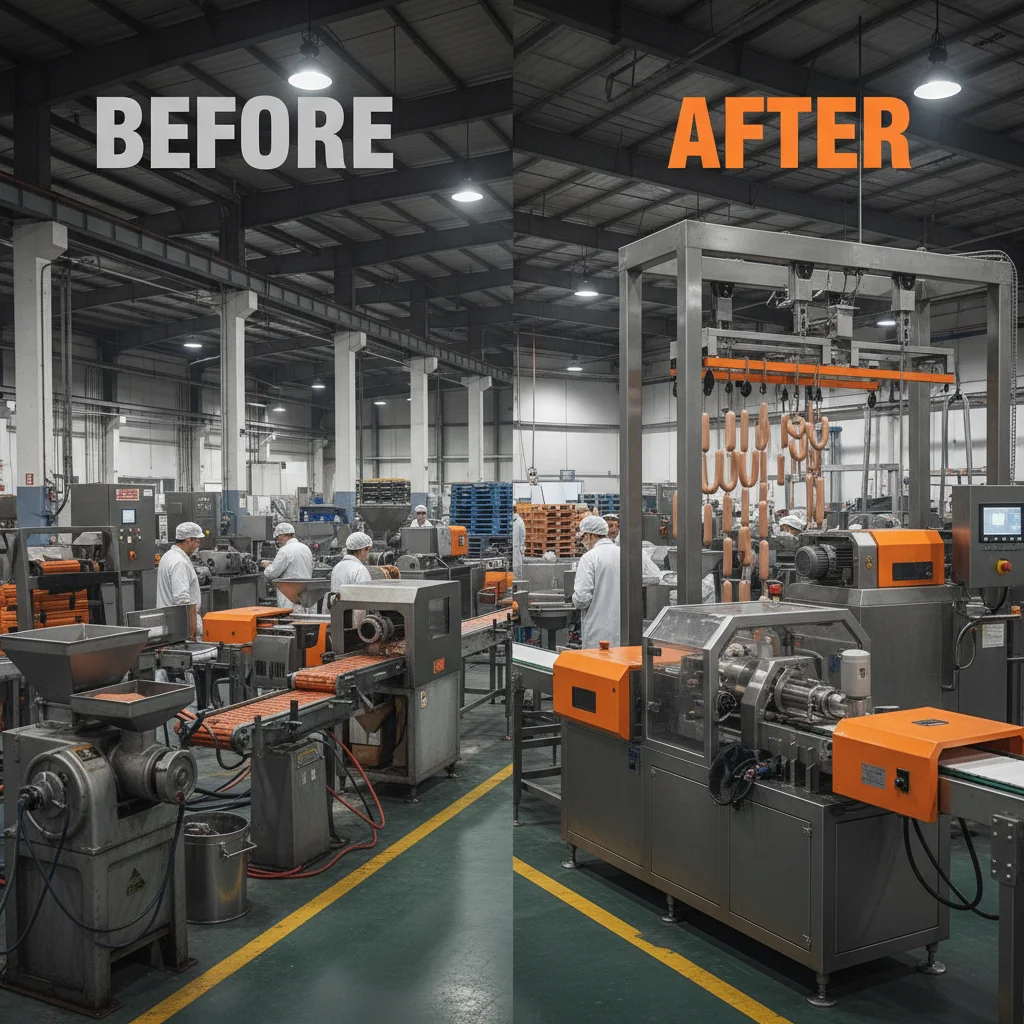
In remote industrial zones or large-scale food hubs, these machines are often integrated into a full Meat Processing Line, working alongside meat grinders and vacuum mixers. For instance, a supplier might implement an automated slicing system that feeds directly into a vacuum packaging machine, creating a seamless "cold-chain" production loop that maximizes shelf life.

Performance Comparison of Slicing Technologies

Long-term Value: Sustainability and ROI

Investing in high-quality machinery from a reputable frozen meat slicer machine Supplier yields significant long-term financial benefits. By reducing the amount of "trim waste"—the uneven edges of meat that are typically discarded—companies can increase their usable yield per carcass by 3% to 7%, which translates to millions of dollars in savings for large operations.

Beyond the numbers, there is the emotional and social value of safety. Advanced slicing machines feature integrated safety sensors and guards that virtually eliminate the risk of operator injury compared to manual knife work. This creates a safer, more dignified work environment, fostering employee trust and reducing insurance overheads.

Future Innovations in Frozen Meat Slicing Technology

The next generation of equipment from a frozen meat slicer machine Supplier is leaning heavily into IoT (Internet of Things) and AI. Predictive maintenance sensors can now alert plant managers when a blade is beginning to dull before it ever affects the product quality, reducing unplanned downtime.

Digital transformation is also introducing "Smart Slicing," where machines can automatically adjust their settings based on the density and temperature of the meat being processed. This is achieved through integrated thermal sensors that communicate with the motor controller in real-time.

Sustainability is another key driver. We are seeing a shift toward energy-efficient motors and the use of biodegradable lubricants, ensuring that the frozen meat slicer machine Supplier helps the client meet their green energy certifications and reduce the overall environmental impact of meat processing.

Overcoming Common Challenges in Meat Processing

One of the primary challenges faced by processors is "meat tearing," which occurs when the blade is not sharp enough or the meat is too frozen. A professional frozen meat slicer machine Supplier solves this by recommending specific tempering cycles—allowing the meat to reach a precise internal temperature—before it enters the slicing stage.

Another common hurdle is the buildup of frozen residues on the blade, which can lead to uneven cuts. Innovative suppliers have introduced "air-curtain" technology or specialized non-stick blade coatings that prevent meat from adhering to the surface, ensuring a clean break on every slice.

Finally, the complexity of cleaning industrial machinery often leads to bottlenecks. To solve this, a leading frozen meat slicer machine Supplier designs equipment with "tool-less" disassembly, allowing operators to strip the machine down for deep cleaning in minutes rather than hours.

Technical Analysis of Frozen Meat Slicing Solutions

Slicing Method Precision Level Maintenance Need Output Speed
Manual Slicing Low Low Very Low
Semi-Auto Slicer Medium Medium Medium
PLC-Controlled High Medium High
Servo-Drive System Ultra-High High Ultra-High
Ultrasonic Cutting Perfect Very High High
Hybrid Industrial High Medium Ultra-High

FAQS

What is the main difference between a fresh meat slicer and a frozen meat slicer?

A frozen meat slicer, provided by a specialized frozen meat slicer machine Supplier, is engineered with higher motor torque and hardened blade alloys to penetrate ice crystals and frozen muscle fibers without stalling or tearing. Fresh meat slicers operate at lower pressures and are designed for softer textures, meaning they would quickly dull or fail if used on frozen blocks.

How often should the blades be sharpened in an industrial environment?

Depending on the volume and type of meat, blades usually require professional sharpening every 100 to 500 hours of operation. However, a high-quality frozen meat slicer machine Supplier will often provide blades with tungsten carbide coatings that can extend this interval significantly, reducing downtime and maintaining slice precision.

Can these machines handle different types of frozen meat, like beef and poultry?

Yes, most industrial slicers are versatile. However, the settings for thickness and speed may vary. A professional supplier will provide adjustable PLC controls so you can switch between the dense fiber of frozen beef and the more delicate structure of frozen poultry without needing to change the physical hardware.

Is it better to slice meat while fully frozen or partially tempered?

While a powerful frozen meat slicer machine Supplier builds machines that can handle fully frozen meat, "tempering" (bringing the meat to -2°C to -5°C) often yields the cleanest, most aesthetic slices and reduces wear and tear on the motor and blade, extending the equipment's lifespan.

What safety certifications should I look for in a supplier?

You should look for CE certification (for European standards), UL listing (for North America), and adherence to ISO 9001 for quality management. Additionally, ensure the frozen meat slicer machine Supplier follows HACCP guidelines for hygienic design to ensure your facility passes health inspections.

How does automation in slicing affect the overall ROI?

Automation drastically increases ROI by reducing labor costs and minimizing raw material waste. By ensuring every slice is exactly the same thickness, you eliminate over-portioning. When paired with other equipment like a Meat Vacuum Mixer or Saline Injection Machine, the efficiency gains across the entire production line are exponential.

Conclusion

Selecting the right frozen meat slicer machine Supplier is a strategic decision that impacts every facet of a food processing business, from the precision of the final product to the safety of the workforce. By focusing on technical specifications such as blade metallurgy, motor torque, and hygienic design, companies can transform a costly bottleneck into a streamlined, high-output operation that maximizes yield and minimizes waste.

As the industry moves toward a future of AI-driven maintenance and sustainable engineering, the partnership between the processor and the equipment supplier becomes even more critical. We encourage plant managers to look beyond the initial price tag and consider the total cost of ownership, including energy efficiency and long-term durability. For world-class processing solutions, visit our website: www.hamkms.com.

Marcus Caldwell

Marcus Caldwell

Marcus Caldwell is the Senior Product Specialist at Hebei Kemes, focusing on our meat processing equipment line. He’s a veteran of the industry, with 12 years experience beginning on the shop floor and culminating in a deep understanding of customer needs. Marcus’s role is to bridge the gap between our
Previous Global Leading Meat Cutter Supplier From China at VIETFOOD & PROPACK 2026 Vietnam International Expo
Next Professional automatic frozen meat slicer Supplier for Industry

If you are interested in our products, you can choose to leave your information here, and we will be in touch with you shortly.