-
 Email: kemaisi17710570236@gmail.com
-
 Tel: +86 18031173072
 Email: kemaisi17710570236@gmail.com
Tel: +86 18031173072
June 18, 2026
In the fast-paced food processing industry, precision and efficiency are the cornerstones of profitability. Whether you are running a high-volume deli, a restaurant chain, or a food distribution center, finding a reliable meat slicer for frozen meat Supplier is essential to ensure consistent product quality. Slicing frozen proteins requires specialized equipment that can handle extreme temperatures without compromising the integrity of the meat or the safety of the operator. This guide will explore the critical factors in choosing the right machinery and why partnering with an experienced supplier can transform your operational workflow.

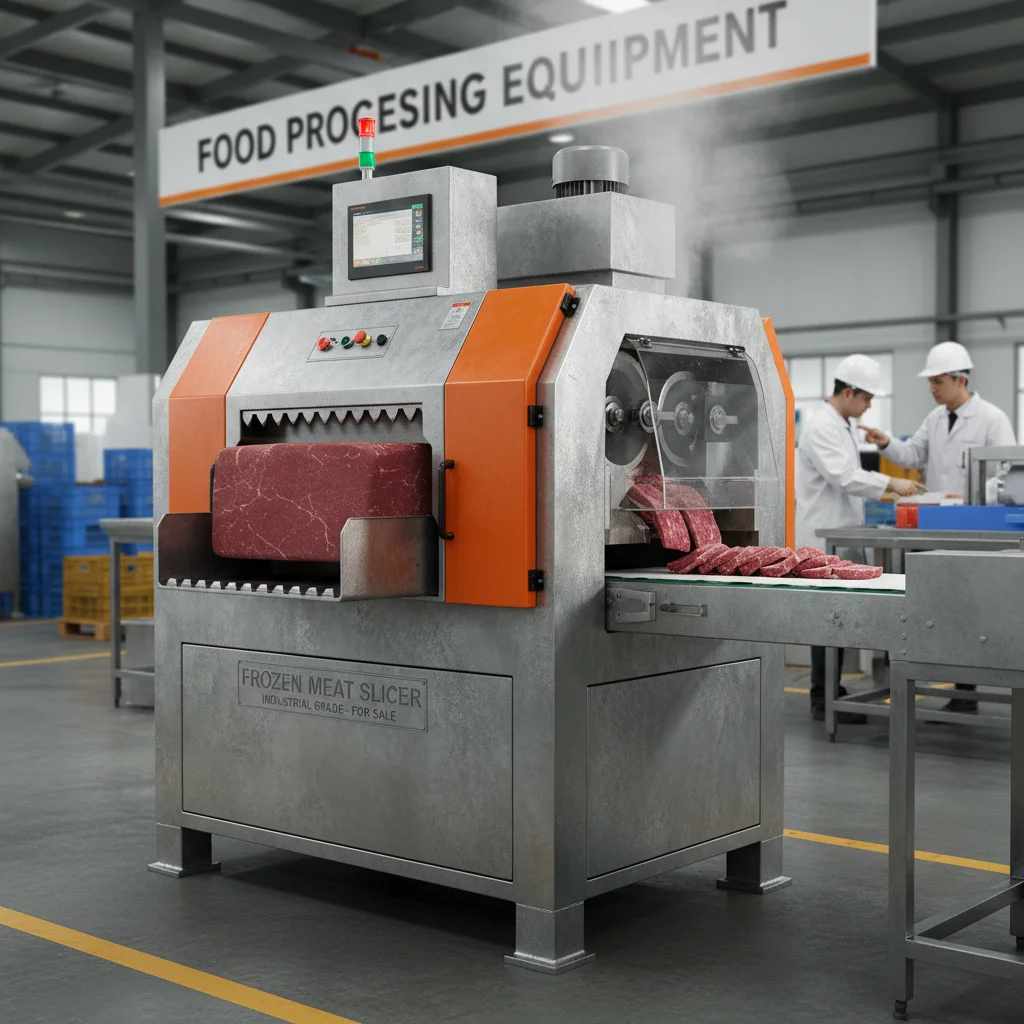
Standard slicers often struggle with frozen blocks, leading to jagged edges or, worse, motor burnout. A professional meat slicer for frozen meat Supplier provides equipment specifically engineered with high-torque motors and reinforced blades. These machines are designed to maintain a precise thickness even when cutting through crystallized ice and frozen fibers. The result is a uniform slice that enhances presentation and reduces food waste, which directly impacts your bottom line. By utilizing industrial-grade materials, these slicers ensure longevity even in humid, cold-storage environments.
Industry Insight: High-torque motors are non-negotiable for frozen applications. They prevent the "stalling" effect common in residential or light-commercial slicers when encountering frozen meat densities.
Not all suppliers offer the same level of expertise. When evaluating a meat slicer for frozen meat Supplier, you must look beyond the price tag. Consider the blade material—tungsten steel or specialized alloys are preferred for frozen goods due to their hardness. Additionally, evaluate the safety certifications and the ease of cleaning. Since frozen meat can leave residue and moisture, stainless steel construction (Grade 304) is the gold standard for hygiene and corrosion resistance. A reputable supplier will provide comprehensive training and after-sales support to maximize the machine's lifespan.
Supplier Checklist:
• Certified Food-Grade Materials (Stainless Steel)
• High-Torque Motor Specifications
• Availability of Replacement Blades
• Compliance with International Safety Standards (CE/UL)
Depending on your production volume, the choice between an automatic and a manual slicer can vary. Automatic machines, often provided by a leading meat slicer for frozen meat Supplier, are ideal for large-scale operations where consistency and speed are critical. Manual slicers offer more control for artisanal cuts but require more labor. The following table breaks down the primary differences to help you decide which fits your business model best.
Efficiency in the kitchen or factory is measured by the ratio of output to waste. By sourcing from a premium meat slicer for frozen meat Supplier, you gain access to advanced features like automatic thickness adjustment and rapid-cooling blade systems. These innovations prevent the meat from thawing during the slicing process, which is crucial for maintaining the "cold chain" and ensuring food safety. Furthermore, ergonomic designs reduce operator fatigue, allowing for longer production runs without a drop in quality.

When reviewing catalogs from your meat slicer for frozen meat Supplier, it is important to understand the technical data. The power rating (kW) indicates the machine's ability to cut through dense frozen blocks, while the blade diameter determines the maximum thickness of the meat you can process. Below is a typical specification table for an industrial-grade frozen meat slicer used in commercial settings.
Owning a machine from a top-tier meat slicer for frozen meat Supplier is only the first step; proper maintenance is what ensures a return on investment. Frozen meat slicers are subject to extreme thermal stress. Regular blade sharpening is mandatory to prevent the motor from overworking. Additionally, check the lubrication of moving parts weekly using food-grade lubricants. Proper sanitation after every shift prevents the buildup of biological contaminants, ensuring your facility remains compliant with health regulations and providing a safe product to your customers.
Selecting the right meat slicer for frozen meat Supplier is a strategic decision that influences your production capacity and product quality. From ensuring the precision of every slice to maintaining strict hygiene standards, the right equipment eliminates bottlenecks in your supply chain. By focusing on high-torque power, food-grade materials, and reliable technical support, you can scale your operations with confidence. Invest in quality today to ensure the excellence of your culinary output tomorrow.
The primary difference lies in the motor power and blade composition. Standard deli slicers are designed for chilled or room-temperature meats, which offer little resistance. Frozen meat slicers feature significantly higher torque to push through ice crystals and frozen proteins without stalling. Furthermore, the blades are often made of harder alloys to prevent dulling when hitting frozen surfaces, and the chassis is built to withstand extreme cold without becoming brittle.
Yes, industrial-grade slicers provided by a professional supplier are versatile. They can handle frozen beef, pork, poultry, and even certain types of frozen fish or vegan protein alternatives. The key is to adjust the thickness settings and ensure the meat is sliced at the optimal temperature—usually just below freezing—to achieve the cleanest cut. Always consult your equipment manual to ensure the specific density of your protein is compatible with your machine's motor rating.
Because frozen meat is much harder than fresh meat, blades dull faster. Depending on your volume, we recommend a professional sharpening every 2-4 weeks for high-output environments. If you notice "tearing" of the meat rather than a clean cut, or if the motor sounds like it is straining more than usual, it is time for a sharpen. Many suppliers offer blade exchange programs or specialized sharpening kits to ensure your equipment always operates at peak efficiency.
Safety is paramount. Operators should always use the provided meat pusher or carriage; never use hands to guide the meat toward the blade. We strongly recommend the use of cut-resistant gloves and safety goggles. Ensure that the machine is unplugged during cleaning and blade replacement. Additionally, verify that all safety guards are securely in place. A reputable meat slicer for frozen meat Supplier will provide a detailed safety manual and training guide to prevent workplace accidents.
If you are interested in our products, you can choose to leave your information here, and we will be in touch with you shortly.