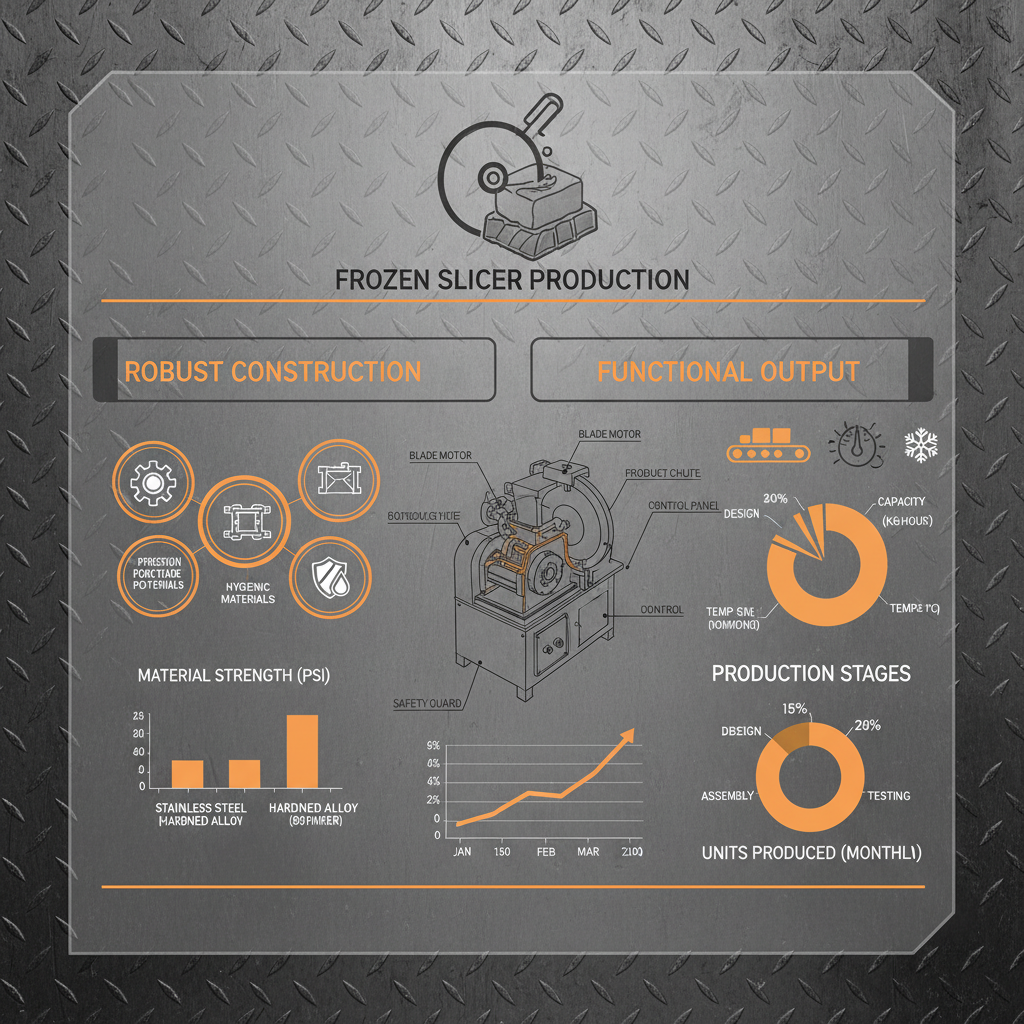
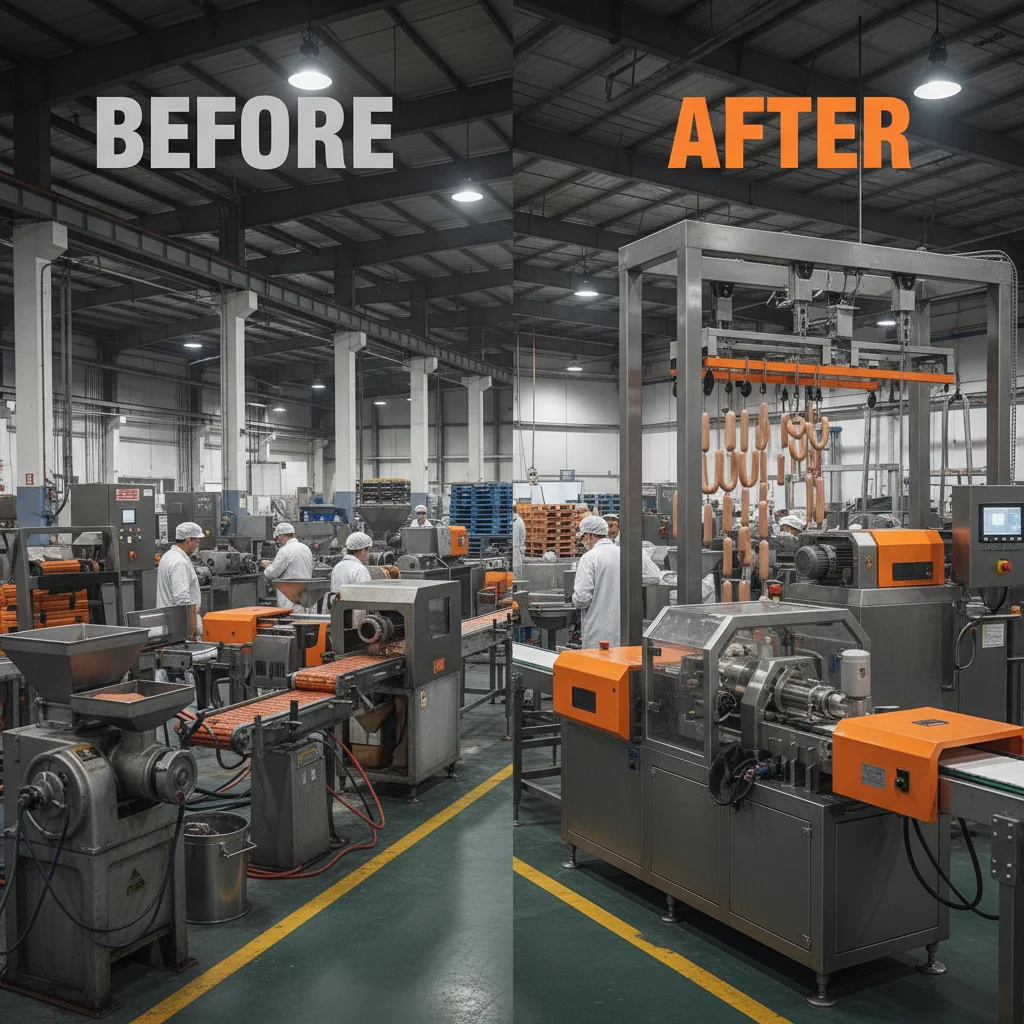
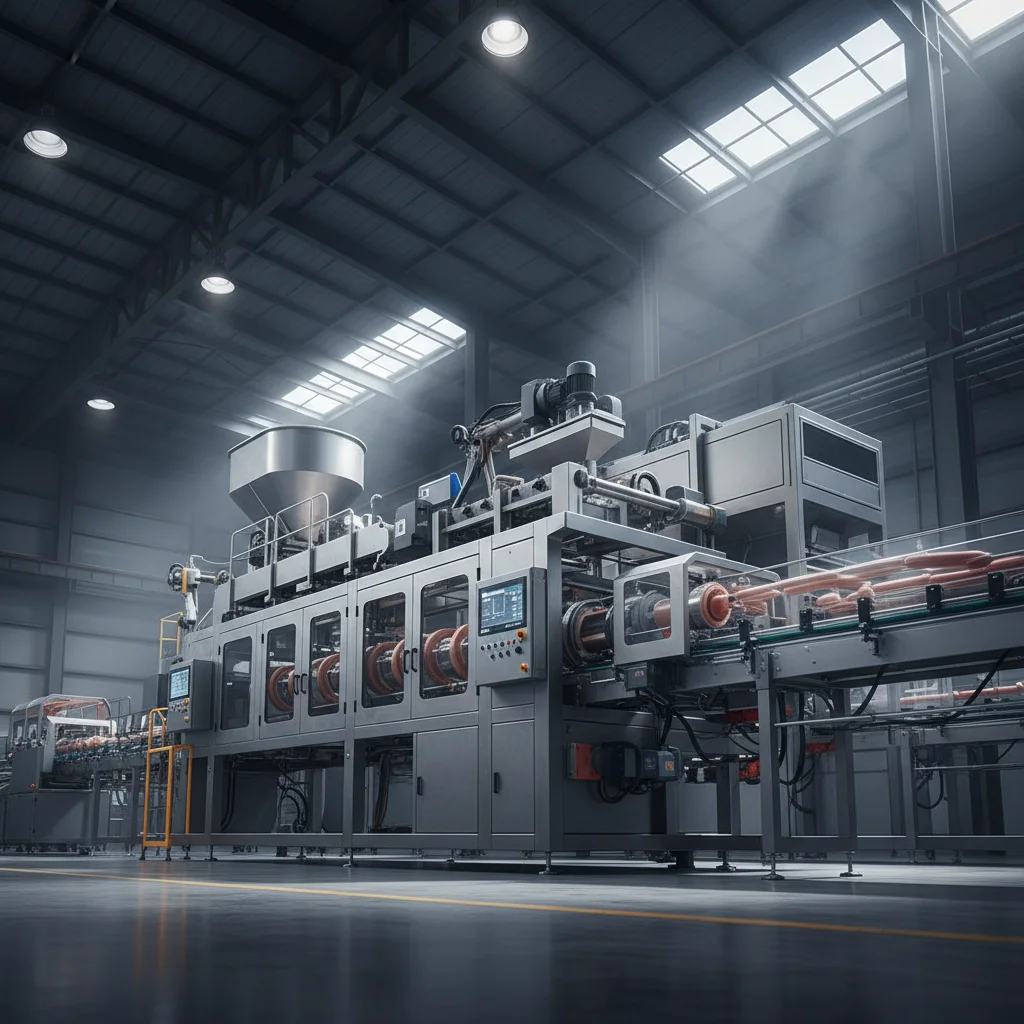
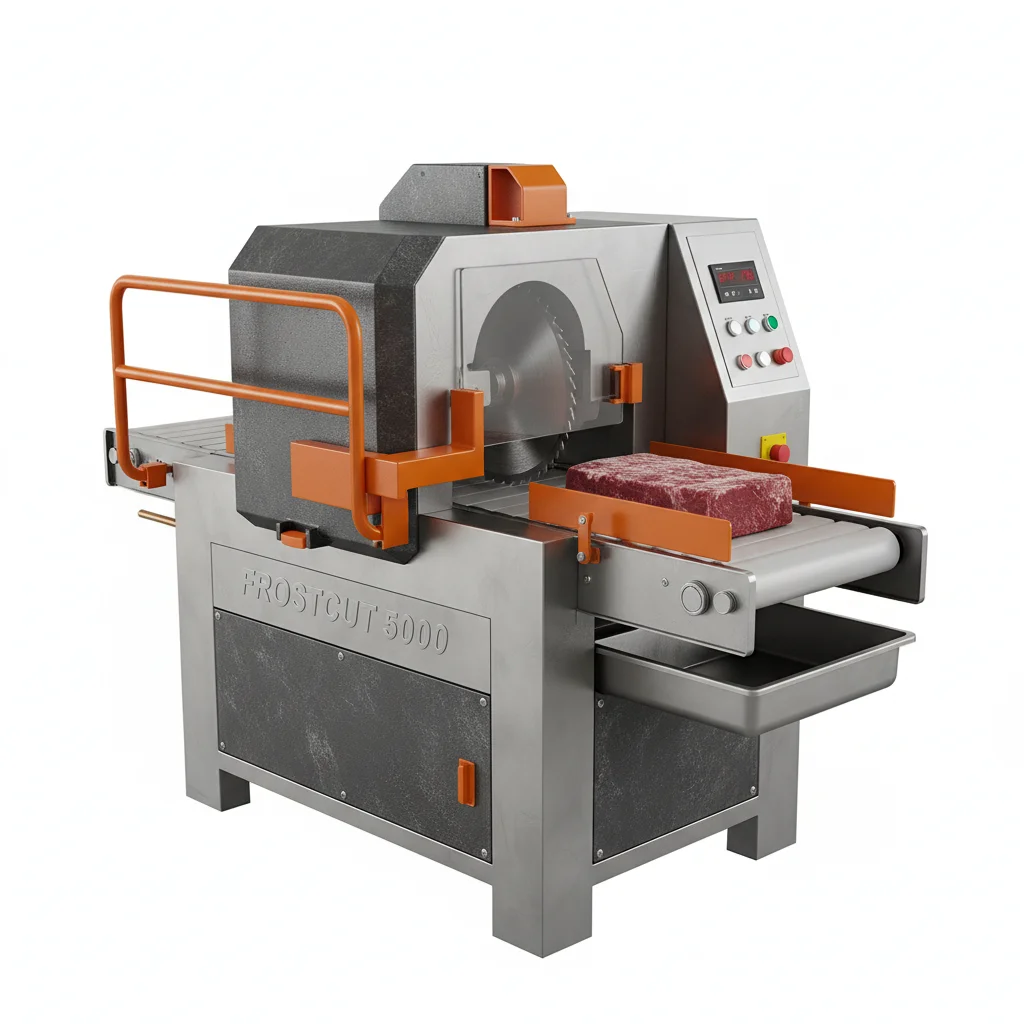
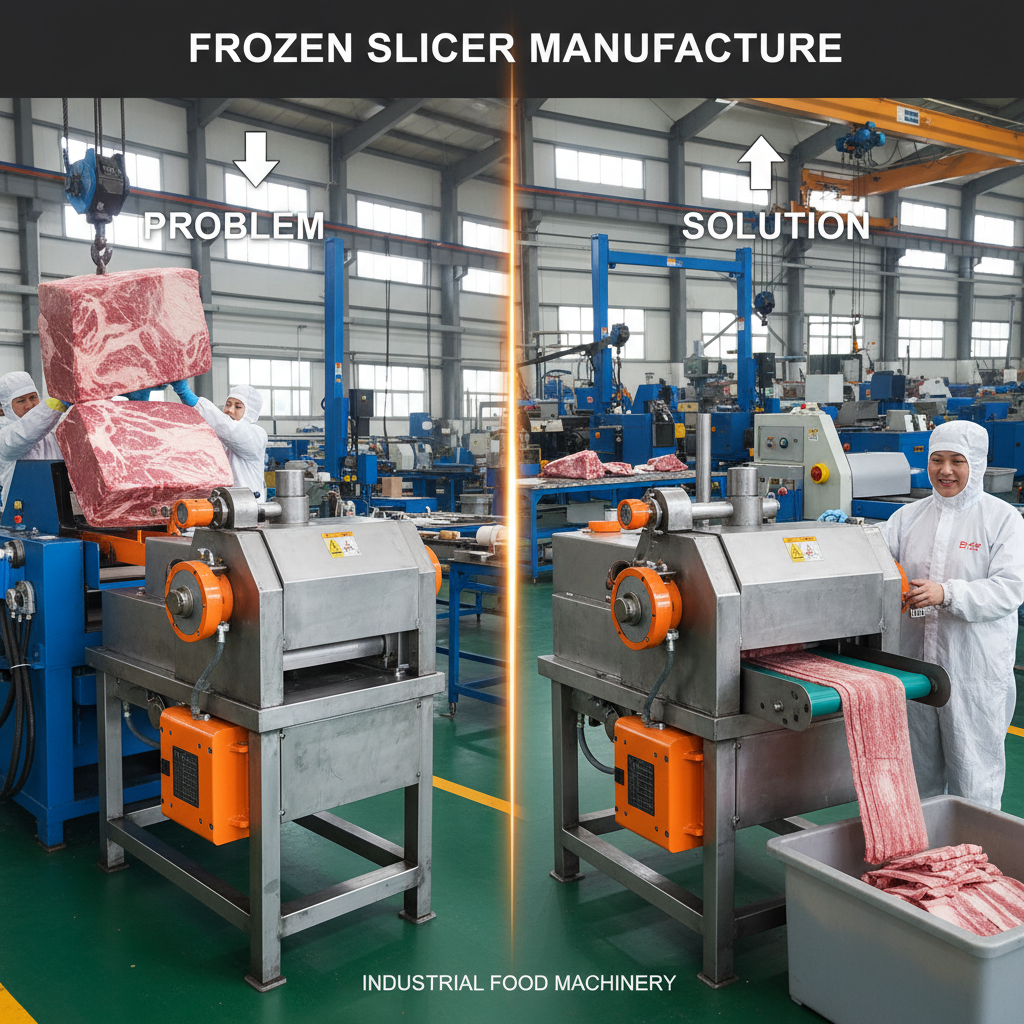
The precision and efficiency of frozen slicer Manufacture have become cornerstones of the modern food processing industry. As global demand for pre-portioned, ready-to-eat frozen meats and vegetables surges, the ability to maintain structural integrity while achieving micron-level thickness is no longer a luxury but a necessity for market competitiveness.
Investing in high-quality frozen slicer Manufacture allows producers to significantly reduce product waste and ensure uniformity across thousands of units. This consistency not only enhances the visual appeal of the end product but also optimizes the cooking process for the final consumer, bridging the gap between industrial production and gourmet quality.
Understanding the nuances of this manufacturing process—from blade metallurgy to temperature-controlled feeding systems—is essential for any business looking to scale its meat processing lines. By integrating advanced slicing technology, companies can transition from manual, labor-intensive methods to fully automated systems that guarantee food safety and operational excellence.
Global Impact of Frozen Slicer Manufacture
On a global scale, frozen slicer Manufacture addresses the critical challenge of food security and waste reduction. According to industry trends aligned with ISO food safety standards, the transition toward automated slicing has allowed processors to handle frozen proteins with far greater precision, reducing the "shatter effect" common in low-end machinery.
This industrial evolution is particularly vital in regions with high demand for processed convenience foods, such as North America and East Asia. By optimizing the way frozen blocks are sliced, manufacturers can ensure that nutrients are preserved and that the product maintains its cellular structure, which is essential for maintaining the "premium" feel of the meat after thawing.
Defining the Standards of Frozen Slicer Manufacture
At its core, frozen slicer Manufacture refers to the engineering and production of specialized machinery capable of cutting meat, cheese, or vegetables that have been flash-frozen to specific temperatures (typically -18°C or lower). Unlike fresh slicing, frozen slicing requires immense torque and specialized blade geometry to penetrate crystallized tissues without causing tearing or uneven edges.
Modern standards in this field emphasize the marriage of food-grade materials and robotic precision. The integration of 304 and 316 stainless steel ensures that the equipment can withstand the corrosive nature of saline-treated meats while remaining completely hygienic. This focus on material science is what separates industrial-grade manufacture from commercial kitchen equipment.
Furthermore, the definition has expanded to include "smart" features. Today's frozen slicer Manufacture incorporates PLC (Programmable Logic Controllers) that allow operators to adjust slice thickness in real-time, ensuring that every single piece meets the strict weight and measurement requirements of retail packaging.
Core Components of High-Performance Slicing
The effectiveness of frozen slicer Manufacture depends heavily on the precision of the cutting blade. High-carbon steel or tungsten carbide edges are typically employed to maintain sharpness against the extreme resistance of frozen proteins, ensuring that the cut remains clean and the product remains intact.
Beyond the blade, the feeding mechanism is a critical aspect of frozen slicer Manufacture. Advanced conveyor systems use calibrated pressure plates to hold the frozen block firmly in place, preventing slippage that could lead to uneven slices or, more importantly, operator injury.
Finally, the motor and drive system must be engineered for high torque and low vibration. In professional frozen slicer Manufacture, the use of servo motors allows for micro-adjustments in speed, which prevents the product from overheating during the slicing process, thus maintaining the "cold chain" integrity.
Operational Efficiency and Cost-Benefit Analysis
Implementing a professional system from a leading frozen slicer Manufacture provider allows companies to shift from a variable cost model (labor) to a fixed asset model (automation). This transition typically results in a significant increase in throughput, where a single machine can replace several manual slicing stations while producing zero errors in thickness.
The long-term ROI is found in the reduction of "scrap" meat. When slicing is imprecise, the ends of the meat blocks are often wasted. Precision-engineered slicers maximize the yield per block, which, over a year of high-volume production, can result in hundreds of thousands of dollars in recovered product value.
Efficiency Comparison of Frozen Slicer Manufacture Methods
Real-World Applications Across Global Markets
In the industrial meat processing hubs of Brazil and the USA, frozen slicer Manufacture is applied to produce uniform deli meats and frozen patties. These facilities utilize massive, multi-blade slicing systems that can process tons of product per hour, ensuring that every slice is identical for vacuum packaging.
Conversely, in the European market, there is a high demand for specialized frozen slicer Manufacture that handles artisanal frozen products. Here, the focus is on "gentle slicing" to preserve the marbling of premium frozen beef, proving that these machines can be tuned for both mass-market efficiency and high-end luxury requirements.
Long-Term Value and Sustainability in Slicing
The sustainability aspect of frozen slicer Manufacture lies in its ability to combat food waste. By achieving near-perfect yield from every raw material block, manufacturers reduce the amount of protein that ends up as low-value byproduct or waste, directly contributing to a more sustainable global food chain.
From a reliability standpoint, investing in equipment from a reputable frozen slicer Manufacture source ensures that the machinery has a lifespan of 10-15 years. The use of modular designs allows for the easy replacement of blades and belts without requiring a complete system overhaul, reducing long-term capital expenditure.
Beyond the numbers, there is an element of trust and safety. Automated slicing removes the human hand from the danger zone of the blade, drastically reducing workplace accidents and enhancing the dignity and safety of the factory floor environment.
Future Innovations in Frozen Slicer Technology
The next frontier in frozen slicer Manufacture is the integration of AI-driven vision systems. Future slicers will be able to "scan" the internal structure of a frozen block and automatically adjust the slice thickness to account for natural variations in the meat's density, ensuring perfect weight every time.
Digital transformation is also bringing "Industry 4.0" to the slicing floor. We are seeing the rise of IoT-connected machines that can predict when a blade is becoming dull and alert maintenance teams before the quality of the cut drops. This predictive maintenance eliminates unplanned downtime and keeps production lines running 24/7.
Moreover, the shift toward green energy is influencing frozen slicer Manufacture. New drive systems are being developed to consume 30% less electricity while providing the same torque, making the processing plant more eco-friendly and reducing operational overhead.
Comparison of Technological Advancements in Frozen Slicer Manufacture
|
Technology Generation
|
Key Feature
|
Precision Level
|
Waste Reduction Score
|
| Mechanical Slicer |
Manual Adjustment |
Low |
4/10 |
| PLC-Controlled |
Digital Settings |
Medium |
7/10 |
| Servo-Driven |
Dynamic Speed Control |
High |
9/10 |
| AI Vision-Integrated |
Real-time Scanning |
Ultra-High |
10/10 |
| IoT-Enabled |
Predictive Maintenance |
High |
9/10 |
| Hybrid Eco-Slicer |
Energy Recovery System |
High |
9/10 |
FAQS
The most critical factor is the balance between blade durability and precision. You should look for a manufacturer that uses high-grade tungsten carbide or specialized alloys and offers adjustable PLC controls. Additionally, ensure they provide comprehensive after-sales support and a steady supply of replacement blades to prevent production downtime.
Temperature is everything. If the product is too cold, it may shatter; if it's too warm, it becomes gummy and sticks to the blade. Professional frozen slicer manufacture designs include precision-timed feeding and specific blade speeds to minimize friction-induced heating, ensuring the product remains at the ideal "slicing window" temperature.
Yes, most industrial-grade slicers are versatile. However, the settings for frozen pork, beef, or poultry vary due to different fiber densities. High-quality machines allow for custom profiles to be saved in the PLC, so operators can switch between product types with a single button press without needing to manually recalibrate the machine.
Maintenance primarily focuses on blade sharpening and lubrication of the drive systems. Because these machines operate in cold, humid environments, preventing oxidation on non-stainless parts is key. Weekly inspections of the conveyor belts and daily sanitation of the cutting area are standard requirements to maintain hygiene and efficiency.
Absolutely. While the initial investment is higher, the reduction in labor costs, combined with the increase in yield and the elimination of human error, typically leads to a full ROI within 12 to 24 months. The consistency in slice thickness also allows for more precise packaging, reducing the amount of packaging material wasted.
Ensure the manufacturer adheres to ISO and HACCP standards. The machine should be constructed from food-grade stainless steel (304/316) and designed with "clean-in-place" (CIP) capabilities, meaning there are no dead zones where food particles can accumulate and harbor bacteria. Always request certification documents from your manufacture partner.
Conclusion
In summary, frozen slicer Manufacture is not just about cutting frozen food; it is about integrating metallurgy, robotics, and food science to create a seamless production flow. From the initial selection of high-carbon blades to the implementation of AI-driven vision systems, every detail contributes to the ultimate goals of waste reduction, operational safety, and product consistency.
Looking forward, the industry will continue to move toward smarter, greener, and more autonomous systems. For producers looking to scale their operations, investing in precision slicing technology today is the most effective way to future-proof their business against rising labor costs and tightening food safety regulations. To explore the best solutions for your processing line, visit our website: www.hamkms.com
 Email: kemaisi17710570236@gmail.com
 Tel: +86 18031173072