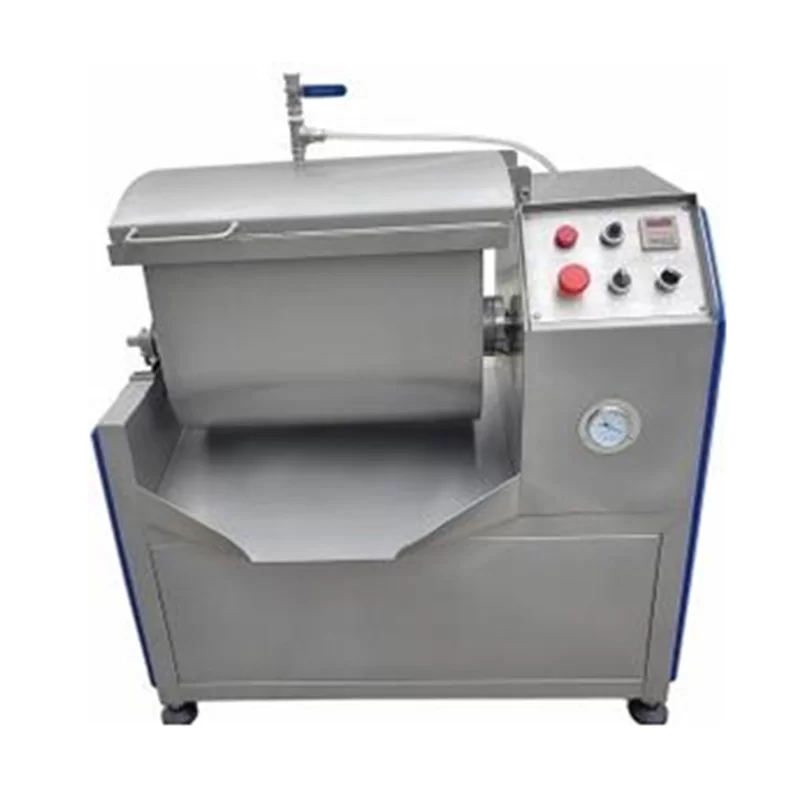
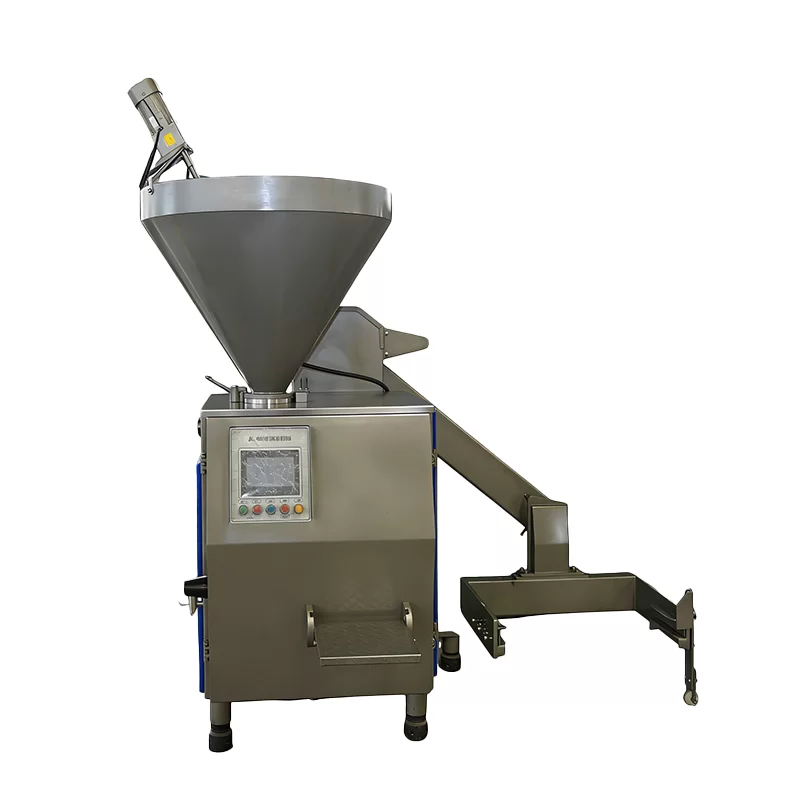
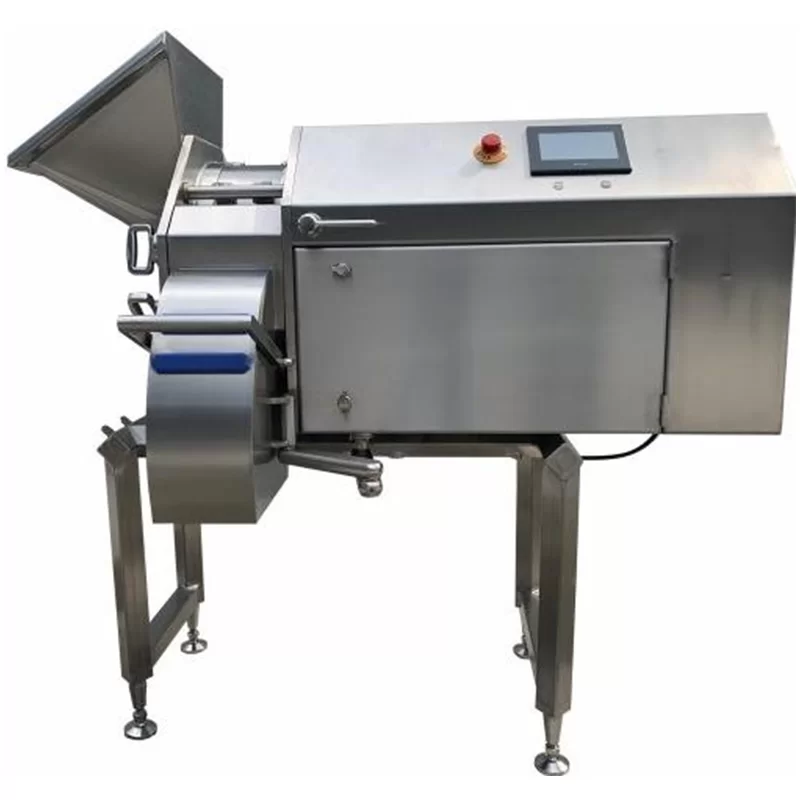
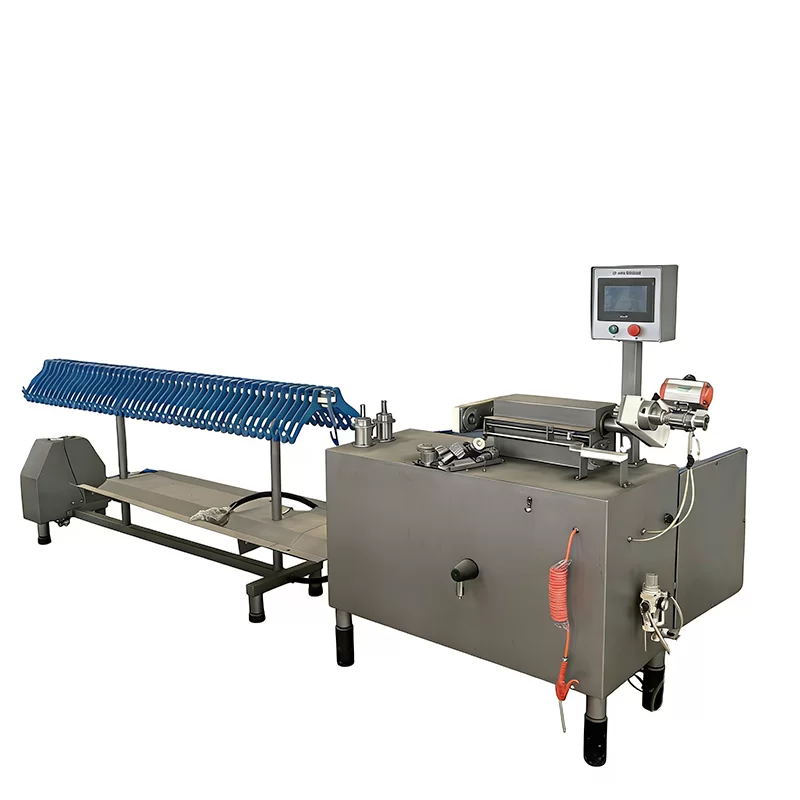
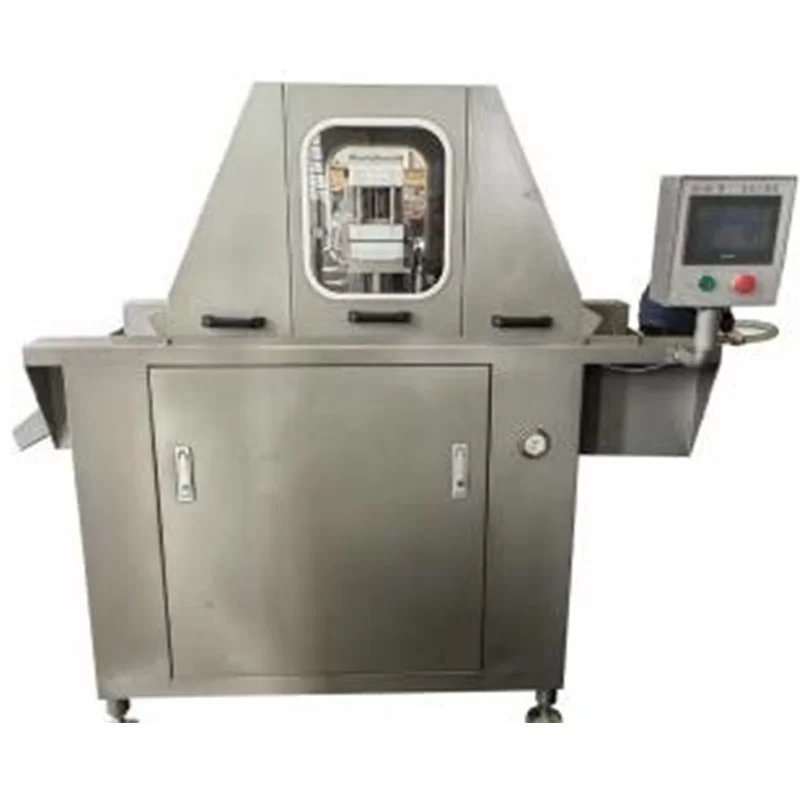
Advanced Meat Processing Solutions HighPrecision electric frozen meat cutter for Canada
  • Home
  • Global Service
  • Advanced Meat Processing Solutions HighPrecision electric frozen meat cutter for Canada

Advanced Meat Processing Solutions: High-Precision electric frozen meat cutter for Canada

Engineering the future of Canadian food processing with industrial-grade efficiency, hygiene, and unmatched precision in meat portioning and filling.

Advanced Meat Processing Solutions: High-Precision electric frozen meat cutter for Canada

Optimizing the cold-chain processing workflow in North America through innovative machinery designed for frozen proteins and high-volume production.

The Landscape of Meat Processing in Canada

Navigating the challenges of cold-climate manufacturing and strict CFIA regulations.

Canada's meat processing industry is characterized by vast geographic distances and a rigorous cold-chain logistics network. The demand for high-efficiency frozen chicken cutting machine units has surged as producers shift toward pre-portioned, frozen-ready meals to serve the urban centers of Ontario and Quebec.

With extreme winter temperatures affecting warehouse operations, the reliability of an electric frozen meat cutter becomes critical. Canadian manufacturers require equipment that maintains structural integrity and motor efficiency in sub-zero environments while adhering to strict health and safety standards.

Labor shortages in rural provinces have accelerated the adoption of automation. From high-speed knotting machines to precision slicers, the industry is transitioning from manual labor to integrated automated lines to maintain competitive export margins in the North American market.
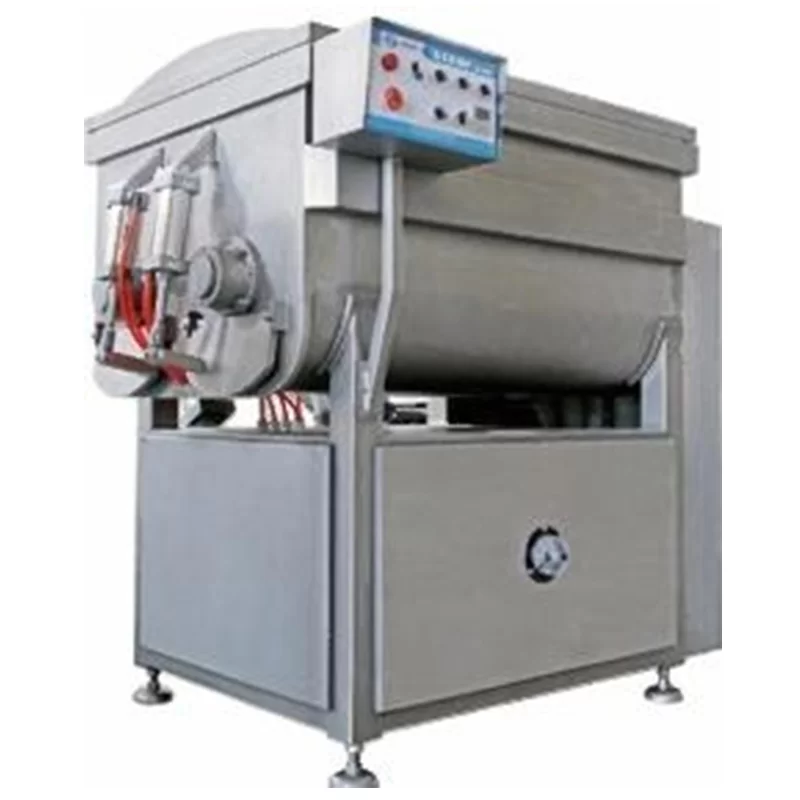
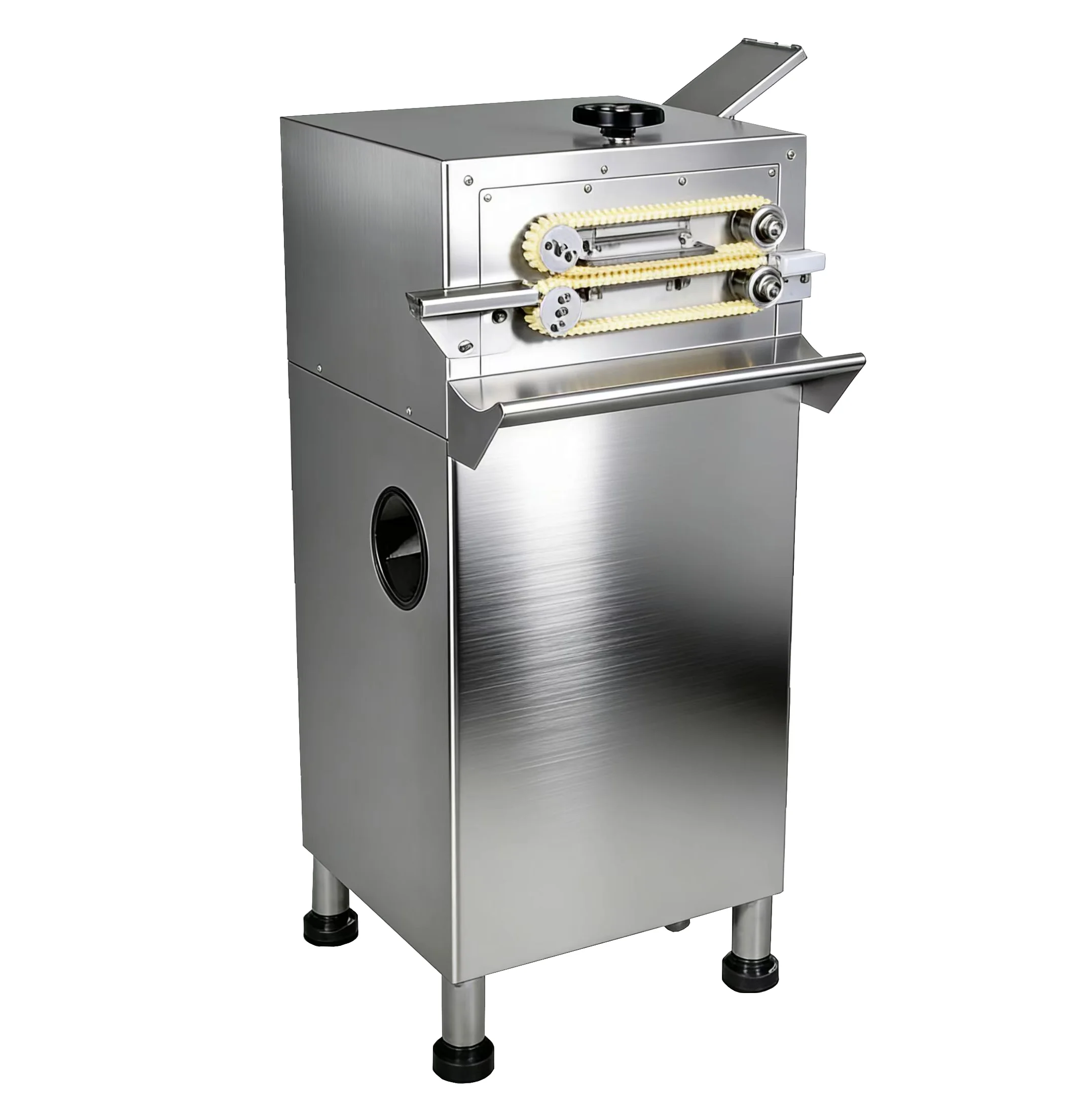
Technological Evolution of Protein Processing

From manual craftsmanship to AI-driven precision cutting and filling.

Market Development History

In the early 2000s, the Canadian market relied heavily on manual slicing and hydraulic filling. The introduction of the first generation of automated sausage filling machine models marked a shift toward standardization, reducing waste and increasing output consistency in regional butcheries.

By 2010-2015, the focus shifted to "Frozen-to-Fresh" technology. The emergence of the specialized meat slicer frozen beef allowed processors to cut proteins at ultra-low temperatures without thawing, significantly reducing bacterial risk and improving the shelf-life of premium exports.

The current era (2020-present) is defined by the "Smart Factory" concept. Integration of PLC controls and servo motors has transformed the knotting machines and cutters into data-driven assets that can be monitored remotely for maintenance and performance optimization.

Future Development Trends

AI-Integrated Vision Systems

Integration of 3D scanning to adjust cutting angles in real-time, maximizing the yield per carcass and reducing protein waste.

Energy-Efficient Cryogenic Integration

Developing machinery that synchronizes with flash-freezing tunnels to eliminate temperature fluctuations during the slicing process.

Modular Sustainable Design

A shift toward 100% recyclable stainless steel components and energy-saving motors to meet Canada's 2030 carbon neutrality goals.

Strategic Industry Outlook for North American Meat Tech

Predicting the trajectory of automated food production through 2028.

Hyper-Automation
Replacing repetitive manual tasks with synchronized robotic arms and high-speed filling systems.
Cold-Chain Precision
Developing cutters that operate at -20°C without losing torque or precision in slicing.
Hygienic Engineering
Integration of IP69K waterproof ratings for seamless high-pressure cleaning in Canadian plants.
IoT Diagnostics
Predictive maintenance sensors to reduce downtime in remote Canadian processing facilities.

Industry Outlook

Based on Google search trends in the North American food tech sector, there is a significant increase in queries for "automated frozen meat portioning." This indicates a shift toward leaner manufacturing and a need for equipment that can handle various protein types without extensive reconfiguration.

Over the next 3-5 years, we expect a convergence of robotic handling and precision cutting. The integration of AI will allow machines to detect the fat-to-lean ratio in frozen beef, automatically adjusting the slice thickness to ensure maximum profit per cut for Canadian processors.

Localized Application Scenarios in Canada

Real-world deployments across the Canadian meat processing landscape.

01. High-Volume Poultry Processing in Alberta

Large-scale poultry plants utilizing the frozen chicken cutting machine to prepare bulk breast fillets for national retail chains, ensuring uniform thickness for rapid cooking.

02. Artisanal Sausage Production in Quebec

Regional charcuterie shops deploying a precision sausage filling machine to maintain traditional recipe consistency while increasing hourly output by 40%.

03. Premium Beef Export Hubs in Saskatchewan

Export facilities using the meat slicer frozen beef to create perfectly thin, frozen slices for international markets, preserving cellular structure and flavor.

04. Commercial Meat Packing in Ontario

Integrated packing lines where knotting machines are used for secure, high-speed casing of traditional Canadian sausages, reducing manual labor costs.

05. Industrial Cold-Storage Processing Centers

Centralized hubs utilizing the electric frozen meat cutter to portion a variety of frozen proteins for redistribution to smaller supermarkets across the Prairies.

Brand Story

Global Development History of Hebei Kemaise Machinery Equipment Co., Ltd.

The Foundation of Precision

Founded on the principle of mechanical excellence, we began by solving the core problem of inaccuracy in meat portioning for regional food producers.

Technological Breakthroughs

We pioneered the integration of high-torque electric motors in frozen meat cutters, allowing for seamless operation in extreme temperatures.

Global Market Expansion

Expanding our footprint to North America, we adapted our designs to meet the rigorous sanitary and safety standards of the Canadian market.

Innovation in Automation

Development of smart filling and knotting systems that reduced human error and operational downtime for our global clients.

Commitment to Sustainability

Today, we focus on energy-efficient machinery that helps Canadian food processors reduce their environmental footprint without sacrificing speed.

Complete Equipment Suite for Canadian Meat Processors

A synergistic range of machinery designed to cover the entire production line from cutting to packaging.

Frequently Asked Questions for Canadian Operators

Technical guidance and operational support for North American meat equipment.

How does an electric frozen meat cutter handle extreme temperature variations in Canada?

Our machines use specialized low-temperature lubricants and reinforced steel alloys that prevent brittleness and motor lag, ensuring consistent performance even in sub-zero processing environments.

Is the frozen chicken cutting machine compliant with CFIA food safety regulations?

Yes, our equipment is constructed from food-grade 304 stainless steel and features a seamless design to prevent bacterial buildup, fully aligning with Canadian food safety and hygiene standards.

What is the capacity of the industrial sausage filling machine for medium-sized plants?

Our mid-range filling machines are designed for a throughput of 500kg to 2000kg per hour, depending on the viscosity of the meat emulsion and the chosen nozzle diameter.

How often do the blades in a meat slicer frozen beef need replacement?

Depending on the volume and bone content of the beef, we recommend a professional sharpening every 100 operating hours and full blade replacement every 6-12 months to maintain precision.

Can the automatic knotting machines handle different casing materials?

Our knotting machines are versatile and can be adjusted for natural casings, collagen, and synthetic plastics, ensuring a tight, secure knot regardless of the material elasticity.

What maintenance is required for an electric frozen meat cutter in high-humidity plants?

We recommend daily cleaning with approved sanitizers and weekly checks of the electrical seals to prevent moisture ingress, ensuring the longevity of the IP-rated control panels.

Ready to Optimize Your Production Line?

Our engineering team is ready to provide customized meat processing solutions across Canada. Contact us for a technical consultation.

Contact Us Now

If you are interested in our products, you can choose to leave your information here, and we will be in touch with you shortly.