
Advanced Meat Processing Solutions with electric frozen meat cutter in Bangladesh
  • Home
  • Global Service
  • Advanced Meat Processing Solutions with electric frozen meat cutter in Bangladesh

Advanced Meat Processing Solutions with electric frozen meat cutter in Bangladesh

Empowering Bangladesh's food manufacturing sector with high-precision cutting and filling technology to maximize yield and hygiene.

Advanced Meat Processing Solutions with electric frozen meat cutter in Bangladesh

Integrating industrial-grade precision and automation to optimize the production of frozen and processed meats across the Bangladeshi market.

The Current Landscape of Meat Processing in Bangladesh

Analyzing the shift from manual labor to mechanized efficiency in South Asia's growing food hub.

Bangladesh's food processing industry is currently navigating a critical transition. With a booming population and rising demand for convenient protein sources, traditional manual butchery is no longer sufficient. The humid tropical climate of the region necessitates rapid processing and strict cold chain management to prevent spoilage, making the adoption of a frozen chicken cutting machine essential for maintaining safety standards.

Economically, the market is seeing a surge in Small and Medium Enterprises (SMEs) that are upgrading their facilities. However, many still struggle with inconsistent slice thickness and high waste ratios. The introduction of a professional meat slicer frozen beef allows local producers to standardize their output, ensuring that premium cuts are utilized efficiently to compete with imported frozen goods.

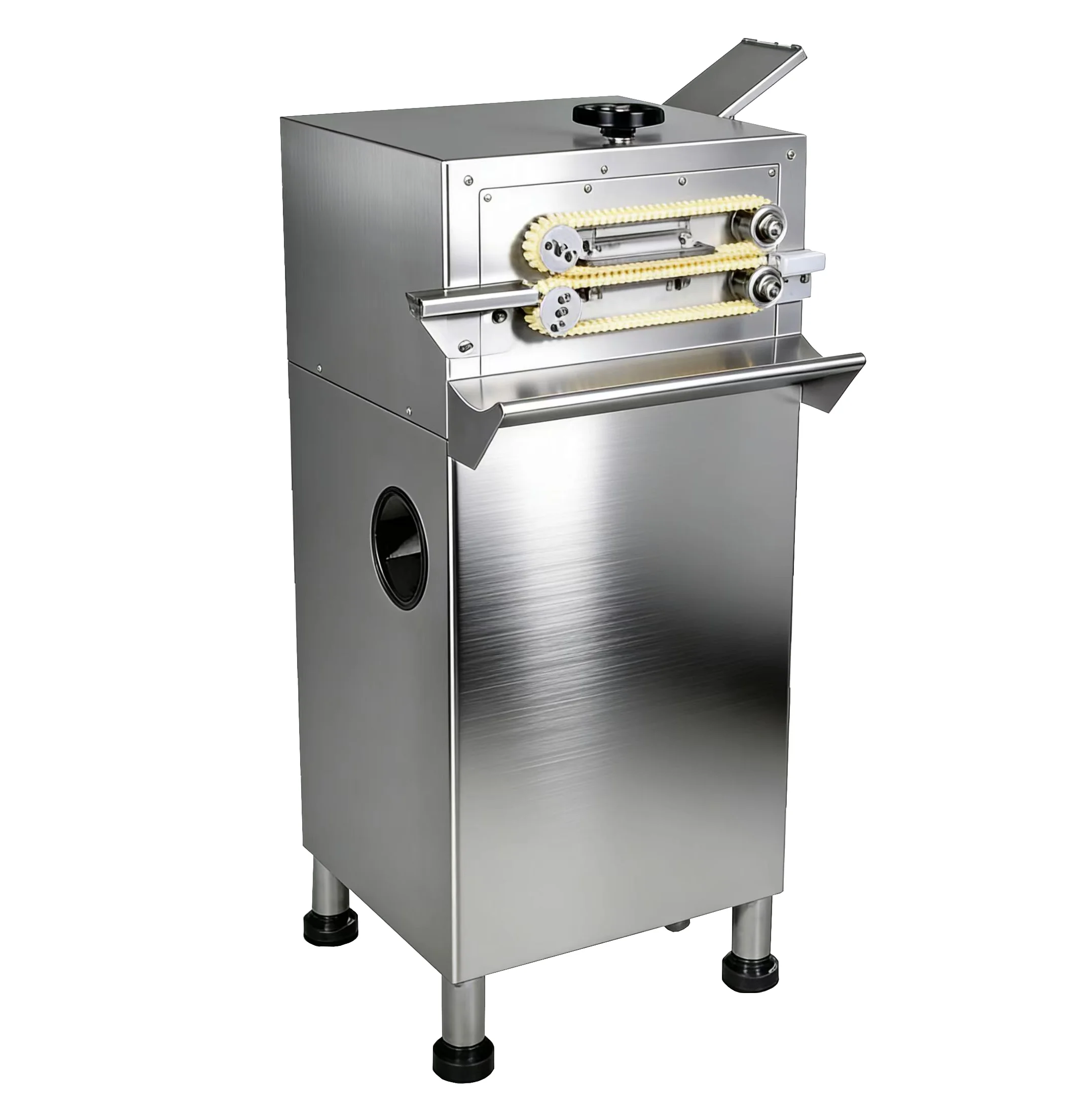
Furthermore, the rise of the processed sausage and deli meat sector in urban centers like Dhaka and Chittagong has created a bottleneck in packaging. The demand for automated knotting machines has grown as producers move away from hand-tying, seeking to increase throughput and ensure airtight sealing for longer shelf life in the local retail environment.
Evolution of Meat Processing Technology in Bangladesh

From artisan tools to automated industrial ecosystems.

Market Development History

Prior to 2010, the Bangladeshi meat industry relied almost exclusively on manual labor. Filling was done by hand or primitive pumps, and cutting was performed by skilled butchers using traditional knives, leading to significant variability in product quality and slower production cycles.

Between 2010 and 2020, a "Semi-Automation Wave" occurred. Producers began importing basic electric grinders and simple sausage filling machine units. This era marked the beginning of standardized sizing and the first attempts at scaling production to meet the needs of growing supermarket chains.

From 2020 to the present, the industry has entered the "Precision Era." The integration of PLC-controlled systems and high-torque motors has enabled the use of advanced cutters that can handle deep-frozen blocks without thawing, drastically reducing the risk of bacterial contamination during the processing phase.

Future Development Trends

AI-Driven Portion Control

Integrating sensors into cutting machinery to automatically adjust slice thickness based on the meat's density, reducing raw material waste by an estimated 12%.

Eco-Friendly Energy Systems

A shift towards energy-efficient motors to combat rising electricity costs in Bangladesh, focusing on machines with lower peak power consumption.

Integrated Hygienic Modules

Moving toward "Clean-in-Place" (CIP) systems where machines can be sanitized without full disassembly, meeting international HACCP standards.

Industry Trends and Future Outlook

Strategic directions for the next 3-5 years in food equipment manufacturing.

Cold-Chain Integration
Increasing demand for machines that operate at -18°C to eliminate the need for tempering meat.
High-Speed Automation
Transitioning from single-unit operations to fully synchronized production lines.
Waste Reduction
Utilizing precision blades to maximize the usable percentage of every meat carcass.
Food Safety Compliance
Implementing stainless steel 304/316 materials across all food-contact surfaces.

Industry Outlook

Google Search trends for "automated meat processing" in South Asia show a steep upward trajectory, indicating that Bangladeshi entrepreneurs are actively seeking industrial upgrades. The move toward pre-packaged, frozen ready-to-cook meals is driving a paradigm shift in how factories are equipped.

Within the next five years, we expect the market to move toward modular systems where a electric frozen meat cutter is integrated into a smart conveyor system, reducing human intervention and elevating hygiene to global export standards.

Localized Application Scenarios in Bangladesh

Real-world implementations across different sectors of the Bangladeshi food industry.

01. Urban Frozen Poultry Hubs in Dhaka

High-volume distributors are using the frozen chicken cutting machine to process imported Brazilian and local poultry, ensuring uniform cuts for fast-food franchises.

02. Regional Beef Processing Centers

Local abattoirs are implementing the meat slicer frozen beef to create consistent thin slices for the growing burger and steakhouse market in urban areas.

03. Industrial Sausage Factories

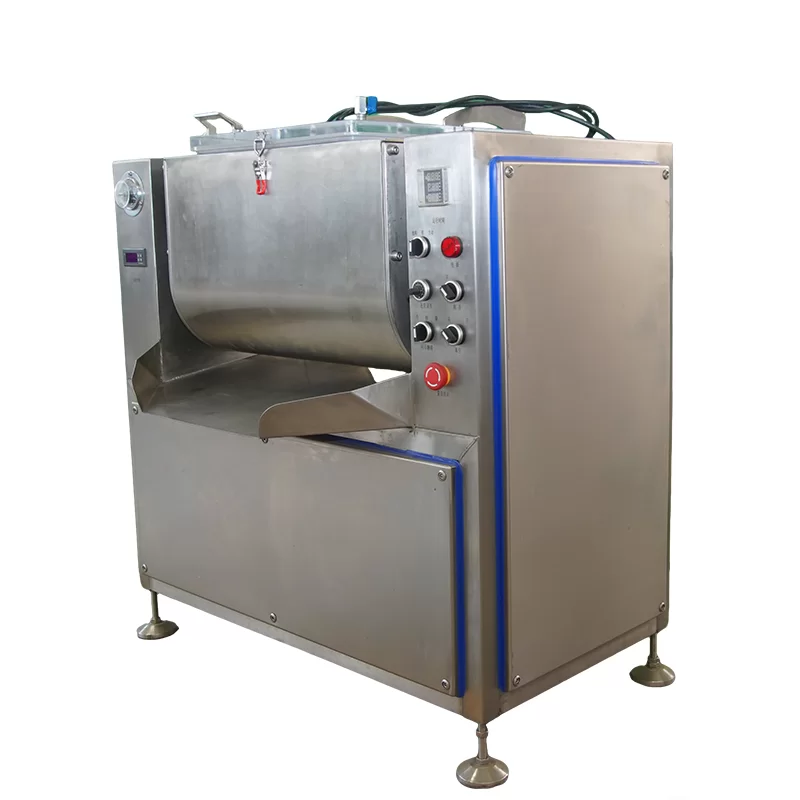
Large-scale producers are utilizing a combined system of sausage filling machine and automated tying tools to scale their daily output from hundreds to thousands of units.

04. Export-Oriented Meat Plants

Factories aiming for the Middle Eastern market use the electric frozen meat cutter to maintain strict temperature controls and precise dimensions required for international shipping.

05. Specialized Deli and Cold Cut Boutiques

Premium food boutiques are adopting knotting machines for artisanal sausages, blending traditional recipes with modern efficiency to ensure product consistency.

Brand Story

Global Development Journey of Hebei Kemaise Machinery Equipment Co., Ltd.

Foundational Engineering

Started with a mission to solve the inefficiency of manual meat processing, focusing on high-torque motor designs for frozen materials.

Technological Breakthrough

Developed the proprietary blade geometry that allows for clean cuts through frozen proteins without causing cellular rupture.

Global Market Expansion

Extended operations into Southeast Asia and Africa, adapting machine specifications to suit diverse electrical grids and climatic conditions.

Quality Standardization

Achieved international certifications for food-grade materials, ensuring all equipment exceeds global sanitary requirements.

Future-Ready Innovation

Currently investing in IoT integration to allow remote monitoring and predictive maintenance for our global client base.

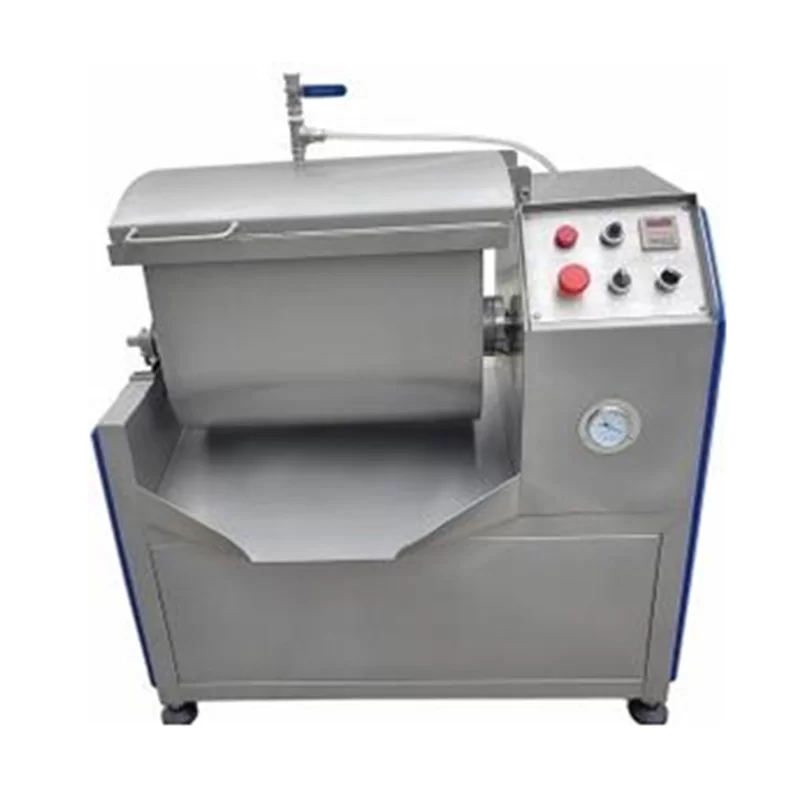
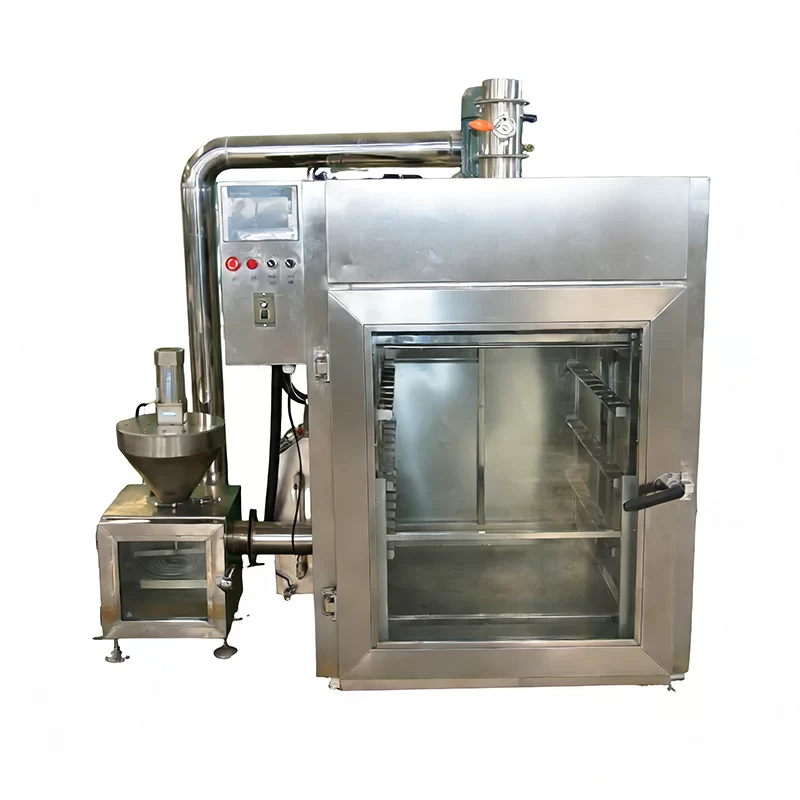
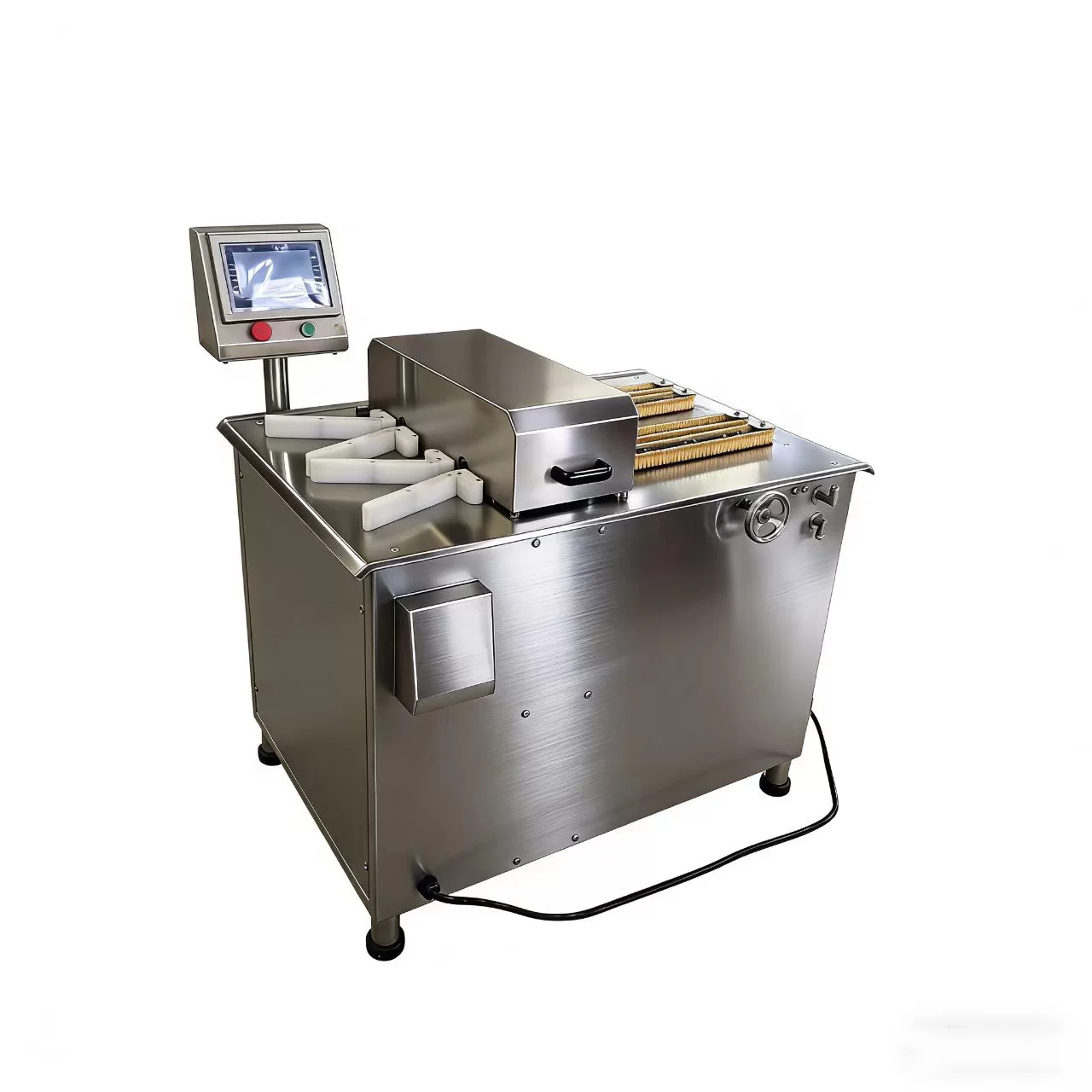
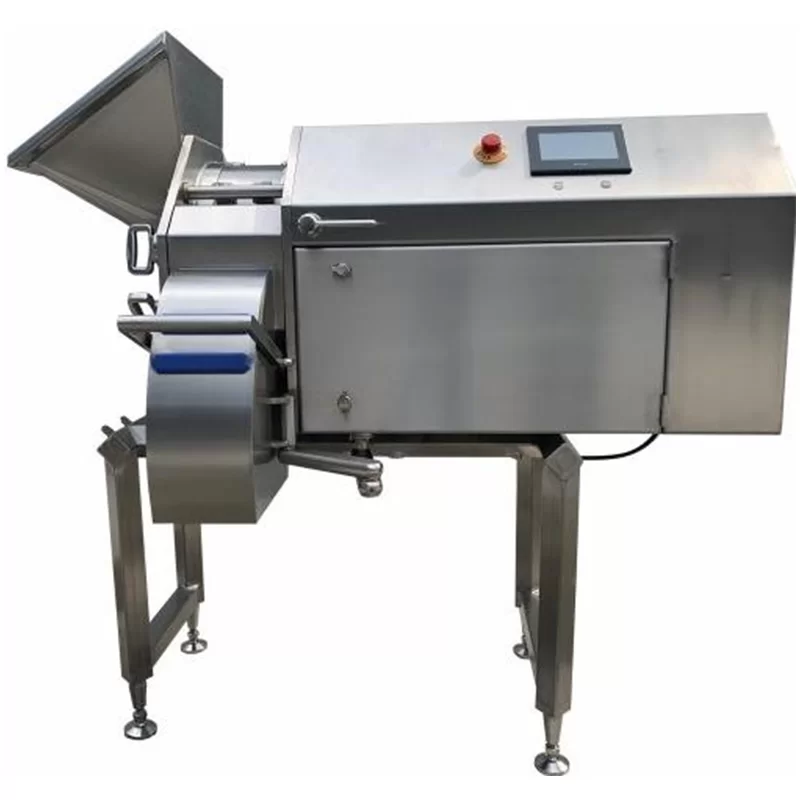
Comprehensive Meat Processing Portfolio for Bangladesh

A full suite of equipment designed to handle everything from raw frozen blocks to packaged sausages.

Common Questions for Bangladesh Meat Processors

Expert answers to the most pressing technical concerns in the local industry.

How does a frozen chicken cutting machine handle different bird sizes?

Our machines feature adjustable feeding guides and programmable blade depths, allowing operators to switch between different poultry sizes quickly without needing to replace the entire assembly.

Can an electric frozen meat cutter work in high-humidity environments?

Yes, our units are built with IP-rated electrical enclosures and corrosion-resistant stainless steel to withstand the humid conditions typical of Bangladesh's coastal and urban regions.

What is the maintenance cycle for a meat slicer frozen beef in industrial use?

We recommend daily sanitization and weekly blade sharpening. The high-grade steel used in our slicers ensures a longer edge-life compared to standard commercial cutters.

How do knotting machines improve the shelf life of sausages?

By providing a perfectly consistent and airtight tie, these machines prevent air pockets and contamination, which is critical for frozen storage in the Bangladeshi market.

What is the capacity increase when moving to an industrial sausage filling machine?

On average, producers see a 400% to 600% increase in output per hour compared to manual filling, while significantly reducing meat emulsion waste.

Are these machines compatible with local Bangladesh power voltage?

All our equipment can be customized for the specific voltage and frequency requirements of the Bangladeshi grid, including options for voltage stabilizers to protect the motors.

Upgrade Your Production Capacity Today

Our technical experts are ready to help you implement the most efficient meat processing lines in Bangladesh.

Contact Us Now

If you are interested in our products, you can choose to leave your information here, and we will be in touch with you shortly.