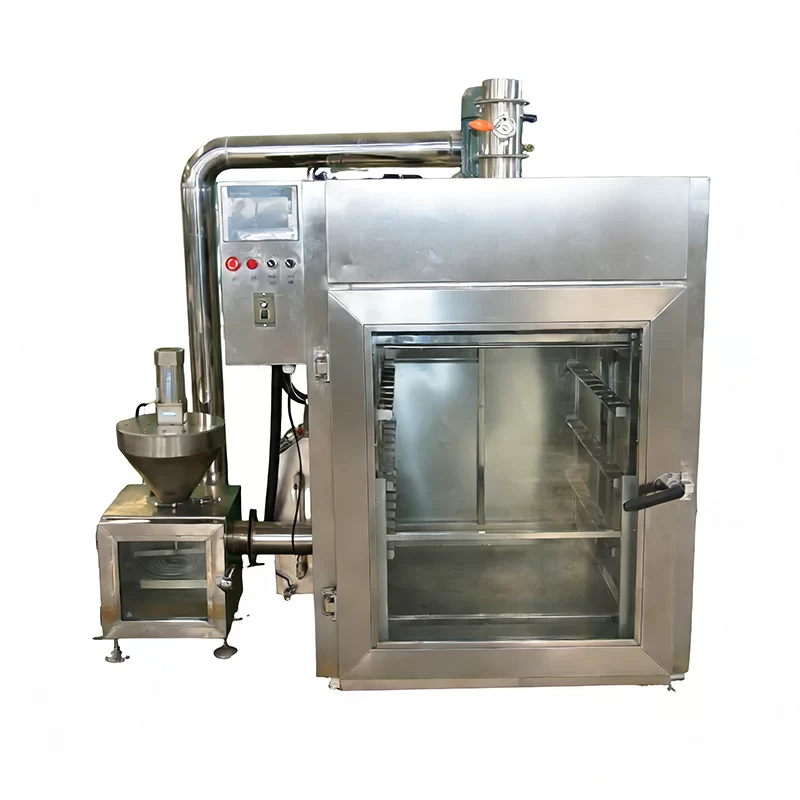
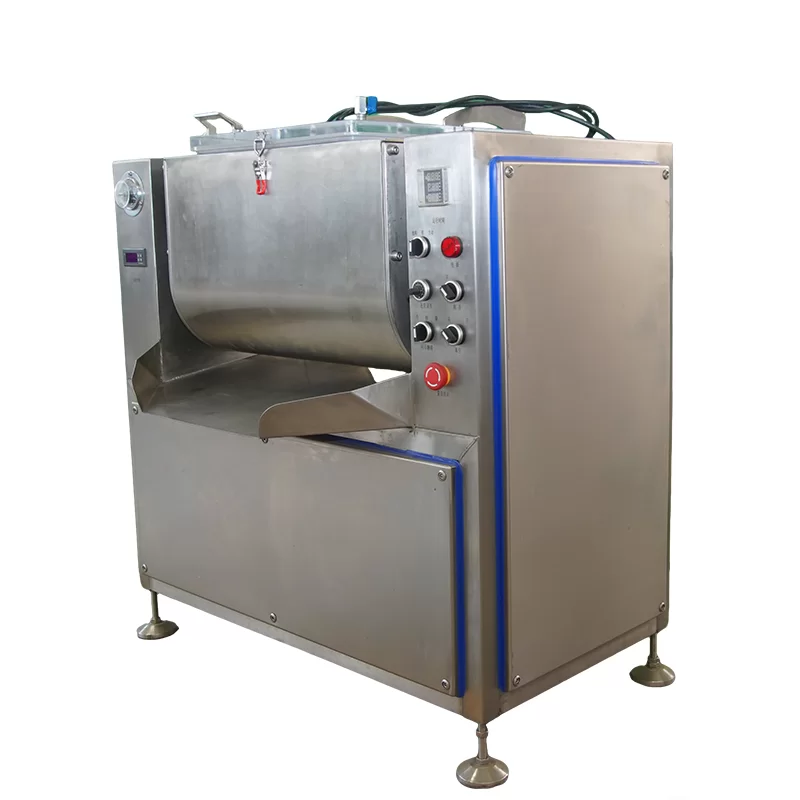
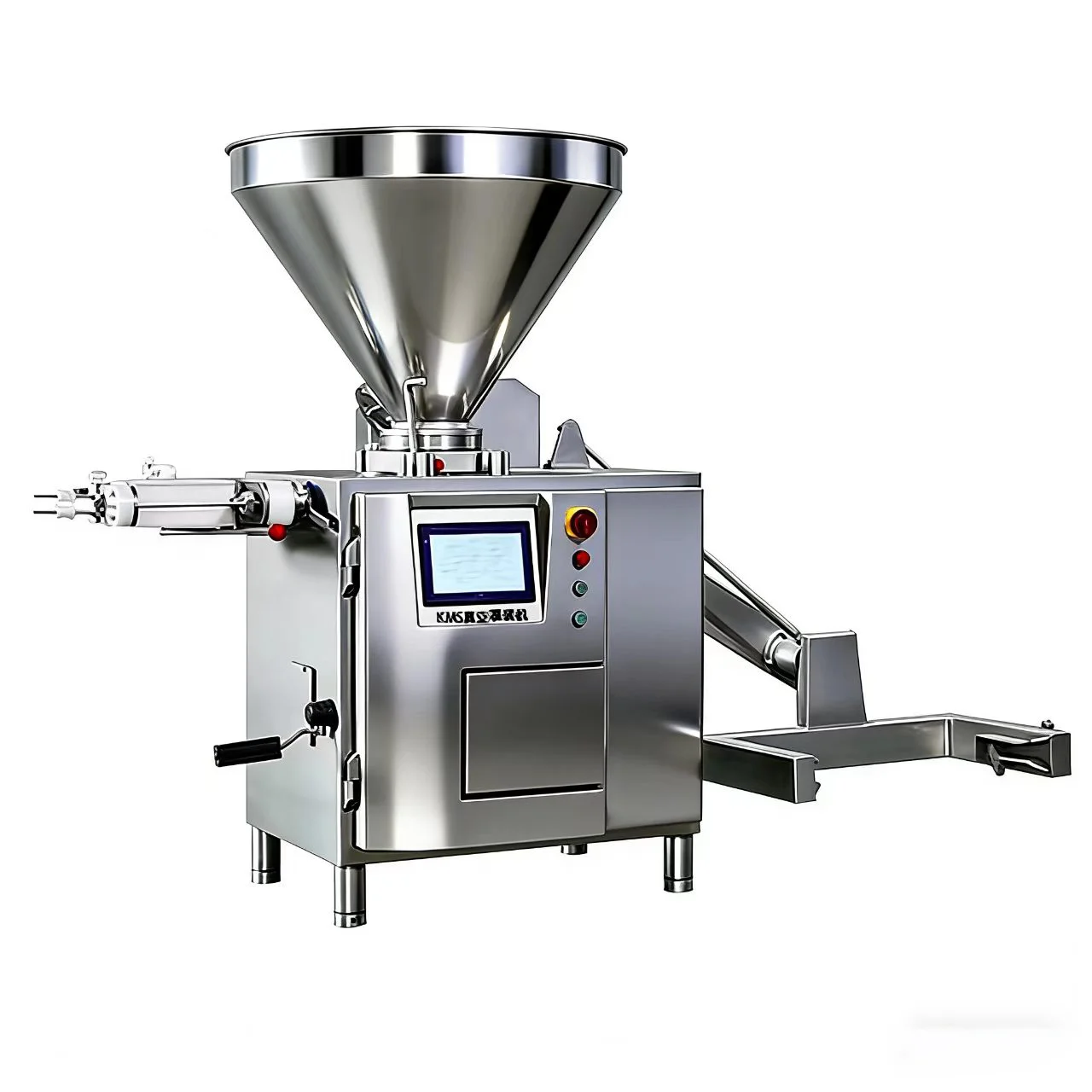
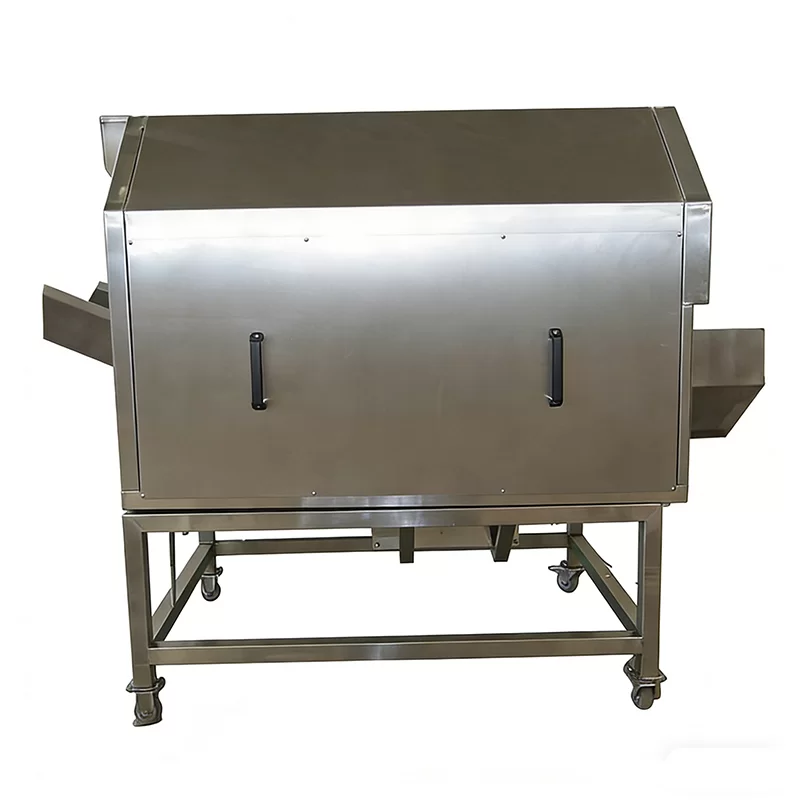
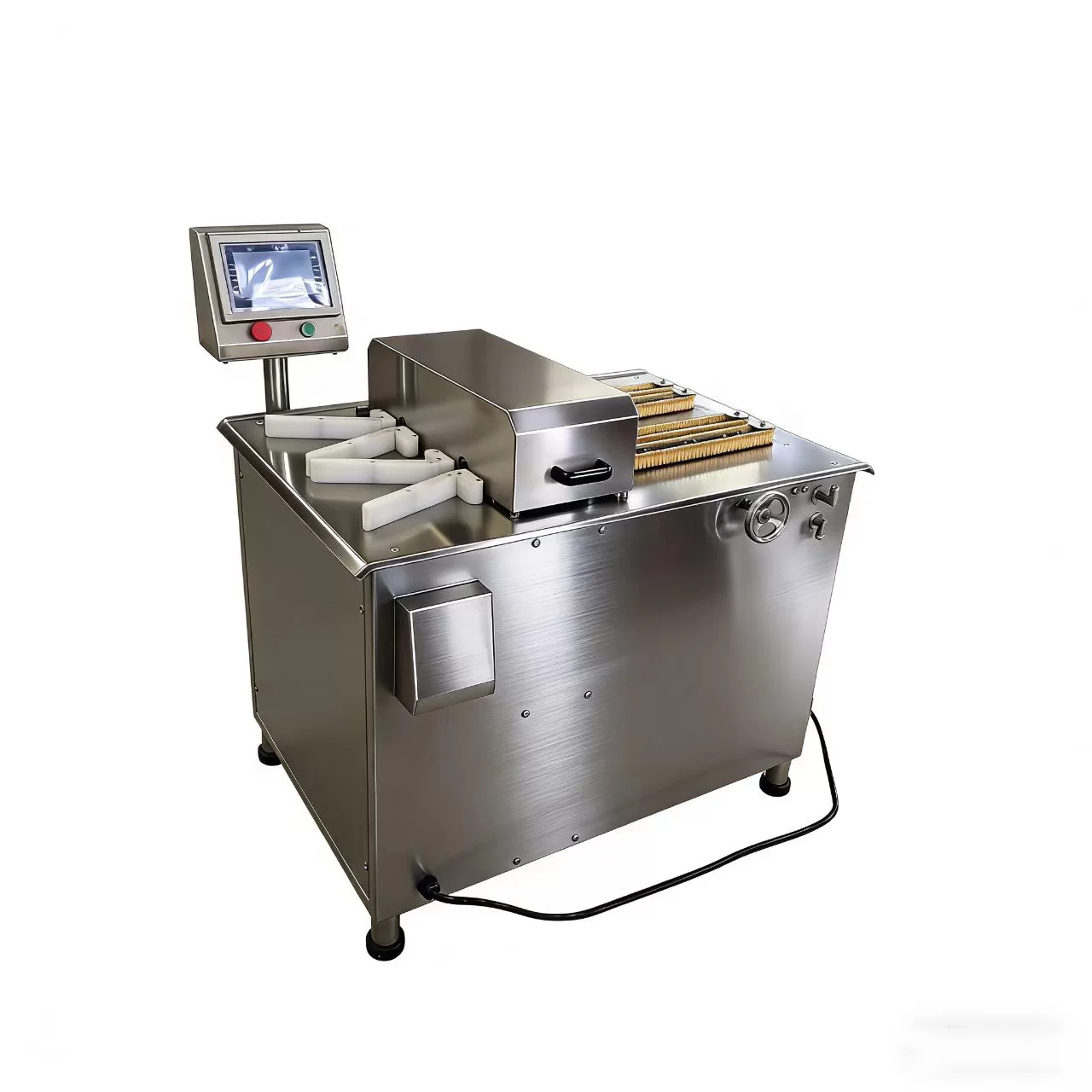
Advanced Meat Processing Solutions electric frozen meat cutter for Indonesia
  • Home
  • Global Service
  • Advanced Meat Processing Solutions electric frozen meat cutter for Indonesia

Advanced Meat Processing Solutions: electric frozen meat cutter for Indonesia

Empowering Indonesian food manufacturers with high-precision cutting and filling technology to maximize yield and ensure Halal compliance.

Industrial Meat Processing Landscape in Indonesia

Analyzing the intersection of tropical logistics and automated meat processing.

In Indonesia, the meat processing industry faces unique challenges due to the humid tropical climate and the critical necessity of maintaining a strict cold chain. The demand for a reliable frozen chicken cutting machine has surged as local producers shift from traditional wet markets to standardized, frozen distribution centers to prevent spoilage.

Economic growth in urban centers like Jakarta and Surabaya has increased the consumption of processed meats. This shift requires precision tools like the meat slicer frozen beef to provide consistent portion control for the growing HORECA (Hotel, Restaurant, and Cafe) sector, reducing manual labor costs and waste.

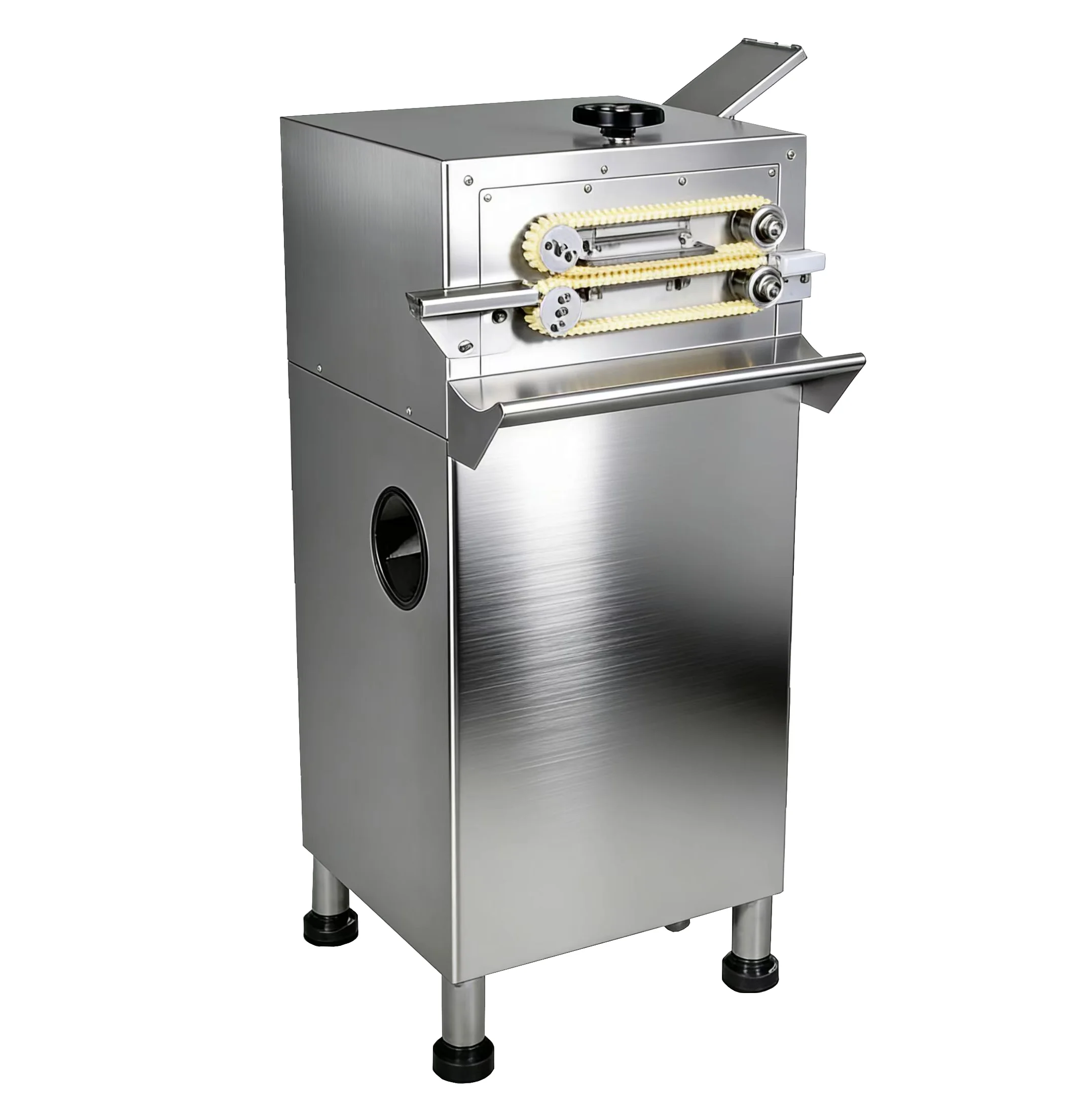
Furthermore, the stringent Halal certification requirements in Indonesia necessitate machinery that prevents cross-contamination. Modern knotting machines and fillers are now being adopted to ensure hygiene standards are met while maintaining the high throughput required for the domestic market.
Evolution of Meat Processing Technology

From manual craftsmanship to automated industrial precision.

Market Development History

Prior to 2010, most Indonesian meat processing relied on manual cutting and basic stuffing methods. The initial transition began with the introduction of basic semi-automatic tools, which improved speed but lacked the precision needed for large-scale frozen exports.

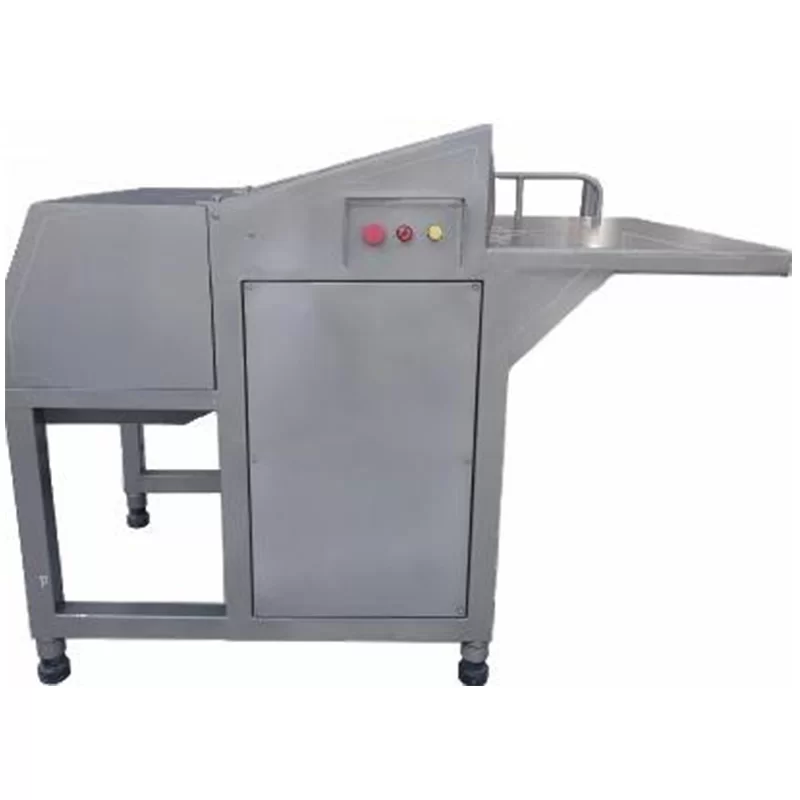
Between 2015 and 2020, the industry witnessed a "Mechanization Wave." The adoption of the electric frozen meat cutter replaced dangerous manual sawing, significantly increasing workplace safety and reducing the defrosting time required before slicing.

From 2021 to the present, the focus has shifted toward "Intelligent Integration." Manufacturers are now implementing synchronized lines where a sausage filling machine works in tandem with automated packaging, ensuring a seamless flow from raw material to finished product.

Future Development Trends

IoT-Enabled Precision

The next 3-5 years will see the integration of sensors in cutting machinery to adjust blade speed based on the density of the frozen meat, minimizing product loss.

Energy-Efficient Cold-Cutting

Development is moving toward high-torque, low-energy motors for knotting machines to reduce operational overhead in energy-expensive regions.

Modular Automation

Google search trends indicate a rising interest in "modular food plants," leading to the creation of plug-and-play processing units that can be scaled as the business grows.

Strategic Industry Outlook and Future Projections

Anticipating the technological shift in Southeast Asian meat processing.

Automation Integration
Shifting from standalone units to fully synchronized processing lines for higher volume.
Cold Chain Optimization
Developing machinery that operates at lower temperatures to minimize meat tempering.
Sustainable Materials
Use of medical-grade stainless steel to reduce chemical cleaning agents in plants.
Customized Portioning
Software-driven slicing to meet specific retail weights for the Indonesian market.

Industry Outlook

The trajectory for Indonesia's food machinery sector is steeply upward. As the government encourages local food security and processed meat production, we expect a 15% CAGR in the demand for high-end processing equipment over the next five years.

Furthermore, the convergence of E-commerce and frozen food delivery services is forcing producers to adopt faster, more reliable technology to meet "on-demand" delivery windows without compromising quality.

Local Application Scenarios in Indonesia

Practical deployments of meat processing machinery across diverse business models.

01. Frozen Poultry Distribution Centers

Utilizing the frozen chicken cutting machine to process bulk imports into retail-ready portions without thawing, maintaining the cold chain integrity essential for the Jakarta market.

02. Halal Sausage Manufacturing Plants

Implementing high-capacity sausage filling machine units that ensure precise weight distribution and hygienic filling, meeting MUI Halal certification standards.

03. Premium Beef Steakhouse Suppliers

Using the meat slicer frozen beef to produce consistent 200g-300g frozen patties and steaks for luxury hotels in Bali and Jakarta.

04. Industrial Meat Processing Facilities

Deploying the electric frozen meat cutter for primary breakdown of frozen carcasses, reducing labor risks and increasing hourly throughput by 40%.

05. Casing and Packaging Lines

Integrating automated knotting machines to secure meat casings rapidly, reducing manual tying errors and improving the aesthetic appeal of retail sausages.

Brand Story

Global Development History of Hebei Hamkms Machinery Equipment Co., Ltd.

Foundation and Vision

Established with a mission to solve the inefficiency of manual meat processing, we focused on precision engineering for the global food industry.

Technological Breakthrough

Developed the first generation of high-torque frozen cutters, solving the common problem of blade breakage in extremely low temperatures.

Global Market Expansion

Expanded our footprint into Southeast Asia, tailoring our machinery to meet the specific humidity and voltage requirements of the Indonesian market.

Quality Certification

Achieved international CE and ISO certifications, ensuring that our equipment meets the highest global safety and hygiene standards.

Sustainable Future

Now leading the industry toward "Green Processing" by developing energy-efficient motors and recyclable machine components.

Comprehensive Product Portfolio for the Indonesian Market

A complete suite of machinery designed to optimize meat processing from freezing to packaging.

Frequently Asked Questions for Indonesian Meat Processors

Expert answers to the most common technical and operational queries.

How does an electric frozen meat cutter handle different meat densities?

Our cutters utilize adjustable speed controls and high-carbon steel blades that penetrate various densities without tearing the meat fibers, ensuring clean cuts for both beef and pork.

Can the frozen chicken cutting machine be integrated into a Halal production line?

Yes, our machines are built with food-grade stainless steel and designed for easy disassembly, allowing for thorough cleaning and sterilization to meet strict Halal requirements.

What is the maintenance cycle for a commercial sausage filling machine in humid climates?

Due to Indonesia's humidity, we recommend a monthly lubrication check and daily sanitization of the hopper and nozzles to prevent oxidation and bacterial growth.

How to optimize the thickness settings on a meat slicer frozen beef?

Our slicers feature precision micrometric dials. We suggest calibrating the blade against the frozen temperature of the beef (-18°C) to achieve the exact desired millimeter thickness.

Do industrial knotting machines reduce the failure rate of casings?

Absolutely. Automated knotting provides uniform tension, which eliminates the "bursting" common with manual tying, especially in high-pressure filling environments.

What power requirements are needed for electric meat processing equipment in Indonesia?

Our machines are customizable for 220V/380V 50Hz standards. We provide voltage stabilizers to ensure consistent performance despite local grid fluctuations.

Ready to Upgrade Your Production Line?

Contact our engineering team today for a customized meat processing solution tailored for the Indonesia market.

Contact Us Now

If you are interested in our products, you can choose to leave your information here, and we will be in touch with you shortly.