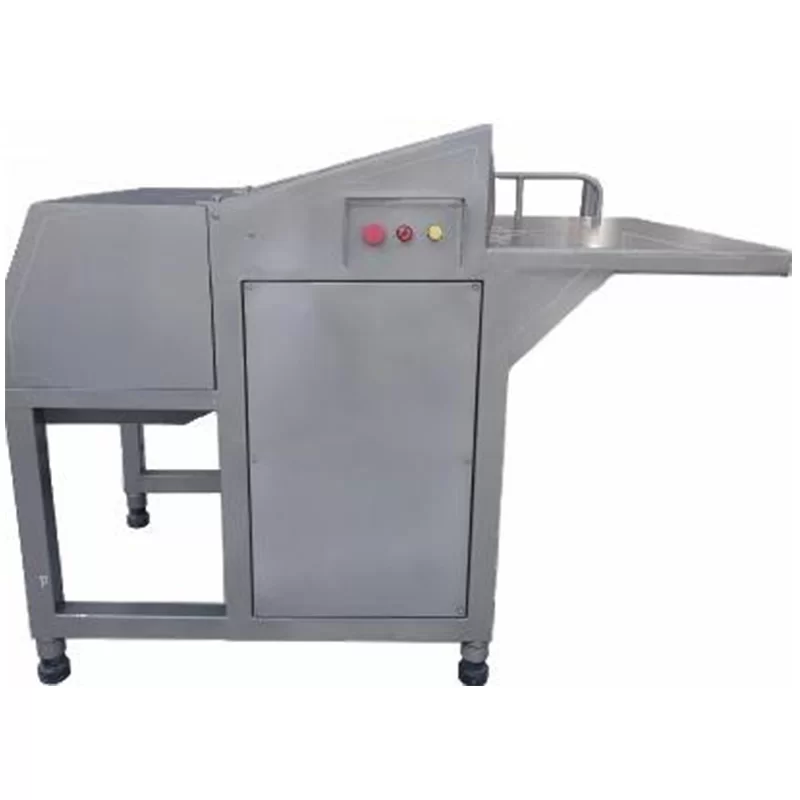
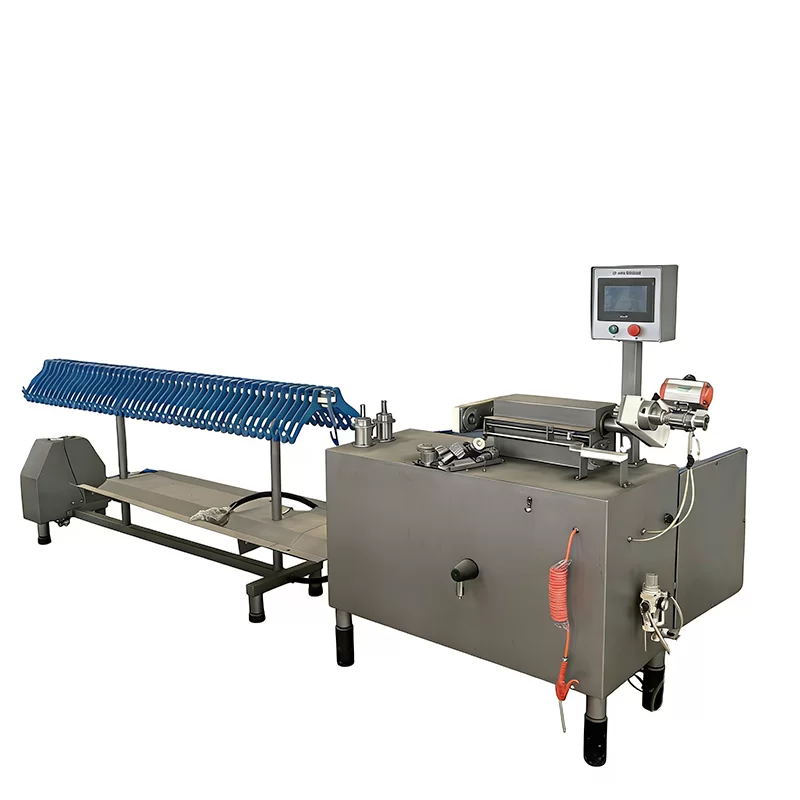
Industrial Meat Processing Solutions for Uganda Advanced electric frozen meat cutter
  • Home
  • Global Service
  • Industrial Meat Processing Solutions for Uganda Advanced electric frozen meat cutter

Industrial Meat Processing Solutions for Uganda: Advanced electric frozen meat cutter

Empowering Uganda's food manufacturing sector with precision engineering to enhance yield, ensure hygiene, and scale production of processed meats.

Industrial Meat Processing Solutions for Uganda: Advanced electric frozen meat cutter

We provide high-performance machinery designed to withstand the rigorous demands of the Ugandan meat industry, focusing on automation and precision cutting.

Current State of Meat Processing in Uganda

Analyzing the transition from artisanal butchery to industrialization

Uganda's meat processing landscape is currently characterized by a significant shift towards value-addition. In hubs like Kampala and Entebbe, there is an increasing demand for standardized cuts of beef and poultry, driving the need for a professional meat slicer frozen beef to meet the requirements of hotels and supermarket chains.

Despite the growth, many local producers struggle with the challenges of the tropical climate, where cold chain maintenance is critical. The reliance on manual labor for processing frozen blocks of meat often leads to inconsistent quality and high waste rates, highlighting the urgent need for a robust frozen chicken cutting machine to optimize throughput.

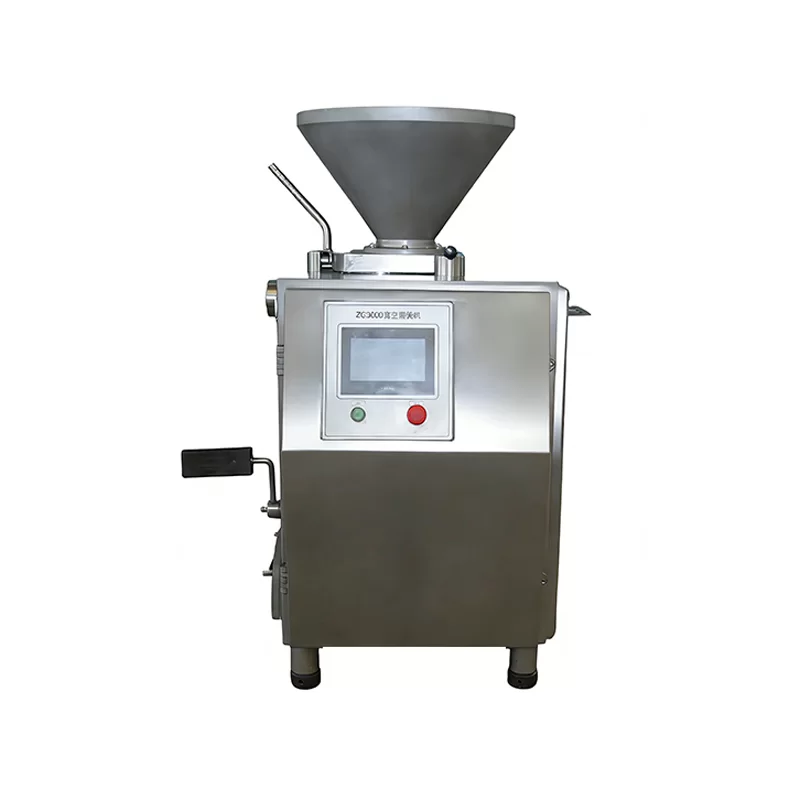
Furthermore, the emerging sausage and deli market in East Africa is creating a surge in demand for specialized equipment. Local entrepreneurs are moving away from hand-stuffing towards the use of a sausage filling machine to ensure uniform weight and professional presentation for the growing urban middle class.
Evolution and Technical Trajectory of Ugandan Food Machinery

From manual tools to automated precision systems

Market Development History

Prior to 2010, the Ugandan meat sector relied almost exclusively on traditional butchery methods. Processing was labor-intensive, and "frozen" meat was often thawed completely before cutting, leading to significant drip loss and reduced shelf life.

Between 2010 and 2020, the introduction of semi-automatic equipment began to transform the industry. Small-scale factories started adopting basic electric cutters, although these lacked the power to handle deep-frozen proteins, creating a gap that modern electric frozen meat cutter technology now fills.

Since 2021, there has been a rapid adoption of full-line automation. The integration of knotting machines in the sausage production line has allowed local plants to increase their packaging speed by 400%, moving from artisanal batches to mass-market distribution.

Future Development Trends

Smart Temperature-Adaptive Cutting

Future machinery will likely integrate sensors that adjust blade speed based on the core temperature of the frozen meat to minimize cellular damage.

Energy-Efficient Motor Integration

Due to fluctuating power grids in some regions of Uganda, the trend is moving toward high-torque, low-energy consumption motors that can handle peak loads without tripping breakers.

Modular Hygiene Design

There is a growing shift toward "tool-less" disassembly for cleaning, ensuring that equipment meets stringent international HACCP standards for export to the EU and Middle East.

Industry Outlook and Future Forecast (2024-2029)

Strategic technological shifts in the East African meat processing sector

Automated Portion Control
Integration of AI-driven weight sensors to ensure every cut of frozen beef or chicken is identical, reducing raw material waste.
Cold-Chain Integration
Development of machines that function at ultra-low temperatures without lubricant freezing, optimizing the frozen meat workflow.
Rapid-Cycle Packaging
Scaling the use of high-speed tying and knotting systems to match the increased output of automated filling machines.
Sustainability focus
Using stainless steel alloys that reduce chemical cleaning requirements, aligning with global green manufacturing trends.

Industry Outlook

Google search trends for "meat processing automation" in East Africa indicate a 25% year-on-year increase. This suggests that Ugandan firms are no longer looking for simple tools but are seeking integrated production lines that can handle the entire process from frozen block cutting to final packaging.

Over the next five years, we expect the Ugandan market to shift toward specialized "modular" factories. These plants will utilize high-efficiency machinery to produce export-grade processed meats, leveraging the country's livestock abundance to enter the broader African Continental Free Trade Area (AfCFTA).

Localized Application Scenarios in Uganda

How our machinery solves real-world production challenges in Uganda

01. Urban Supermarket Supply Chain

Retailers in Kampala require consistent, thin slices of frozen beef for their deli counters. By implementing a meat slicer frozen beef, suppliers can produce uniform portions without thawing, preventing bacterial growth and maintaining product weight.

02. Industrial Poultry Processing Plants

For large-scale poultry farms in Central Uganda, processing frozen chicken imports or local stock requires speed. A frozen chicken cutting machine allows them to portion breasts and thighs rapidly, reducing labor costs by 60%.

03. Localized Sausage Manufacturing

Small and medium enterprises (SMEs) producing traditional sausages can scale their business using a sausage filling machine, ensuring each link is filled perfectly to avoid air pockets and spoilage.

04. Frozen Meat Distribution Hubs

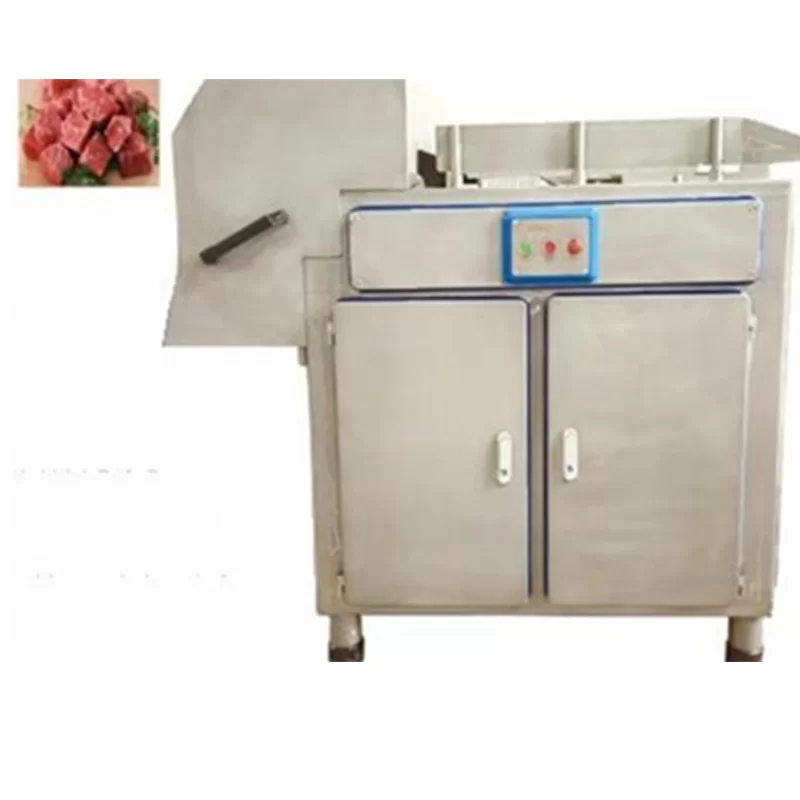
Wholesalers dealing in bulk frozen beef blocks use an electric frozen meat cutter to divide large carcasses into manageable retail portions while the meat is still at -18°C, ensuring maximum freshness.

05. High-Volume Meat Packaging Lines

To move from manual twine tying to industrial standards, factories integrate knotting machines, allowing them to secure thousands of sausages per hour with consistent tension and professional knots.

Brand Story

Global Development History of Hebei Hamkms Machinery Equipment Co., Ltd.

Foundational Engineering

Established with a vision to solve the inefficiencies in meat processing, we began by designing high-durability cutting blades that could handle the toughest frozen proteins.

Technological Breakthroughs

We pioneered the integration of precision motor control in frozen meat cutters, allowing for micron-level thickness adjustment for the global deli market.

Global Market Expansion

Expanding our footprint into Africa, we adapted our designs to handle varying power grids and extreme ambient temperatures, ensuring reliability in Uganda and beyond.

Commitment to Food Safety

We transitioned all our production lines to 304-grade stainless steel, focusing on hygiene-first engineering to help our clients achieve international certification.

The Future of Processing

Today, we continue to innovate, merging traditional mechanical strength with smart automation to empower food producers across the globe.

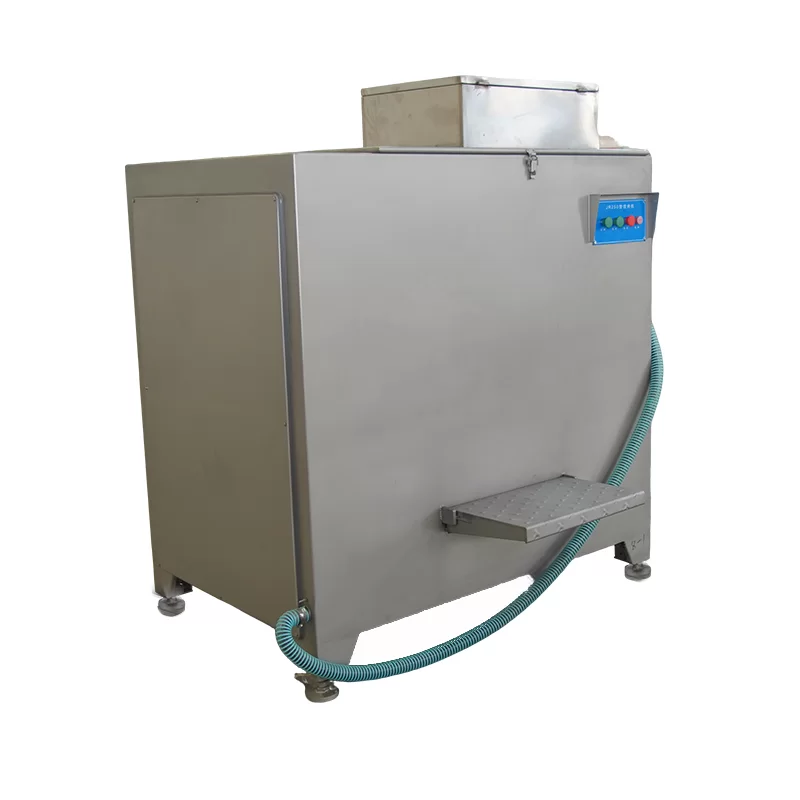
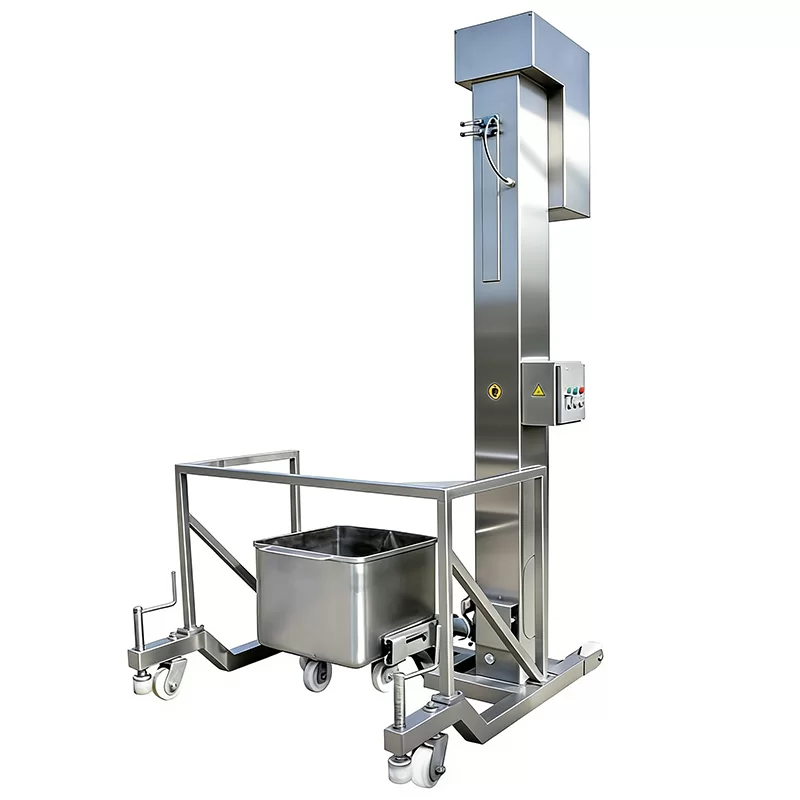
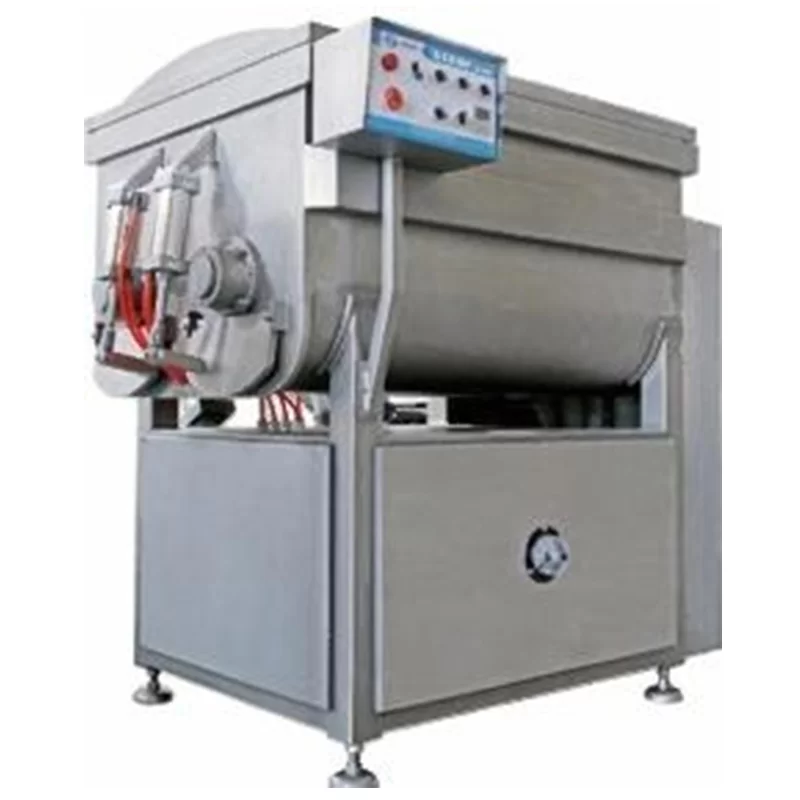
Complete Meat Processing Equipment Portfolio for Uganda

From primary cutting to final packaging: a seamless solution for your factory.

Common Questions Regarding Meat Machinery in Uganda

Expert answers to technical and operational queries

How does an electric frozen meat cutter handle very hard frozen beef blocks?

Our cutters use high-torque motors and specially hardened alloy blades that slice through frozen blocks without requiring a thaw cycle, preserving the integrity of the meat fibers.

What is the capacity of a commercial sausage filling machine for a small business?

Our SME-range filling machines can process from 50kg to 500kg per hour, depending on the model, making them ideal for growing Ugandan deli businesses.

Can a frozen chicken cutting machine be used for other types of frozen poultry?

Yes, the equipment is versatile and can be used for frozen turkey or duck, provided the size of the bird fits the feeding tray and blade specifications.

How do I maintain a meat slicer frozen beef in a humid environment like Uganda?

We recommend daily cleaning with food-grade sanitizers and applying a thin layer of food-safe lubricant to the sliding rails to prevent corrosion caused by humidity.

Are knotting machines compatible with different types of sausage casings?

Yes, our knotting machines are designed to work with both natural and collagen casings, with adjustable tension settings to prevent casing breakage.

Do these machines support the voltage standards used in Uganda?

Yes, all our machinery is customizable to the 240V/50Hz standard used in Uganda, and we recommend using a voltage stabilizer for industrial areas.

Ready to Automate Your Meat Production?

Our technical experts are ready to help you select the perfect machinery for your facility in Uganda.

Contact Us Now

If you are interested in our products, you can choose to leave your information here, and we will be in touch with you shortly.